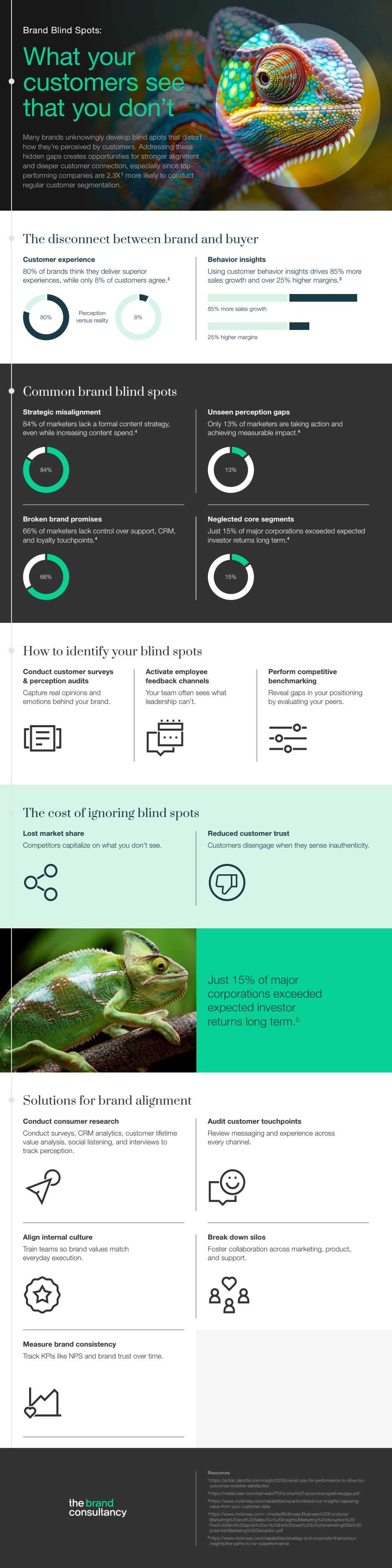
A company’s brand influences far more than marketing performance. It affects customer trust, retention, referrals, and long-term business value. While leadership teams often focus on financial metrics and growth targets, customers evaluate the business through every interaction they have with it. Small inconsistencies that seem insignificant internally can shape buying decisions and influence how the market perceives the company.
Customers Experience the Brand Differently
Employees interact with products, services, and internal processes every day. That familiarity can make it difficult to recognize obstacles that first-time customers encounter. Confusing website navigation, inconsistent messaging, outdated product information, or slow response times all contribute to the customer experience. Even if each issue seems minor on its own, repeated frustrations can gradually reduce confidence in the business. Reviewing the customer journey from initial research through post-purchase support often reveals opportunities to simplify communication and improve consistency.
Trust Is Built Through Consistency
Customers expect businesses to deliver the same level of quality across every touchpoint. Marketing materials, customer service, invoices, online reviews, and social media all contribute to the overall impression.
Mixed messages create uncertainty. A polished advertising campaign paired with delayed customer support or inconsistent pricing may weaken credibility, even if the product itself performs well. Documented brand standards and regular internal reviews help employees communicate consistently while reinforcing customer expectations.
Feedback Often Reveals Hidden Issues
Customer reviews, surveys, and support requests provide valuable insight into how a business is actually performing. Internal assumptions do not always match customer experiences.
Repeated comments about confusing policies, lengthy response times, or inconsistent communication deserve careful attention. Positive feedback is equally valuable because it identifies the qualities customers appreciate most and expect to receive consistently. Analyzing customer feedback alongside operational data helps leadership teams identify trends before they begin affecting customer loyalty or future revenue.
Strong Brands Support Long-Term Value
For investors, a company’s reputation represents more than public perception. A trusted brand can contribute to customer retention, pricing strength, and predictable revenue growth over time.
Businesses that regularly evaluate customer experiences often identify operational improvements that extend beyond marketing. Better communication, stronger service, and consistent delivery can improve customer satisfaction while reducing costly misunderstandings.
Many organizations also evaluate branding ROI by comparing customer acquisition costs, retention rates, repeat business, and referral activity alongside broader financial performance. Measuring these indicators provides a clearer picture of how brand investments support long-term business objectives.
Regular Brand Reviews Create Better Decisions
Branding is not a project completed once and forgotten. Customer expectations, communication channels, and market conditions continue to change, making regular evaluation essential.
Leadership teams benefit from periodically reviewing websites, customer communications, onboarding processes, and support interactions through the perspective of a first-time customer. Inviting feedback from employees across different departments can also uncover issues that leadership may not see during daily operations.
Businesses that recognize branding blind spots early are often better positioned to strengthen customer trust, improve operational consistency, and support sustainable growth. Those improvements benefit customers first, while also creating the stability and credibility that investors value when evaluating long-term performance. For more information, look over the accompanying resource below.