A public relations crisis can affect far more than a company’s reputation. Negative publicity may influence customer confidence, employee morale, business partnerships, and investor sentiment within a short period. Whether the issue involves a product recall, cybersecurity incident, executive controversy, or operational disruption, leadership teams are often judged as much by their response as by the event itself.
Respond Quickly With Verified Information
The first hours of a crisis often shape public perception. While speed is important, accuracy should remain the priority. Releasing incomplete or incorrect information can create confusion that becomes difficult to correct later.
Organizations should gather confirmed facts, identify what is still being investigated, and communicate only verified information. If every answer is not yet available, acknowledging that an investigation is underway is generally more effective than making assumptions. Providing regular updates also demonstrates that leadership is actively managing the situation rather than avoiding public attention.
Maintain Consistent Communication
Conflicting messages from different departments can weaken confidence during a crisis. Customers, investors, employees, and business partners should receive information that reflects the same facts and overall message.
Establishing a designated spokesperson helps create consistency across interviews, press statements, social media, and customer communications. Internal teams should also receive timely updates so employees understand how to answer questions from clients and stakeholders. Clear communication reduces speculation and reinforces organizational credibility.
Monitor Public Sentiment
A crisis evolves quickly, making it important to understand how customers, investors, journalists, and industry observers are responding. Many organizations use media monitoring and analysis to track news coverage, social media discussions, and public sentiment as events develop.
These insights help communication teams identify misinformation, recognize emerging concerns, and adjust messaging when appropriate. Monitoring public conversations also allows leadership to identify recurring questions that deserve direct responses before misunderstandings spread further.
Demonstrate Accountability Through Action
Words alone rarely restore confidence after a significant issue. Stakeholders want to see meaningful actions that address the underlying problem. If operational changes, additional employee training, policy updates, or independent reviews are necessary, organizations should communicate those efforts clearly.
Demonstrating measurable progress helps reinforce that leadership is focused on preventing similar issues in the future. Accountability does not require assigning blame before investigations are complete. Instead, it reflects a commitment to addressing concerns responsibly and transparently.
Prepare Before a Crisis Occurs
The strongest crisis responses are usually built long before an incident takes place. Businesses benefit from maintaining a documented crisis communication plan that outlines decision-making responsibilities, approval processes, key contacts, and communication channels.
Regular training exercises allow leadership teams to practice responding to realistic scenarios while identifying weaknesses in existing procedures. Reviewing plans periodically also helps organizations keep contact information, response protocols, and communication strategies current. Preparation improves confidence and allows teams to respond with greater coordination when unexpected situations arise.
Protecting Reputation Supports Long-Term Performance
Every organization faces risks that could attract public attention. While preventing every crisis is unrealistic, responding with honesty, consistency, and decisive action can significantly reduce long-term damage.
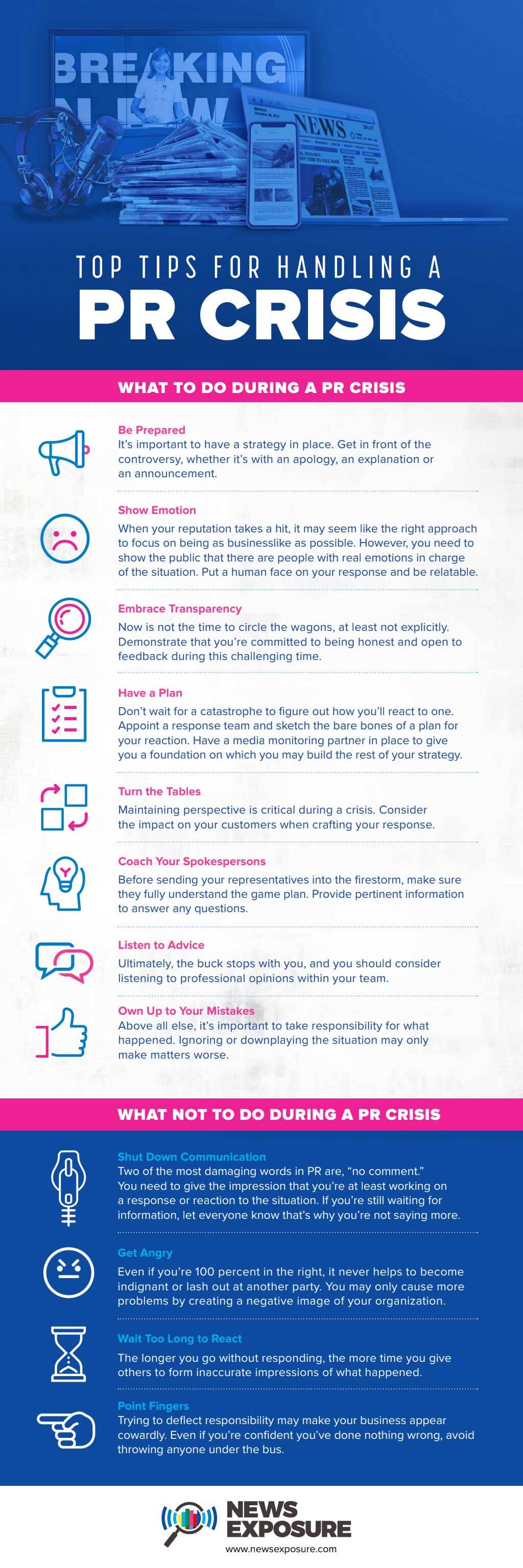
For investors, an effective crisis response demonstrates the strength of a company’s leadership, governance, and operational discipline. Organizations that communicate openly, act responsibly, and learn from challenging situations are often better positioned to rebuild trust, strengthen stakeholder relationships, and support sustainable long-term performance. Look over the infographic below to learn more.