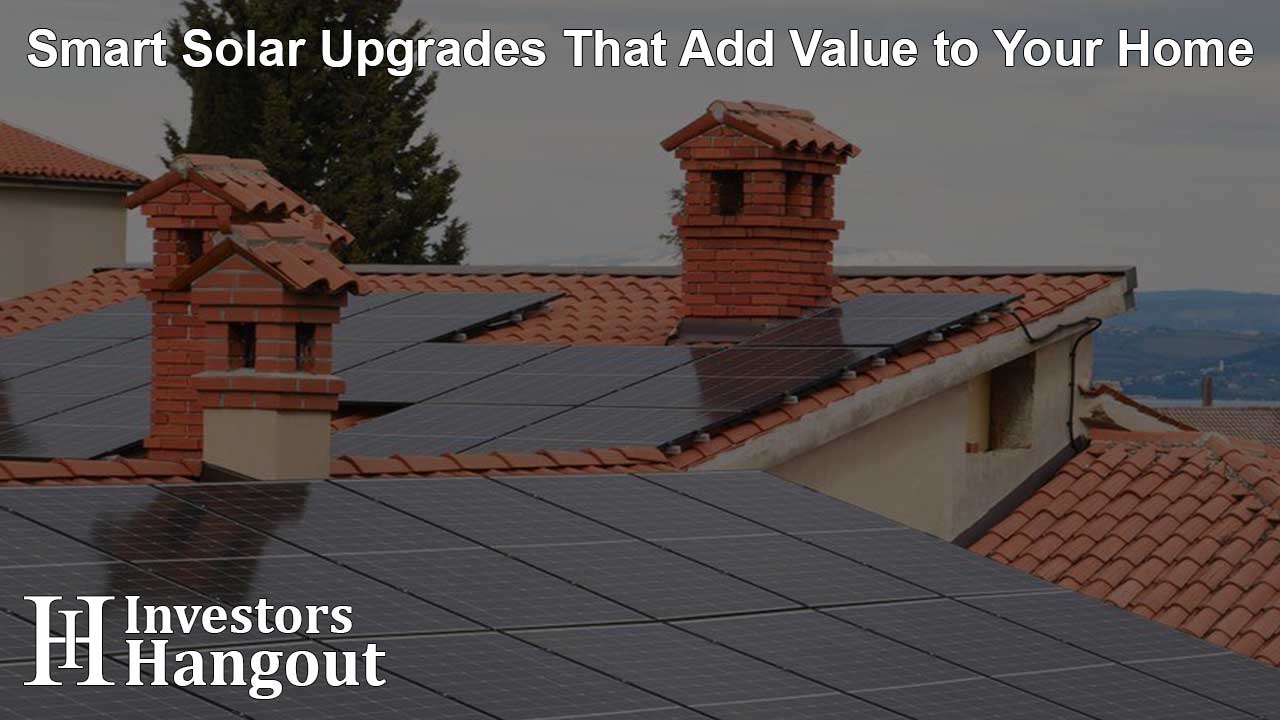
When people think about what makes a home appealing, they often picture fresh paint, updated kitchens, or a tidy front yard. Those things certainly help, but buyers are usually paying attention to practical details too. They want a home that feels comfortable, affordable to maintain, and ready for the future. That's where features that improve efficiency can quietly make a big difference.
Solar can change how people look at a home, but not always for the reasons you might think. Buyers usually aren't showing up with calculators and lab coats. They're thinking about monthly bills, maintenance, and whether a house feels like a smart move. If your home has solar or you're thinking about adding it before a future sale, it helps to know what actually catches attention. The good news is that the factors are pretty practical, and most come down to simple everyday value.
Why buyers notice solar
When buyers scan listings, they tend to notice features that promise comfort and savings without adding more chores. Solar fits that idea nicely. It suggests that a home may cost less to run, which is a big deal when people already feel stretched by taxes, insurance, and utility bills.
As you compare options or prepare a property for market, working with a solar panel company can matter because buyers often ask who installed the system and whether the work looks professional. Clean placement, clear documentation, and a system that matches the home can make solar feel like an upgrade instead of a mystery box on the roof.
Buyers also tend to connect solar with a well-planned home. Even people who don’t know much about energy systems may see it as a sign that the owner invested in long-term improvements. That first impression can help your property feel more current and competitive.
Bills matter to buyers
Most buyers don’t need a lecture on power generation. They just want to know whether the house will be easier on their wallet. That’s where solar can quietly do a lot of heavy lifting. If a system has helped lower electric bills over time, that becomes a practical selling point people understand right away.
Buyers can also benefit from knowing that AI solar monitoring software is being used to track system performance, identify potential issues, and provide clearer insight into how effectively the panels are generating energy.
Think about a family comparing two similar homes. One has standard utility costs. The other has a record of reduced summer cooling bills because solar helps offset energy use. Even if the mortgage is similar, the second home may feel more manageable each month. That emotional math matters.
Predictable costs can be just as appealing as lower costs. Buyers like knowing they may be less exposed to sudden spikes in energy prices. It gives the home a steadier feel. In real estate, steady is underrated. It’s not flashy, but it can be the difference between “nice house” and “this one makes sense for us.”
Curb appeal counts too
Solar isn’t only about numbers. It also changes how a home looks, and appearance can influence buyer reactions fast. A tidy, well-placed system often feels modern and intentional. A messy one can make buyers wonder what else wasn’t thought through. Roofs have enough drama already, so you don’t want yours auditioning for extra attention.
If panels sit neatly and the roof is in good shape, solar can blend into the home’s design better than many owners expect. Buyers may not call it beautiful, but they often appreciate anything that looks cared for and functional. That’s a win.
It also helps if the rest of the exterior supports the same message. Clean gutters, trimmed landscaping, and a maintained roof make solar feel like part of an overall smart home package. If the home looks neglected, buyers may assume the system was neglected too. First impressions can be unfair, but they still cash checks.
Questions buyers will ask
Once buyers move past the first impression, they usually start asking practical questions. How old is the system? Is it owned or leased? Are warranties transferable? Has the roof been repaired since installation? These aren’t trick questions, but weak answers can create hesitation.
You’ll make things easier if you gather paperwork before listing. Keep installation records, warranty details, recent utility bills, and any maintenance information in one place. Buyers don’t need a giant binder that looks like it belongs in a courtroom. They just need proof that the setup is understandable and well managed.
Ownership status matters a lot. Owned systems are often easier for buyers to accept than leased ones because there are fewer contract questions. If the system is leased, be ready to explain the terms simply. A buyer who feels confused may assume the deal is risky, even if it isn’t.
When solar adds value
Solar can support resale value, but it doesn’t work like magic fairy dust sprinkled across every roof. The biggest gains usually show up when the system is in good condition, energy prices are high, and buyers in your area already care about monthly efficiency.
Location plays a big role. In sunny places with expensive electricity, buyers may see solar as a serious advantage rather than a nice extra. In markets where energy costs are lower, the value may be more modest. That doesn’t mean solar has no benefit. It just means the selling point may lean more on reduced bills and modern appeal than a major price bump.
System quality matters too. A newer, well-documented setup generally creates more confidence than an older system with missing records. Think of it like any home upgrade. A renovated kitchen helps most when it’s functional, clean, and not weirdly done in bright purple granite. Solar follows the same common-sense rule.
Smart prep before listing
If you plan to sell a solar-equipped home, a little prep can go a long way. Start by organizing the basics. Have utility statements ready, know the age of the system, and understand whether it’s owned, financed, or leased. If there’s monitoring data, keep a simple summary handy.
It’s also smart to inspect the roof and the visible condition of the installation before listing. You don’t need to make the panels sparkle like a superhero signal, but obvious maintenance issues should be addressed. Buyers notice loose ends, especially on anything attached to the roof.
Finally, practice explaining the setup in plain language. Skip the jargon and focus on what a buyer really wants to know: how it works for daily life, what it may save, and what responsibilities come with it. If you can explain solar without sounding like a robot reading from a toaster manual, you’ll help buyers feel more comfortable and more likely to see the value in your home.