For anyone watching capital efficiency, the appeal of print on demand (POD) is simple. You can test a consumer product business without buying a single unit of stock. A design is uploaded, a customer pays, and a supplier prints and ships the item. Nothing is produced until revenue is already in hand.
That structure changes the risk profile of a small business, but it doesn’t remove risk. This guide covers what a zero-inventory launch costs, where the risk moves, and what profit is realistic.
What Is Print-on-Demand?
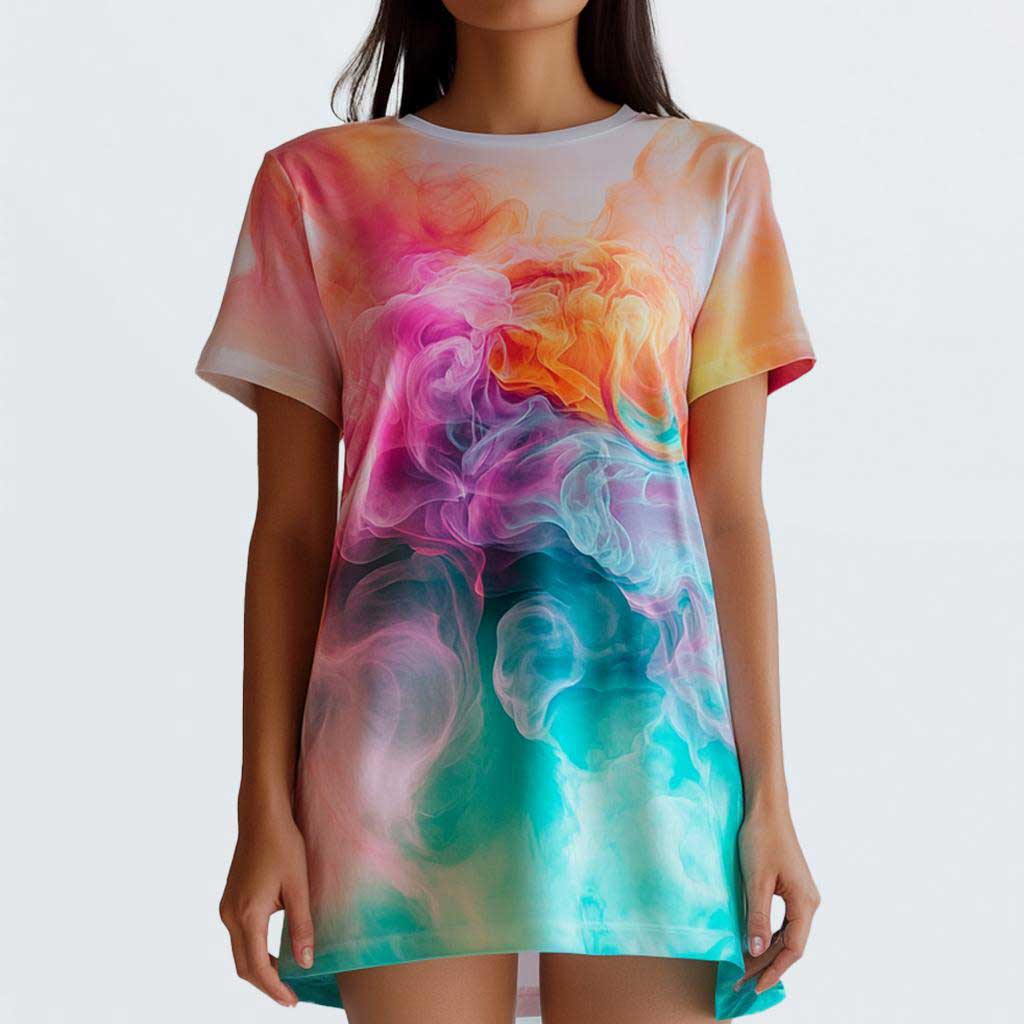
Print-on-demand (POD) is a business model where products such as custom sweatshirts, hoodies, mugs, and posters are printed only after a customer places an order. Instead of investing in inventory upfront, sellers partner with a third-party provider that handles printing, packaging, and shipping.
This makes it easier for beginners to launch an online business with minimal startup costs. If you're considering starting a print-on-demand business in 2027, understanding the initial expenses, potential risks, and profit margins can help you choose the right products, fulfillment partner, and sales platform before getting started.
Businesses Where You Pay After the Customer Does
The best low-capital models invert the usual cash cycle. Print on demand is the clearest example: platforms like Printify charge you when an order comes in, not before, so your outlay is a store plan and your own time. Printful works on the same principle, fulfilling each order after the customer has paid and billing you for production and shipping.

You are buying a lower margin in exchange for eliminating inventory risk. That is a good trade when you are unproven, because every design you test costs you nothing if it doesn’t sell. It is a bad trade once you know exactly what sells and how much of it. At that point, bulk production usually wins: a design that reliably sells hundreds of units a month can carry a much lower unit cost when produced in volume. Many sellers keep POD for experiments and slower-moving designs, and move proven winners to bulk orders.
What It Really Costs to Start
Inventory is $0, but a launch is not free. Plan for these costs:
-
Platform plans. Both Printify and Printful offer free ways to start, with paid tiers that typically add product discounts. You can also compare Printify vs Zazzle in terms of pricing, products, fulfillment, integrations, and earning models to find the right print-on-demand platform for your business.
-
Storefront fees. Selling through Shopify, Etsy, or a similar channel adds subscription or listing fees, plus payment processing on each sale.
-
Samples. Ordering one of each product lets you check print quality, sizing, and delivery time before customers do. It is the cost new sellers most often skip, and it is the one that most protects your brand.
-
Design. You can create artwork yourself, hire freelancers, or use licensed assets. Whichever you choose, confirm you have the rights to commercial use.
-
Marketing. POD stores come with no traffic. Paid ads, creator partnerships, or content all cost money or time, and this is usually the largest line item once you are live.
A realistic opening budget is a few hundred dollars, mostly samples, a storefront plan, and early marketing tests. That is a fraction of what an inventory-based launch typically needs, and the downside if the idea fails is capped accordingly.
Where the risk goes
Without stock to write off, the risks shift elsewhere.
Margin compression. Base costs per item are higher than bulk, so underpricing is the most common reason POD stores earn little despite steady sales.
Quality you don’t control. You never handle the product before it ships. Print defects, color shifts, or a change in production partner can reach customers under your name, so read each platform’s reprint and refund policy closely.
Slower delivery. Made-to-order items usually arrive later than in-stock goods. Where your print provider sits relative to your buyers affects both shipping cost and customer satisfaction.
Intellectual property. Designs that use trademarks, brand names, or celebrity likenesses can lead to removed listings or closed accounts. Original work, or work you have clear rights to, is the safe route.
Competition and dependence. Low barriers mean crowded niches. Relying on one marketplace or one supplier also exposes you to their policy and pricing changes.

Profit Potential: An Illustrative Example
The numbers below are an example. Substitute your own costs.
-
Selling price of a custom t-shirt: $27.00
-
Base cost plus shipping: $15.00
-
Marketplace and payment fees: about $2.50
-
Gross profit before marketing: about $9.50 (roughly 35%)
If it costs $4 in advertising to win each sale, profit falls to about $5.50 per shirt. At 100 orders a month, that is a modest side income, not yet a full business. Unit economics, not sales volume alone, determine whether the model works.
Four levers move the result:
-
Higher-value products. Personalized items, wall art, and home goods often carry better margins than plain apparel.
-
Niche focus. A specific audience will pay more and costs less to reach than a general market.
-
Higher order value. Bundles and upsells spread fixed costs over more revenue.
-
Repeat buyers. Email lists and collections lower the cost of each later sale.
Printify vs. Printful
Both let you launch with no inventory and charge after the order arrives. Broadly, Printify is a marketplace of many print providers, which gives you price choice and often lower base costs, with more variation in quality and shipping. Printful runs its own production network, which tends to offer more consistent quality and branding options at a higher cost per item. The practical test is to order samples from both for your first product and compare.
A Practical Launch Plan
-
Choose a specific niche, not a broad category.
-
Pick two or three products you can sample and judge properly.
-
Order samples and check quality, sizing, and delivery time.
-
Price from your real costs, leaving room for marketing.
-
Launch a small collection and test with limited ad or content spend.
-
Review monthly. Keep winners, drop losers, and watch for designs strong enough to justify bulk production.
The Bottom Line
Print on demand is one of the cheapest ways to test a product idea, because you pay the supplier only after the customer pays you. The price of that safety is thinner margins and less control over quality and shipping. Use it to find what sells at minimal risk, then decide whether flexibility is still worth the premium or whether your best products belong in bulk production.