Key Highlights
-
RPL, or recognition of prior learning, lets experienced workers turn trade skills into a formal qualification.
-
Panel beaters and auto electricians can use the RPL process instead of repeating classroom study.
-
A Certificate III can be possible if your work matches the qualification requirements.
-
Good evidence matters, including job cards, references, and repair examples.
-
This pathway suits automotive trades workers with solid hands-on experience in body repair technology.
Introduction
If you already work in panel beating or auto electrical work, RPL can help you turn real trade skills into formal recognition. Instead of starting from scratch, the RPL process looks at your work experience and what you already do on the job. For people in automotive body repair technology, that can mean a faster path to a qualification that supports career growth.
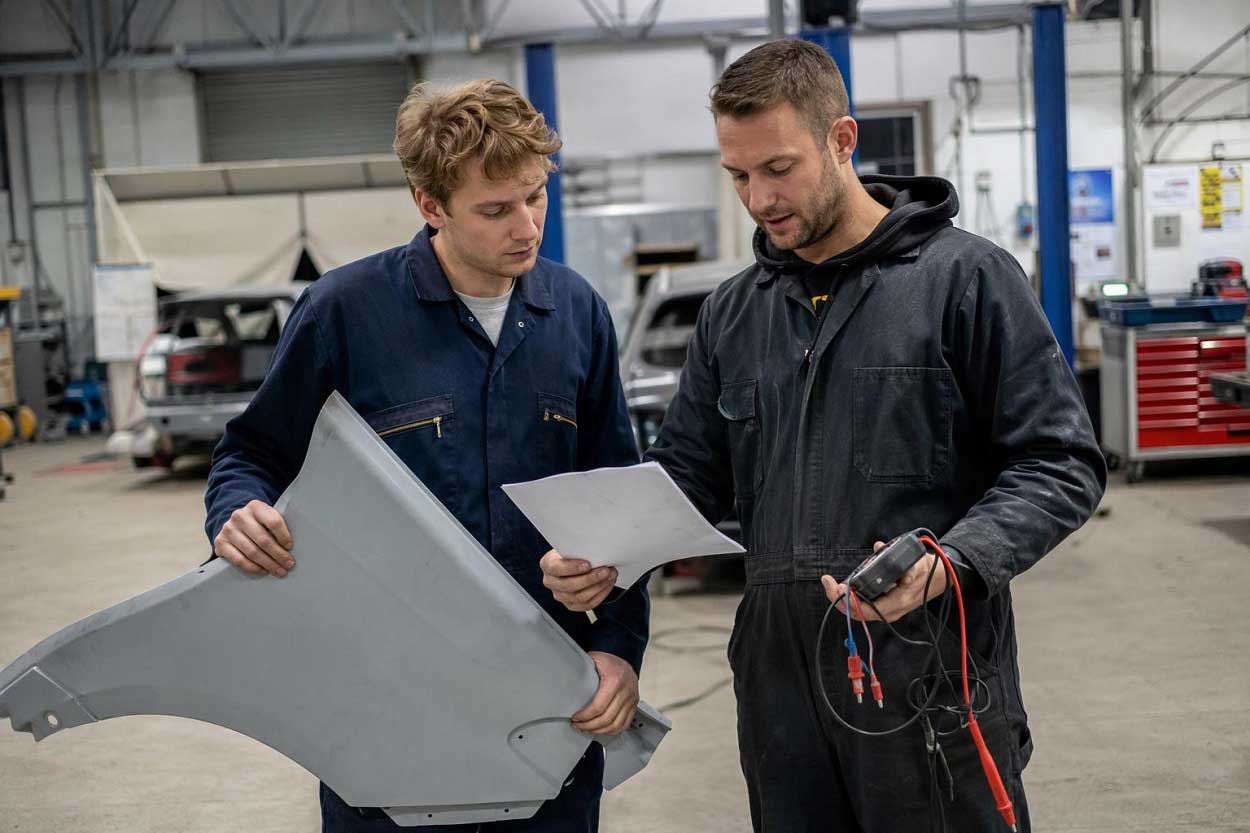
Understanding RPL for Panel Beaters and Auto Electricians
RPL is a formal assessment method used across the automotive industry. It checks whether your existing skills and work history meet the standard of a qualification.
Yes, experienced auto electricians may be able to gain a Certificate III or another suitable outcome without formal study, if their prior learning clearly matches the required units. The next sections explain how that works.
How RPL Works in the Australian Automotive Industry
The RPL pathway matches your work experience to nationally recognised competency units. If you’ve spent years in automotive body repair, electrical fault finding, or similar tasks, that experience may count towards a qualification.
A qualified assessor from a registered training organisation reviews evidence like your work history, photos, job records, and references.
If your evidence shows the required skill level, you can earn formal recognition without repeating training you’ve already completed on the job. RPL is often ideal for experienced tradespeople.
Why Trade Professionals Are Choosing RPL Over Traditional Study
Many skilled workers do not want to sit through classroom study that covers work they already know. RPL focuses on practical assessment, not just theory, which makes it a more realistic formal pathway for experienced tradespeople.
It is often chosen because it can help you:
-
save time and money
-
avoid repeating previous training
-
keep working with no time off work
-
gain a formal qualification for career progression
If there are gaps, gap training may be suggested. For example, a panel beater with strong structural repairs experience but limited paperwork may need extra evidence or small areas of additional training.
RPL Eligibility Criteria for Automotive Trades
Eligibility depends on whether your skills and work history clearly relate to the qualification requirements. RPL is designed for skilled workers, not beginners.
For automotive trades, the main test is simple: can you show that your prior learning matches the units in the qualification? That leads directly to experience and applicant type, which are covered below.
Minimum Experience and Skills Required for RPL Assessment
There’s no fixed rule on years of experience, but you must show enough relevant work for a skills assessment. Your panel beating or automotive electrical technology experience should directly match the qualification.
Assessors typically look for:
-
hands-on panel beating or body repair
-
experience with electrical systems and diagnostics
-
steady work history in the trade
-
proof of practical skills on real jobs
For example, years spent repairing body panels in shops or working with vehicle electrical systems can support your RPL assessment—if backed by solid evidence.
Who Can Apply for RPL as a Panel Beater or Auto Electrician?
RPL is ideal for those already working in the field, such as experienced panel beaters, auto electricians, supervisors, business owners, and anyone who learned through hands-on trade work instead of formal classes.
It also benefits migrants with overseas training or work experience. If your background meets qualification standards, your experience may be recognised in Australia.
The main requirement is proven competence. If you can provide clear evidence of your skills and experience, RPL may offer formal recognition through an approved assessment process.
Evidence and Documentation Needed for a Successful RPL Application
Evidence is the core of a successful application. You need to show evidence of your skills, not just say you have them.
That usually means a mix of repair evidence, supervisor references, and work history documents. The stronger and more relevant your portfolio is, the easier it is for an assessor to match your experience to the qualification.
Accepted Evidence Types for Panel Beaters
For panel beaters, acceptable evidence must show actual automotive body repairs from start to finish. Good evidence demonstrates your repair process, the tasks you performed, and your work quality.
Useful evidence includes:
-
job cards for completed repairs
-
before-and-after photos of vehicle panels
-
supervisor references
-
résumé or work history
-
licenses, certificates, or training records
A strong example is a set of job cards showing panel replacement and structural repairs, supported by before-and-after photos. This gives assessors a clear picture of your daily skills.
Sample Documents for Auto Electricians Applying Through RPL
An auto electrician should submit documents that show real work on electrical systems, not just general workshop duties. Your file should connect each piece of evidence to the unit of competency being assessed.
Below is a simple text table showing useful examples:
|
Document type |
What it shows |
|
Résumé or work history |
Length of time in the trade and main duties |
|
Supervisor reference |
Independent confirmation of your skills |
|
Photos or videos |
Practical work on electrical systems |
|
Previous training records |
Any short courses, tickets, or prior learning |
|
Job records or reports |
Real examples of diagnostic or repair tasks |
If you have mixed experience, include that too. Work across light vehicle, heavy vehicle, or related electrical technology tasks can help build a broader portfolio.
Step-by-Step Guide: The RPL Certification Process
The RPL process begins with a skills check, followed by evidence collection and formal assessment. Assessors compare your portfolio to qualification requirements.
Timeframes vary, depending on how quickly evidence is provided and assessed, but outcomes are often faster than traditional study. Here’s how the process typically works.
Skills Check and Self-Assessment
Start with a free skills review or a quick 60-second skills check. This matches your experience to the right qualification before a full assessment.
In this stage, you’ll review:
-
Your main trade tasks
-
Time spent in the field
-
Previous training
-
How your experience fits the required units
This self-check saves time by identifying gaps early. For example, an auto electrician skilled in diagnostics but lacking documentation can prepare better for RPL certification.
Gathering and Submitting Your Portfolio for RPL
Once your pathway is set, build your portfolio by gathering repair evidence, job cards, supervisor references, licenses, and proof of past training.
Organise these by task—such as body repair, panel replacement, and electrical systems—to help the assessor review quickly.
After submission, the partner training organisation reviews your file. If your evidence meets their standards, you may earn an RPL certificate or qualification without repeating previous learning.
Conclusion
In conclusion, recognition of prior learning (RPL) streamlines certification for panel beaters and auto electricians by recognising your existing skills and experience. RPL lets you qualify without traditional study, making it ideal for busy professionals. Understand the eligibility, gather documents, and follow the process to achieve your qualification confidently. Ready to advance your career? Book a free consultation—our experts will guide you through RPL and help secure your certification easily.
Frequently Asked Questions
Can I get my AUR32126 Certificate III through RPL as a panel beater?
Yes, a Certificate III may be available through recognition of prior learning if your panel beating and automotive body repair experience matches the required units. The final result depends on formal qualification assessment by a registered training organisation.
How long does the RPL assessment process usually take?
The RPL assessment timeframe depends on how quickly you provide evidence and how fast the formal assessment is completed. For skilled workers, it is often much faster than traditional study, especially when qualification requirements are clearly met.
Are there specific RPL courses for automotive body repair and auto electrical trades?
RPL is not a standard classroom course. It is an assessment process through a registered training organisation that reviews your automotive body repair technology or electrical technology experience and may award formal recognition if your evidence meets the required standard.