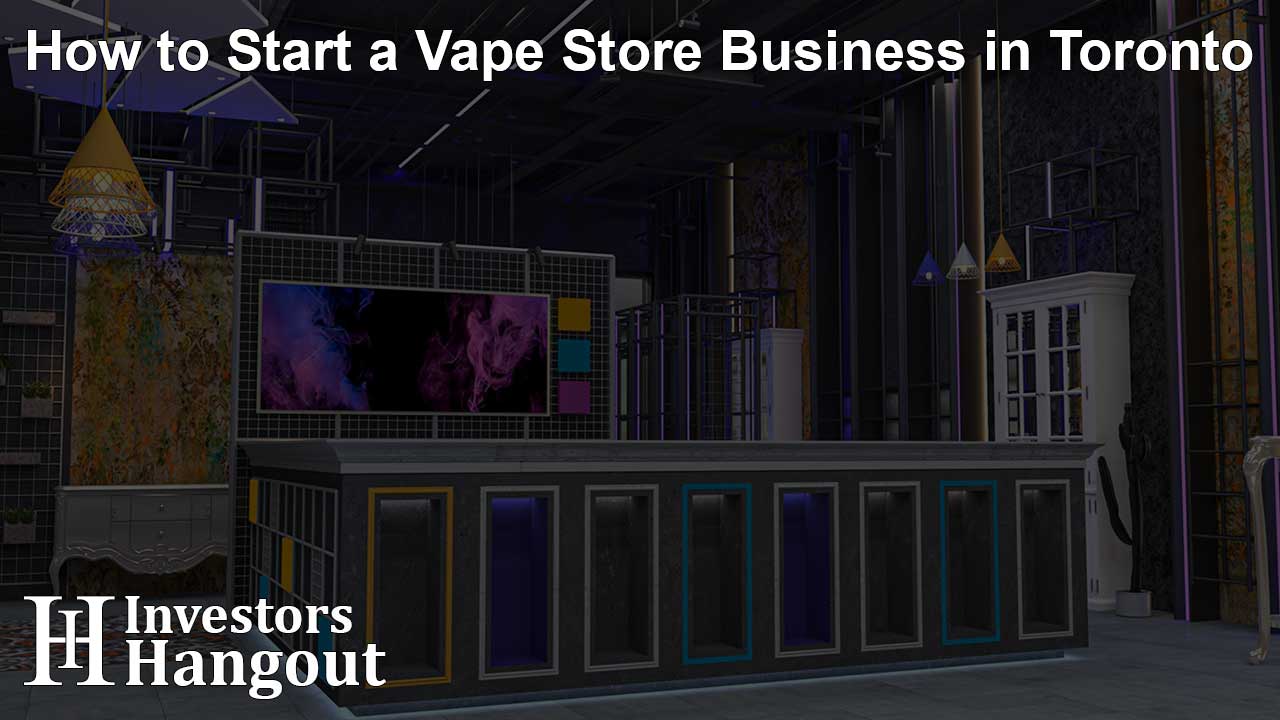
Starting a vape store in Toronto requires navigating a complex regulatory environment while making strategic decisions about location, inventory, and store design. Success depends on understanding and complying with municipal licensing requirements, provincial health regulations, and creating a retail space that attracts customers while adhering to strict display rules. This guide outlines the essential steps and considerations for launching a compliant and competitive vape retail business in Toronto.
1. Obtaining the Required Municipal Licence
The City of Toronto mandates that all vapour product retailers obtain a specific business licence before commencing operations. This requirement applies to both standalone specialty vape stores and existing businesses such as convenience stores that wish to add vapour products to their offerings, with the latter needing to secure an endorsement to their current licence. The application process involves submitting several documents, including photo identification and a Criminal Record and Judicial Matters Check for all officers or directors of a corporation.
The total fee for a new vapour product retailer licence in Toronto is approximately $772.87, comprising a non-refundable application fee of $238.07 and a licence fee of $534.80 payable upon approval. The city reserves the right to deny a licence to individuals with certain criminal convictions within specified timeframes, including offences against persons or property. The licence must be renewed annually, and any change of business address must be reported to the Municipal Licensing and Standards Division within 48 hours.
2. Registering as a Specialty Vape Store
Beyond the municipal licence, a Toronto vape store must register as a "Specialty Vape Store" with the local Board of Health under the Smoke-Free Ontario Act, 2017. To qualify for this designation, at least 85% of the store's total sales or inventory must be dedicated to vapour products. The remaining 15% may include items reasonably associated with the business or bearing the store's branding, but this threshold is a critical regulatory requirement that directly influences purchasing decisions and product mix.
The Act imposes strict rules on product display and promotion. All displays and promotional materials must be positioned entirely inside the store and must not be visible from outside the premises. Only one business name sign is permitted on the exterior, and it cannot contain any promotional language. Additionally, no individual under 19 years of age is permitted inside the store, and staff must verify identification for anyone appearing under 25. Sampling is permitted but strictly regulated, allowing only two customers at a time with specific conditions governing the devices used.
3. Selecting a Compliant Location
Choosing a location for a vape store in Toronto is both a commercial and a regulatory decision. The City mandates that a specialty vape store must be situated within a building, and customers may only enter directly from the outdoors or from common areas of an enclosed shopping mall. Entry from within another retail establishment is prohibited, and the store cannot function as a thoroughfare or passageway for other businesses.
Rental costs vary significantly across the city. Downtown Toronto commands premium rates, typically between $40 and $150 per square foot annually, offering high foot traffic but requiring strong sales volume from the outset to remain viable. Suburban locations present a more balanced option, with rents ranging from $15 to $40 per square foot annually. When negotiating a lease, business owners should consider the possibility of a Tenant Improvement Allowance from the landlord, which can offset renovation costs by $5 to $20 per square foot. This allowance can be instrumental in funding necessary interior modifications.
4. Designing the Interior and Selecting Fixtures
The store's interior design must balance visual appeal, product presentation, and strict compliance with visibility regulations. Since all product displays must remain invisible from outside, all showcases and shelving units should be positioned away from windows and entryways. The objective is to create an engaging, brand-focused environment that allows customers to view and physically examine products before making a purchase, which can significantly improve conversion rates.
Investing in professional, custom-designed store fixtures is essential for achieving a functional and cohesive retail space. The initial investment for a comprehensive set of quality fixtures for a small to medium-sized shop typically falls between $5,000 and $15,000, excluding renovation costs. Professional designers and manufacturers can provide tailored solutions; for example, RTdisplay is a professional store fixtures designer and manufacturer that custom designs bar counters, store displays, and furniture specifically for hookah bars and retail shops. Essential fixtures for a vape store include glass showcases for secure product display and slatwall merchandisers for organising accessories efficiently.
5. Managing Inventory and POS Systems
A well-curated initial inventory is fundamental to business operations. A typical investment in stock for a medium-sized shop ranges from $15,000 to $35,000, covering a diverse selection of devices, e-liquids in various flavours and nicotine strengths, and complementary accessories. All products must comply with packaging and labelling requirements set by Health Canada, including the mandatory display of health warnings on all product packaging.
A reliable Point-of-Sale (POS) system is critical for managing sales, inventory, and customer data effectively. The total cost for a comprehensive POS system, including hardware and software, is approximately $1,500 to $5,000. The chosen system should integrate with inventory management software to track product movement and generate detailed sales reports. This data is essential for identifying top-selling products, maintaining optimal stock levels, and meeting audit requirements. An efficient POS system streamlines daily operations and provides actionable business intelligence for decision-making.
Conclusion
Launching a vape store in Toronto is a multi-faceted undertaking that demands careful attention to legal compliance and retail strategy. Success requires first securing the necessary City of Toronto licence and registering as a Specialty Vape Store under provincial law, while strictly adhering to the Smoke-Free Ontario Act's rules on display, age verification, and store access. From this regulatory foundation, business owners must focus on selecting a viable location, designing a compliant retail space with high-quality fixtures from specialists like RTdisplay, and managing a targeted inventory with an efficient POS system. By methodically addressing these key areas, entrepreneurs can establish a sustainable and competitive vape retail business in Toronto.