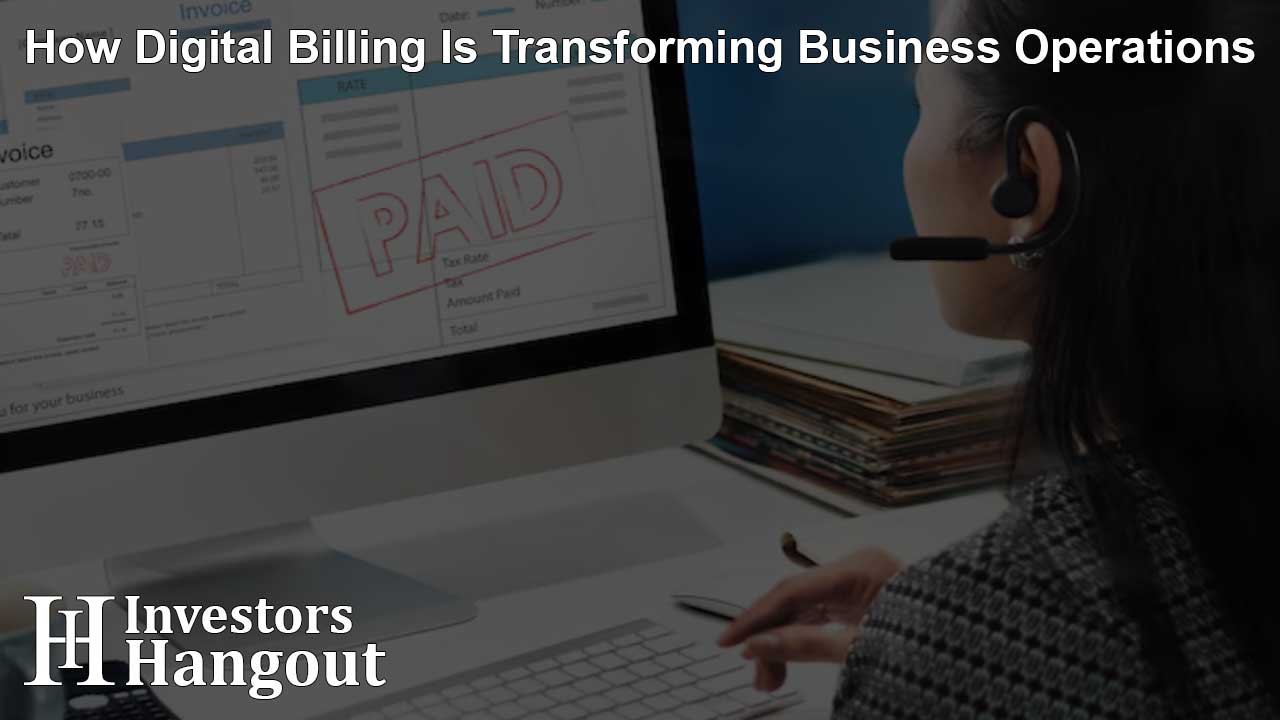
Digital transformation has changed the way companies operate in almost every sector, and billing processes are no exception. Across Spain, businesses are moving away from traditional paper invoices and manual accounting systems in favor of digital billing solutions that improve efficiency, compliance, and customer experience. This shift has accelerated in recent years due to regulatory changes, technological innovation, and the growing need for businesses to streamline administrative tasks.
Digital billing refers to the use of software platforms and automated systems to create, send, receive, and store invoices electronically. Instead of relying on paper documentation or disconnected spreadsheets, companies can now manage their financial processes through integrated digital environments. For Spanish businesses, this evolution is particularly important as tax authorities continue promoting digital reporting systems and transparency in financial operations.
The implementation of digital billing is not simply a technological trend. It represents a fundamental change in how organizations manage cash flow, communicate with suppliers and clients, and comply with legal obligations. Companies that adopt these systems often gain a significant competitive advantage because they can operate faster and more accurately than businesses still using outdated processes.
Why Spain Is Embracing Digital Billing
Spain has become one of the leading European countries in the modernization of invoicing systems. Government initiatives aimed at reducing tax fraud and improving transparency have encouraged businesses to adopt digital financial tools. The introduction of mandatory electronic invoicing requirements for many companies has further accelerated adoption across industries.
The Spanish Tax Agency has actively promoted digital solutions through initiatives connected to real-time reporting and digital tax management. As a result, businesses increasingly recognize the importance of integrating billing software with accounting, tax, and enterprise resource planning systems.
Small and medium-sized enterprises in Spain are also embracing digital billing because it reduces operational burdens. Many SMEs previously struggled with manual invoice processing, delayed payments, and administrative inefficiencies. Digital platforms now allow these companies to automate repetitive tasks and improve financial visibility.
Another major factor driving adoption is the broader European Union push toward digitalization. EU policies encouraging interoperability and standardized electronic invoicing have made it easier for Spanish companies to work with international clients and suppliers. This is especially important for export-oriented businesses that require efficient cross-border financial processes.
Improved Efficiency and Time Savings
One of the most significant benefits of digital billing is operational efficiency. Traditional invoicing methods often involve printing, mailing, filing, and manually entering financial data into accounting systems. These processes consume valuable time and increase the likelihood of human error.
Digital billing systems automate many of these tasks. Invoices can be generated instantly, sent electronically, and automatically recorded in accounting software. Employees no longer need to spend hours organizing paperwork or correcting data entry mistakes.
For businesses in Spain, where administrative compliance requirements can be complex, automation provides substantial advantages. Finance teams can focus on strategic activities instead of repetitive administrative work. Faster invoice processing also means businesses can shorten payment cycles and improve cash flow management.
Automation additionally improves collaboration between departments. Sales, accounting, and management teams can access real-time billing information from centralized platforms. This visibility helps companies make faster and more informed financial decisions.
Enhanced Accuracy and Reduced Errors
Manual invoicing systems are vulnerable to mistakes such as incorrect amounts, duplicate invoices, missing tax details, or inaccurate client information. Even small errors can lead to delayed payments, customer disputes, or compliance issues.
Digital billing platforms significantly reduce these risks by standardizing invoice creation and automating calculations. Tax rates, invoice numbering, and client data can be preconfigured within the system, minimizing the possibility of human error.
In Spain, where VAT compliance is particularly important, accurate invoicing is essential. Businesses must ensure invoices meet legal requirements and include all necessary fiscal information. Digital systems help maintain consistency and reduce the likelihood of penalties caused by invoicing mistakes.
Improved accuracy also strengthens relationships with customers and suppliers. Professional and error-free invoices contribute to smoother transactions and build trust between business partners.
Faster Payments and Better Cash Flow
Cash flow management is one of the most critical aspects of business success. Delayed payments can create serious financial pressure, particularly for smaller companies with limited resources. Digital billing solutions help address this problem by accelerating invoicing and payment processes.
Electronic invoices are delivered instantly, eliminating postal delays and reducing the risk of lost documents. Many digital platforms also include automatic payment reminders that encourage clients to pay on time. Some systems even integrate directly with online payment gateways, allowing customers to complete payments quickly and securely.
For Spanish companies operating in competitive markets, faster payments can improve financial stability and support long-term growth. Businesses gain better visibility into outstanding invoices and can monitor payment statuses in real time.
Predictable cash flow also allows organizations to plan investments more effectively. Instead of dealing with uncertainty caused by slow invoicing procedures, companies can make data-driven financial decisions with greater confidence.
Environmental Sustainability and Paper Reduction
Sustainability has become a growing priority for businesses across Spain and Europe. Companies are increasingly expected to reduce waste and adopt environmentally responsible practices. Digital billing supports these goals by minimizing paper consumption and reducing the environmental impact associated with printing and mailing invoices.
Traditional invoicing systems require large amounts of paper, ink, storage space, and transportation resources. By switching to digital platforms, organizations can significantly decrease their environmental footprint. This transition aligns with broader sustainability objectives promoted by both Spanish authorities and the European Union.
Consumers and business partners also increasingly value environmentally conscious companies. Adopting digital billing demonstrates a commitment to innovation and sustainability, which can positively influence brand reputation.
Although the environmental benefits may initially seem secondary compared to financial advantages, they play an increasingly important role in corporate decision-making and public perception.
The Role of Electronic Invoicing in Business Modernization
The adoption of electronic invoicing has become one of the most visible signs of digital transformation in business operations. Companies using electronic invoicing systems can automate invoice validation, improve document traceability, and ensure compliance with fiscal regulations more efficiently than traditional methods allow.
In Spain, the expansion of electronic invoicing is expected to continue as regulations evolve and digital infrastructure improves. Businesses that adopt these systems early are often better prepared to adapt to future legal requirements and technological developments.
Electronic invoicing also supports international business operations. Standardized digital invoice formats simplify communication between companies operating in different countries and reduce compatibility issues between financial systems.
As organizations become increasingly connected through cloud technology and digital platforms, electronic invoicing is likely to become a standard business practice rather than a competitive advantage.
Better Compliance and Data Security
Regulatory compliance is a major concern for businesses handling financial information. Digital billing systems help companies comply with invoicing regulations by automatically storing records, maintaining audit trails, and generating standardized documents.
Spanish regulations require businesses to preserve invoices and financial documentation for specific periods. Digital storage solutions simplify this process by organizing records securely and making them easily accessible during audits or inspections.
Security is another important advantage. Modern billing platforms often include encryption, user authentication, and cloud backups that protect sensitive financial information from loss or unauthorized access. Compared to physical paperwork, digital systems provide stronger safeguards against theft, damage, or accidental destruction.
Companies can also define access permissions to ensure only authorized employees can view or modify financial data. This improves internal control and reduces the risk of fraud.
Challenges Businesses May Face During Transition
Despite the many benefits, implementing digital billing systems can present challenges. Some businesses, particularly smaller organizations with limited technological experience, may initially struggle with software integration or employee training.
Transition costs can also be a concern. Although digital billing often produces long-term savings, companies may need to invest in software licenses, technical support, and staff education during the implementation phase.
Resistance to change is another common obstacle. Employees accustomed to manual processes may hesitate to adopt new technologies. Successful implementation usually requires clear communication, proper training, and management support.
Cybersecurity concerns may also arise, especially when businesses move financial information to cloud-based systems. Choosing reliable software providers and maintaining strong security practices are essential for minimizing risks.
However, despite these challenges, most companies find that the long-term advantages far outweigh the initial difficulties associated with digital transformation.
The Future of Digital Billing in Spain
The future of digital billing in Spain appears highly promising. Technological advancements such as artificial intelligence, machine learning, and cloud computing are expected to further improve automation and financial analysis capabilities.
Businesses will increasingly rely on integrated digital ecosystems where billing, accounting, tax reporting, and payment systems operate seamlessly together. Real-time financial data will allow organizations to make faster and more strategic decisions.
Regulatory developments are also likely to encourage broader adoption. As governments continue modernizing tax administration systems, digital invoicing requirements may expand across additional sectors and business categories.
For companies operating in Spain, adapting to digital billing is no longer optional in many cases. It is becoming a necessary component of efficient, compliant, and competitive business operations.
Organizations that embrace this transformation early can improve productivity, strengthen customer relationships, and position themselves for long-term success in an increasingly digital economy.