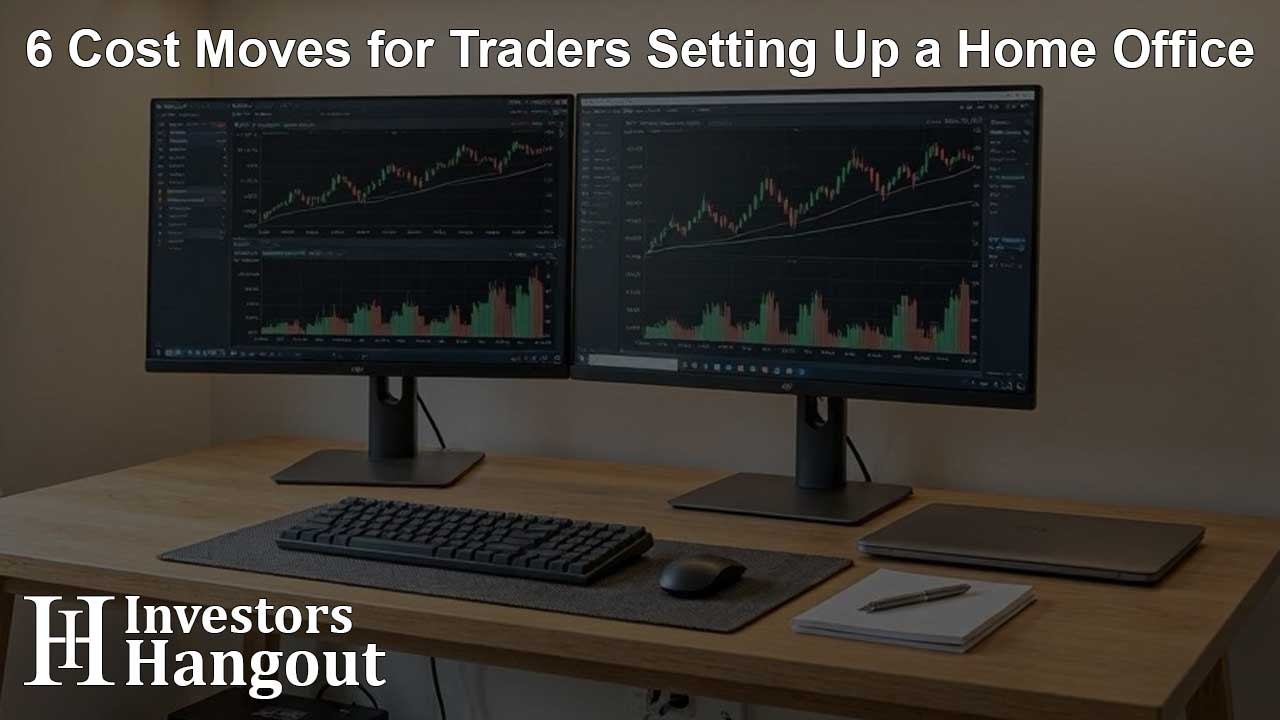
Here is the short answer. Most traders overspend on convenience and underspend on structure. A disciplined home office setup can trim thousands from annual costs without hurting performance.
Active traders manage risk in markets every day. The same thinking belongs in the workspace where those trades are placed.
1 Right Size Your Data And Platform Subscriptions
Many traders stack multiple charting packages, news feeds, and data add ons. Over time, the monthly total creeps higher than expected.
Audit what you actually use for 30 days. If two platforms give similar signals, keep the one that supports your edge and cancel the other.
2 Buy Refurbished Hardware Instead Of Chasing The Latest Model
Brand new laptops depreciate fast, yet most trading platforms do not require cutting edge processors. The Australian E Waste and IT Refurbishment Index 2026 reports strong growth in refurbished laptop values across 2024 and 2025, reflecting rising confidence in reliable second life devices.
Data from Reboot IT suggests refurbished business hardware can reduce three year ownership costs by 35 to 50 percent, freeing meaningful capital for disciplined long term investment instead of unnecessary equipment upgrades.
3 Claim What You Are Entitled To Under ATO Rules
Too many traders either overclaim or fail to claim at all. Both are costly mistakes.
The Australian Taxation Office confirms that for the 2024 to 2025 income year, the fixed rate method allows 70 cents per hour for eligible work from home running expenses. Over a year of consistent trading, that adds up quickly.
Keep accurate records. A simple spreadsheet updated weekly avoids stress at tax time and keeps you compliant.
4 Use Power Efficient Gear And A UPS
A short power outage during market hours can cost more than a year of electricity savings. A modest uninterruptible power supply protects both positions and hardware.
Choose energy efficient monitors and LED lighting. Running two efficient screens instead of three oversized ones trims power costs and reduces heat in the room.
5 Consider Coworking Day Passes Instead Of A Permanent Lease
Leasing office space full time feels professional. It can also be expensive and underused.
A 2025 report by Coworking Europe notes that flexible office prices in Australia have been rising, particularly for mid sized spaces. For a trader who only needs occasional separation from home distractions, day passes can make more sense.
Test a few locations before committing. Two or three focused days a week in a shared office may cost less than a lease that sits empty.
6 Move Infrequently Used Gear Into Short Term Storage
Spare desks, archive files, extra monitors, and unused furniture take up space that could serve as a cleaner trading zone. More space at home often means higher rent or mortgage pressure.
Before dismissing storage as another bill, compare unit sizes and monthly rates at Storelocal in Epping. When you break the cost down per square metre and factor in short term discounts, storage can be cheaper than upgrading to a larger home office.
It pays to compare prices across unit sizes. A slightly smaller unit with smarter stacking can lower monthly outgoings and often makes Storelocal in Epping a practical choice for traders seeking flexible self storage in Melbourne’s north.
Build A Lean Home Office That Supports Profitable Trading
Every dollar saved on overhead is a dollar that can compound in your trading account. These cost moves for traders are about aligning expenses with income producing activity.
Review your setup this month. If you see waste, fix it. If you want a smarter structure before the next financial year, explore your options or seek tailored guidance.