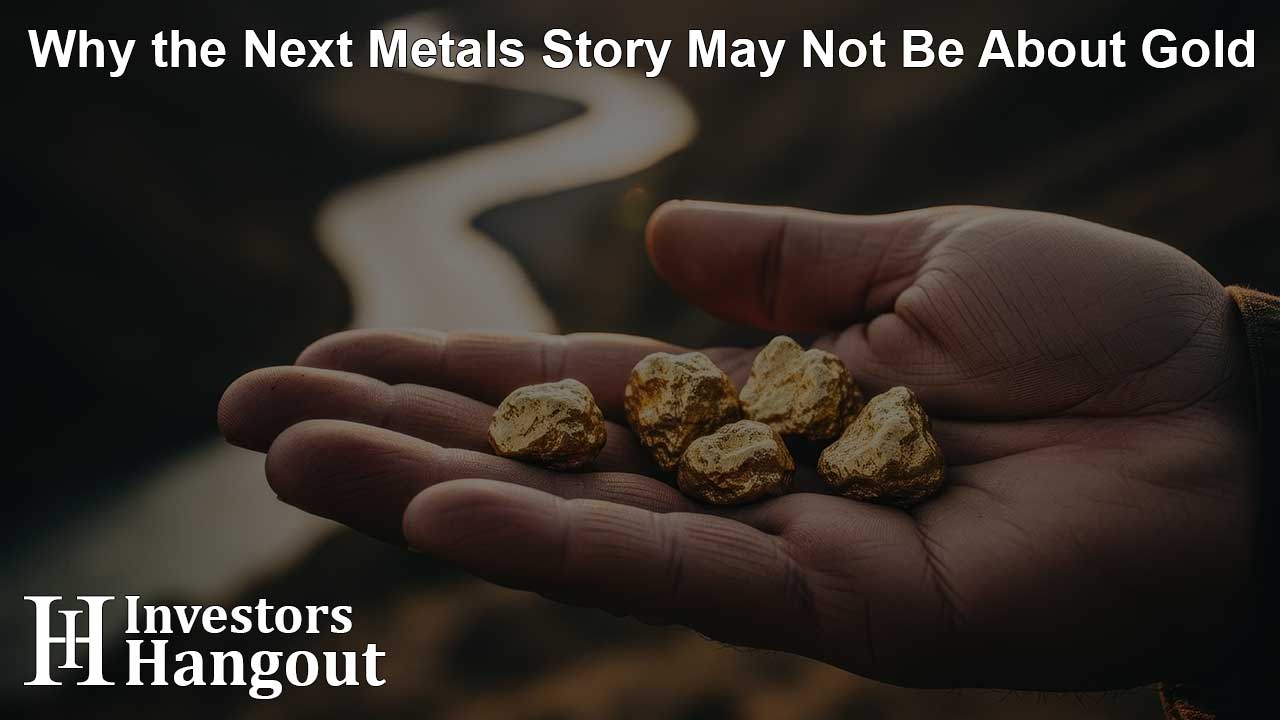
Gold naturally dominates conversations about precious metals. Its role as a store of value, its liquidity and its sensitivity to inflation, interest rates and geopolitical risk make that understandable. Yet the next major precious metals story may emerge elsewhere. Silver, platinum, palladium and rhodium sit at the intersection of investment demand, constrained supply and changing industrial requirements, giving them drivers that gold does not share.
Silver Has More Than One Demand Engine
Silver occupies an unusual position because it functions as both an investment metal and an industrial material. Investors considering a broader precious metals allocation through resources such as Auctus Metals therefore have more than monetary conditions to assess. Electronics, vehicles, data centres and artificial intelligence related technologies can all influence industrial demand for silver.
The Silver Institute expects the silver market to record its sixth consecutive annual market deficit in 2026. Although industrial fabrication is forecast to ease as manufacturers reduce silver use in photovoltaic applications, demand from data centres, automotive applications and AI related technology is expected to provide support elsewhere. That combination gives silver a demand profile substantially different from gold.
Platinum Is Developing Its Own Scarcity Story
Platinum presents another reason the next metals cycle could broaden beyond gold. The World Platinum Investment Council forecasts a fourth consecutive platinum market deficit in 2026, with further depletion of above ground stocks.
Supply cannot necessarily respond quickly when prices rise. Platinum mining frequently involves deep underground operations, long development periods and geographically concentrated reserves. This relative supply inelasticity means unexpected demand growth or production disruption can have an amplified influence on market balance.
Palladium and Rhodium Remain Industrially Important
Palladium and rhodium receive far less investor attention than gold, but their industrial relevance remains significant. Along with platinum, both are platinum group metals, valued for their catalytic properties.
Vehicle manufacturers have long used platinum, palladium and rhodium in catalytic converters to reduce harmful exhaust emissions. Their applications also extend beyond vehicles. The US Geological Survey identifies palladium uses in electronics and chemical catalysts, while rhodium is used in electrical components and chemical catalysis. This creates exposure to industrial cycles and technological change rather than purely investment sentiment.
Scarcity Matters More in Smaller Markets
Market size is another reason investors may need to watch beyond gold. Smaller precious metals markets can respond sharply when supply, industrial consumption and investment demand move simultaneously.
That does not automatically make silver, platinum, palladium or rhodium superior investments. Their prices can be volatile, and technological substitution, recycling, economic weakness or changes in vehicle technology can reduce demand. The more useful point is that each metal responds to a different combination of forces. Diversification within precious metals therefore requires understanding those individual demand and supply structures rather than treating every metal as a smaller version of gold.
Technology Can Change Metals Demand Quickly
Gold demand is heavily influenced by investment behaviour, central bank activity and macroeconomic expectations. Other precious metals can react to an additional variable: technological adoption.
Platinum group metals are used across industrial processes, electronics and emerging energy technologies. Recent industry analysis has also identified potential demand connected with AI infrastructure, semiconductor production and hydrogen technologies. When a relatively small metals market encounters a new source of demand, even modest changes can become important because supply expansion may require years rather than months.
The Next Story Could Be Broader Than Gold
Gold is unlikely to lose its central place in precious metals investing, but prominence does not guarantee that it will produce the most important development in every market cycle. Persistent silver deficits, constrained platinum supply and the specialised industrial roles of palladium and rhodium create separate investment narratives. The next major metals story may emerge when scarcity, technology and industrial demand converge somewhere investors have been watching far less closely.