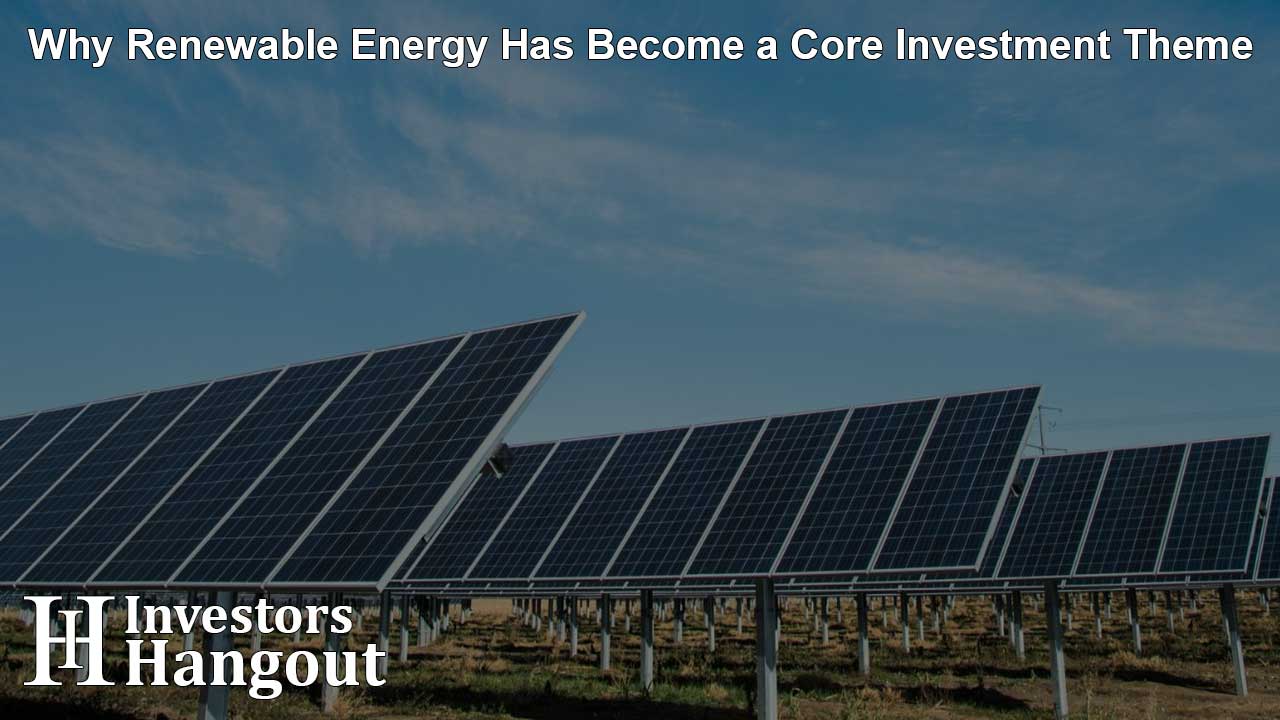
Renewable energy has progressed from a specialist interest to a core investment topic, fuelled by dropping costs, supportive policies, and consistent long-term electricity demand. What was once thought to be speculative is now included in many conventional portfolios. Renewable energy plans are structured for professional investors by investment firms like Univere Investment Solutions, indicating the industry's progress.
From Niche to Mainstream
Not long ago, clean energy was on the periphery of most portfolios. It remained a specialised endeavour for the patient or the idealistic because of high costs and unstable policy. That image has drastically changed. In many areas, solar and wind energy are currently among the least expensive sources of new power, and capital has followed the economics. What started as a cause has developed into a hot topic in finance.
Scale altered the discourse. When projects grew large enough to attract substantial funding, clean energy stopped being a moral choice and became just another business calculation.
What Is Driving the Shift
Renewable energy has been driven toward the centre by some factors. Over the past ten years, the cost of technology has decreased, particularly for solar panels and batteries. Governments all over the world have given projects a clearer runway by establishing extended horizons for greener power. As more people use the grid for transportation and business, the demand for electricity continues to rise. Together, these currents form a stable backdrop that many investors find difficult to ignore.
Momentum is increased by investor pressure. Environmental considerations are now routinely taken into account by many large funds, directing new investment toward greener assets every year.
The Many Ways to Take Part
Exposure to the theme might take many different forms. You may purchase stock in energy firms, own a clean power index-tracking fund, or obtain access through infrastructure and structured vehicles that support particular initiatives. The ratio of risk, liquidity, and participation varies depending on the route. Professional investors are typically the ones getting direct project exposure, whilst those seeking simple entrance and exit are better suited for listed options. Being aware of the differences enables you to make informed decisions.
Before deciding where to put your money, carefully analyse the costs and fees associated with each approach.
Understanding the Risks
Caution should never be overshadowed by enthusiasm. Risks associated with renewable energy projects include weather, building delays, grid access, and policy and subsidy changes. Interest rates and sentiment can have a significant impact on the sector's share values. A strong long-term theme guarantees no smooth ride for any single holding. Examine the area as carefully as you would any other area of your portfolio.
Additionally, vary within the theme. Supporting many technologies and geographical areas lessens the impact of a single project or legislation going against you.
The Role of Structured Access
For most investors, getting direct access to real projects is challenging. Building a solar site or financing an energy project requires much more than a standard account in terms of scale, experience, and regulatory status. Professional firms create structured products because they integrate such exposure into a defined form. These vehicles provide qualified investors with access to assets that would otherwise remain unattainable. Listed funds continue to be the more sensible option for everyone else.
Access alone should never be used as justification for investment because the underlying project must still be compelling.
Thinking in Decades, Not Days
A patient mindset is well suited to clean power. Cheaper technology and a gradual shift in how the globe powers itself are the driving factors behind it, and they take years rather than weeks to manifest. Chasing the sector's short-term price movements frequently leads to frustration. Investors that approach it as a long-term investment typically weather the fluctuations more calmly. Here, patience is preferable to haste.
Reading Where the Theme Heads
Even if the road continues to be uneven, the direction of travel appears to be firmly established. Costs continue to decline, storage continues to advance, and there is no indication that demand for cleaner power will decline. All of it does not guarantee that every renewable venture will be profitable or that every year will go smoothly. It is your responsibility to carefully size each position and to distinguish the long-term trend from the specific wager. When seen in this manner, the industry provides a long-term area of study rather than a craze.
Your ally is still patience. The leaders of one turbulent year may not resemble the winners of ten years. Examine the theme first, then carefully select each holding.