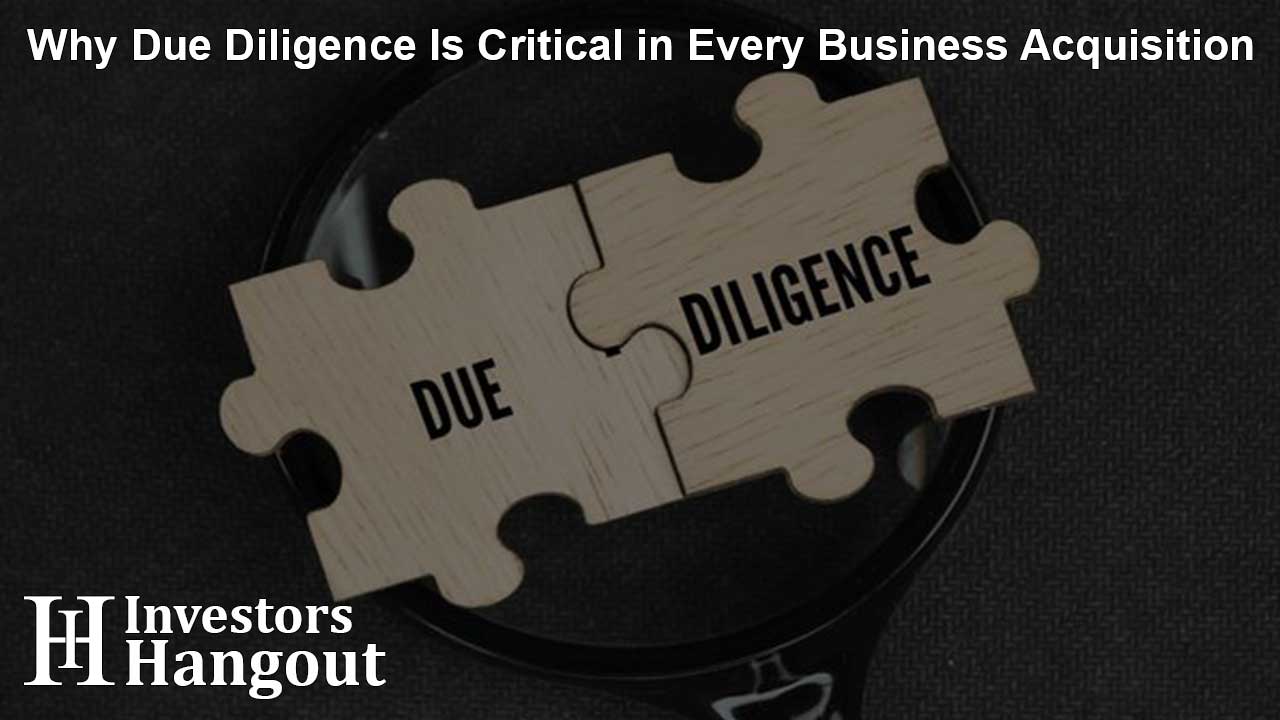
Due diligence is the structured investigation a buyer conducts before finalizing a business acquisition. It determines whether the business is worth what the seller is asking and whether hidden risks exist that could affect the deal. Without it, buyers have little protection once the transaction closes.
Every acquisition carries risk. The only way to understand that risk before committing is through a thorough, well-organized review. Working with a mergers and acquisitions lawyer ensures the process is legally sound and that nothing critical is missed before signing.
Due Diligence Protects the Buyer from Hidden Risk
Acquisitions look clean on the surface far more often than they actually are. Due diligence exists specifically to close that gap.
A business may carry undisclosed debts, unresolved tax disputes, or pending litigation that never appears in initial conversations. Without a formal review, a buyer has no way of knowing what they are actually purchasing.
-
Contingent liabilities such as pending lawsuits can transfer to the buyer after closing.
-
Unpaid payroll or sales taxes can become the buyer's obligation under federal successor liability rules.
-
Warranty claims, refund obligations, and customer disputes may not appear on a standard balance sheet.
-
Regulatory violations or missing licenses can halt operations immediately after acquisition.
Why Every Area of the Business Must Be Reviewed
No single part of the business exists in isolation. A problem in one area almost always affects others.
Financial Records
Revenue figures alone do not tell the full story. Tax returns, outstanding loans, accounts payable, and off-balance-sheet obligations all affect what the business is actually worth. A buyer who reviews only profit and loss statements is working with incomplete information.
Contracts and Agreements
Many supplier and customer contracts include change-of-control clauses. These allow the other party to exit the agreement when ownership transfers. Losing key contracts after closing can significantly reduce the value of what was purchased.
Employees and Benefits
Employment agreements, unpaid wages, pension obligations, and active HR disputes all carry financial and legal exposure. These obligations follow the business into the acquisition unless the purchase agreement specifically addresses them.
The Legal Consequences of Skipping Due Diligence
Courts do not offer much sympathy to buyers who had the opportunity to investigate and chose not to.
Under the doctrine of caveat emptor, a buyer who skips reasonable investigation may have limited legal recourse after closing. The Uniform Commercial Code and general contract law principles provide some post-closing remedies, but they require proof, take time, and are expensive to pursue.
Representations and warranties in the purchase agreement offer protection, but only if the buyer has already identified the right questions to ask. Due diligence is what surfaces those questions before it is too late.
Why Rushed Due Diligence Is as Dangerous as None at All
Sellers often push for fast closings. That pressure leads buyers to accept surface-level reviews and move forward without fully understanding what they are buying.
A compressed timeline increases the chance of missing material issues. It also weakens the buyer's legal position if problems surface later, since courts assess what a buyer could reasonably have discovered given the time and access they had.
Taking the time to conduct due diligence properly costs far less than unwinding a bad deal or litigating undisclosed problems after closing.
Key Takeaways
-
Due diligence is the only reliable way to identify hidden risks before a business acquisition closes.
-
Hidden debts, tax liabilities, and contingent obligations can transfer to the buyer if not discovered and addressed in advance.
-
Change-of-control clauses in contracts can allow vendors and customers to exit relationships the moment ownership transfers.
-
Courts hold buyers responsible for issues they could have discovered through reasonable investigation under caveat emptor principles.
-
Rushed due diligence carries the same risk as no due diligence since compressed timelines lead to missed material issues.
-
Proper due diligence before closing is always less costly than litigation or deal restructuring after the fact.