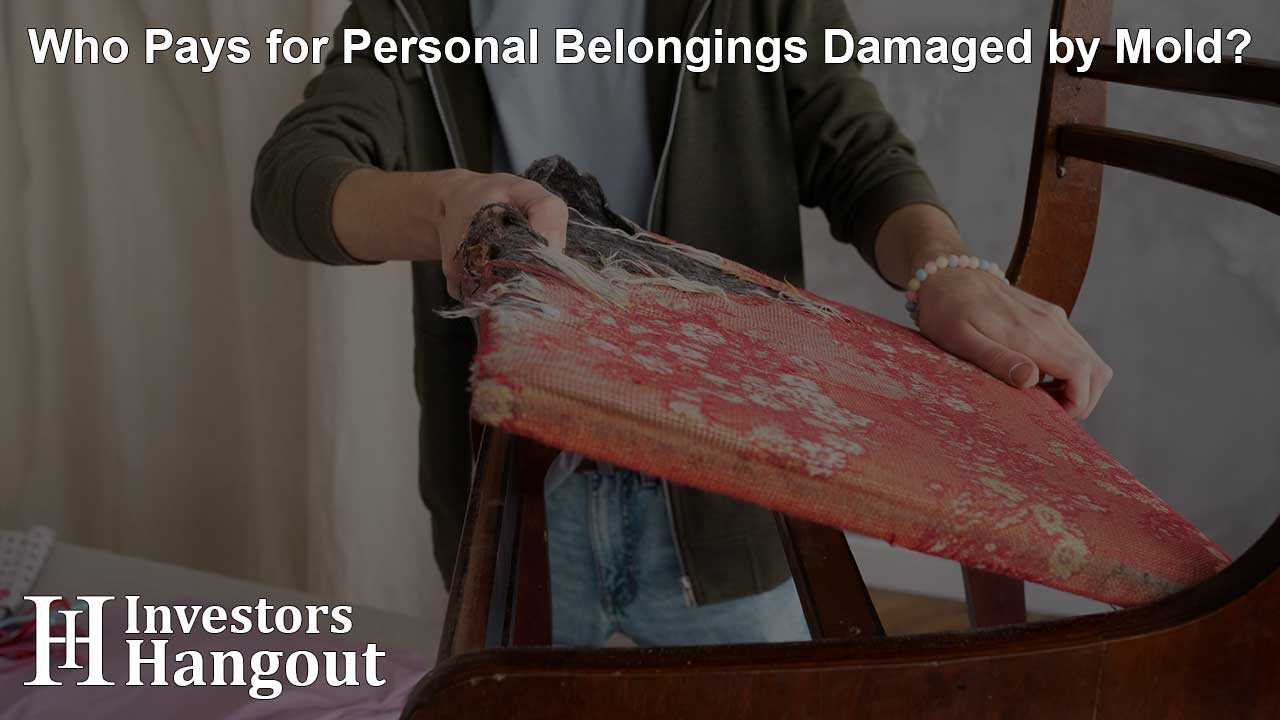
The person or company responsible for the mold may have to pay for damaged belongings, but payment is not automatic. From a personal finance perspective, a landlord, property manager, and contractor may be responsible depending on the cause of the mold, delayed repairs, and the insurance coverage available.
In San Diego, coastal neighborhoods such as La Jolla, Pacific Beach, and Ocean Beach can experience higher humidity due to their proximity to the Pacific Ocean. Plumbing leaks, inadequate ventilation, and water intrusion during heavy rain can also create damp conditions that allow mold to spread inside homes and apartments. San Diego County tenants dealing with unresolved mold problems may contact local housing authorities to report potentially unsafe rental conditions.
Document contamination before discarding items. Take photographs, keep receipts for damaged belongings, and save communications about previous repair requests. Residents may consult a San Diego mold law firm about possible claims and the evidence needed to support them.
Who May Be Responsible for Mold-Damaged Belongings?
The Landlord or Property Owner
A landlord may be responsible if leaks or neglected repairs caused mold and the landlord failed to address a known problem. California landlords must maintain habitable rental housing.
A Property Manager or Maintenance Contractor
A manager or contractor may share responsibility if negligent repairs or remediation allowed moisture to continue.
The Tenant or Homeowner
A tenant may be responsible if their conduct causes moisture, such as failing to report a leak. Homeowners may bear the loss if no other party is responsible and insurance does not cover it.
Why Does Insurance Not Always Pay for Mold Damage?
Homeowners and renter’s policies often exclude mold caused by long-term leaks, seepage, or neglect. Mold resulting from a sudden, covered water event may qualify, subject to policy limits and conditions. Renters’ insurance generally covers belongings, not the landlord’s building.
From a personal finance perspective, the California Department of Insurance advises policyholders to review their policy and promptly report water damage.
The amount recoverable may depend on whether an item can be cleaned, must be replaced, or has lost part of its value. Keep clothing, furniture, and electronics available for inspection when practical.
What California Laws May Apply?
California Civil Code section 1941.1 sets habitability requirements for rental housing. Section 1941.7 addresses a landlord’s obligation to repair mold-related dilapidations after receiving notice, subject to statutory conditions.
These laws do not automatically guarantee reimbursement. A tenant may need to prove negligence, causation, and the value of the loss.
Real-Life Example: Mold Contamination and Household Belongings
In Leakas v. Monterey Bay Military Housing, a 2022 federal court order described allegations that mold and water intrusion affected a leased home. The family said they left household goods behind because of contamination.
The court allowed a nuisance claim involving personal property loss to proceed beyond a motion to dismiss. It did not decide whether the defendants were ultimately liable.
Pro Tip
Photograph affected items. Keep receipts, cleaning invoices, inspection reports, and written notices.
What Should You Do After Discovering Mold Damage?
-
Notify the landlord, property manager, or insurer in writing.
-
Photograph the mold, moisture source, and damaged belongings.
-
Prepare an itemized list with each item's age and value.
-
Keep inspection, remediation, and repair records.
-
Do not discard items before inspection unless safety requires it.
Frequently Asked Questions
-
Does renter’s insurance cover furniture and clothing damaged by mold?
It depends on the cause of the mold and policy wording. Mold from a covered sudden water event may qualify, while gradual leaks are commonly excluded.
-
Can I ask my landlord to replace my belongings?
Possibly, if the landlord’s breach or negligence caused the damage and you can prove the loss. Liability is fact-specific.
Key Takeaways
-
The landlord or another responsible party may have to pay when negligence causes mold damage.
-
Renter’s insurance may cover personal belongings only when the cause is an insured event.
-
Gradual leaks and poor maintenance are commonly excluded from coverage.
-
California law requires landlords to address qualifying habitability problems after notice.
-
Keep photographs, receipts, reports, and written communications to support a claim.
-
The value and cause of each damaged item should be documented.