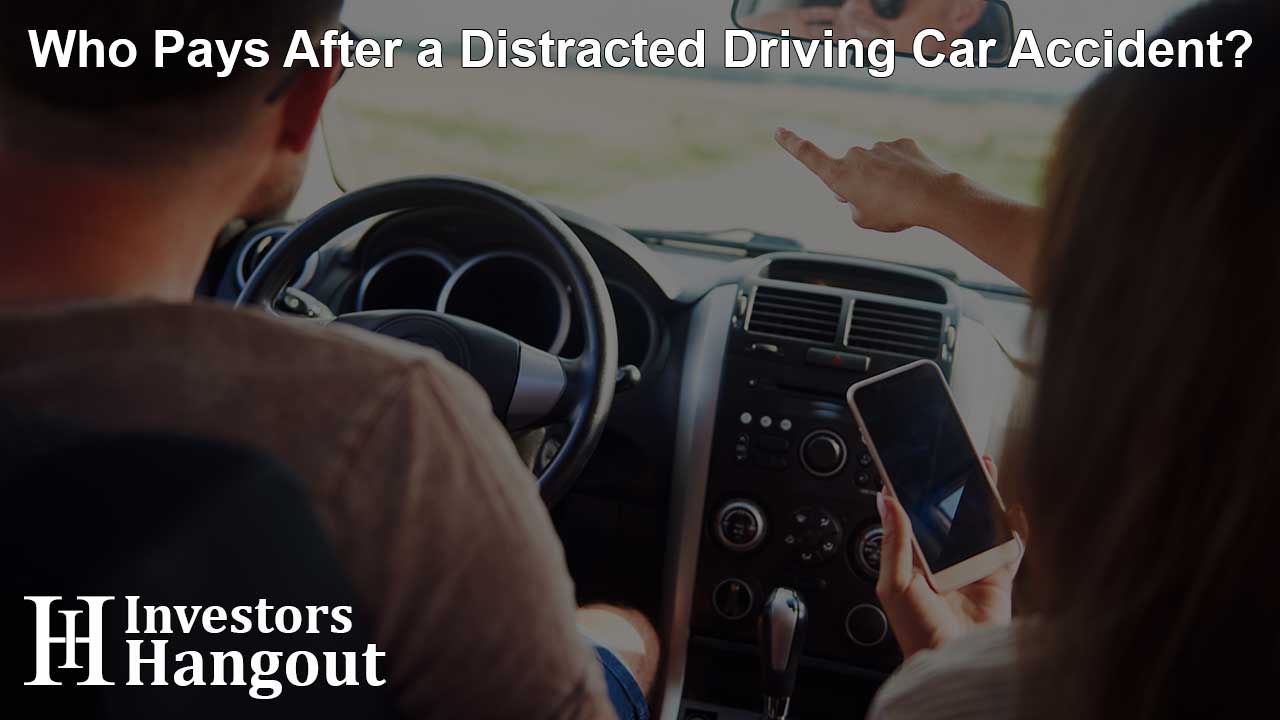
Miami's busy streets, heavy traffic, and constant movement make road safety a concern for residents and visitors alike. With drivers often juggling work, navigation, phone calls, and other distractions, even a moment of inattention can lead to a serious collision. For someone injured in such an accident, the consequences can extend well beyond vehicle damage. From a personal finance perspective, medical expenses, missed work, and the stress of dealing with insurance companies can quickly become overwhelming.
One of the first questions that often follows is who should be held financially responsible for the resulting losses. While the distracted driver may bear responsibility, the insurance policies involved, the circumstances of the crash, and the evidence available can all affect how compensation is pursued. Knowing where to turn for legal guidance can make the process less confusing. Those affected can find a car accident lawyer near you to better understand their rights, assess available coverage, and explore their options for seeking compensation.
Start With the Available Insurance
Florida’s auto insurance system generally directs drivers to their own coverage for certain crash-related losses, regardless of fault. This can provide an initial source of payment for eligible medical expenses and other covered losses, subject to the policy’s terms. It does not necessarily settle who caused the collision or cover every financial consequence.
When injuries or vehicle damage exceed available coverage, an injured person may need to pursue the distracted driver’s insurance. A lawyer can review crash records, insurance notices, medical bills, and repair estimates to identify possible sources of recovery. To find a car accident lawyer, an injured person can seek help investigating the collision, organizing evidence, and communicating with insurers. These tasks matter when the driver disputes phone use or witnesses give conflicting accounts.
Prove the Driver Was Distracted
A phone in a driver’s hand does not, by itself, prove that distraction caused a crash. Evidence must help establish what the driver was doing and how it affected their driving. A witness might have seen the driver look down before striking a stopped vehicle. Nearby video could show the vehicle drifting across a lane.
Useful evidence includes scene photographs, witness contact details, vehicle damage, and the official crash report. From a personal finance perspective, preserving this evidence can also matter when medical expenses, lost income, vehicle repairs, and other financial losses become part of the claim. The injured person should promptly record what they remember, including traffic signals, road conditions, and the other driver’s statements. Investigators can seek phone records or video where available. Evidence can disappear or become harder to obtain over time, so preserving it early matters.
Identify Who May Share Responsibility
The distracted driver is not automatically the only person or entity responsible. Another driver’s actions, a vehicle owner’s decisions, or an employer’s connection to the trip could matter, depending on the facts. Each possible source of responsibility requires evidence linking that party to the crash or resulting loss.
Florida follows a comparative fault system. If the injured person also contributed to the collision, that issue can affect the claim. Insurers might argue that the claimant changed lanes suddenly, ignored a signal, or stopped without warning. A careful review compares those claims with physical evidence, witness accounts, and the sequence of events.
Separate Injury and Vehicle Claims
Injury claims and vehicle-damage claims involve different losses and may involve different coverage. Medical records help connect treatment to the crash and describe the injury’s effects. Pay records, work schedules, and employer documents can support a claim for missed income. Repair estimates, photographs, and receipts help establish vehicle-related costs.
The injured person should keep copies of bills, claim letters, repair documents, and notes about symptoms or missed work. Gaps in treatment or incomplete records can make it harder to explain how an injury developed. Before accepting a settlement, the claimant should check which losses it covers and whether it resolves any part of the claim.
Expect Insurers to Test the Evidence
An insurer may question whether the driver was distracted, whether the crash caused a particular injury, or whether the requested amount is adequately supported. It may also review statements made soon after the collision. A short, factual account is safer than guessing about speed, phone use, or another person’s intentions.
The injured person should keep communications, preserve photographs and messages, and correct factual errors in claim documents. Review a settlement for the claims it releases, not just the amount offered. The available evidence and policy terms shape the result. No single record guarantees payment.
Check the Policy and Claim Status
The amount paid depends on the applicable policies, their limits, and the documented losses. From a personal finance perspective, understanding those limits and how a proposed payment was calculated can help the injured person plan for medical bills, repairs, and lost income. The injured person can ask the insurer which policy it is reviewing, what documents remain outstanding, and how it calculated a proposed payment. These questions create a clearer record of the insurer’s position.
A claim can involve the injured person’s own coverage as well as the at-fault driver’s policy. Keep claim numbers and adjuster correspondence together, and record each request and response. If an insurer denies coverage or assigns fault in a disputed way, its written explanation can help identify which evidence or policy language needs review.
Conclusion
The driver who caused the crash may be responsible, but payment can come through more than one policy. Insurers examine both fault and proof of loss. Gather the crash report, photographs, medical records, and insurance letters in one place. A clear record helps identify unresolved claims and what evidence is still needed to assess available coverage and the losses connected to the collision.