After a Houston crash, the other driver's insurer may ask for a recorded statement or offer a quick payment for your car. From a personal finance perspective, that payment can affect repair costs, transportation expenses, and any other bills that follow the accident. If your neck has started to ache, you may be unsure what to do next.
Emergencies come first. Get care for anyone hurt. If no one is injured, move out of the road when it's safe.
After that, legal advice can help when symptoms persist, fault is disputed, coverage is unclear, a government entity is involved, or you receive a settlement release.
A minor property-damage claim with no injuries may not need a lawyer.
Key Takeaways
-
Preserve the record. Keep photographs, the crash report number, bills, receipts, and insurer correspondence together.
-
Recognize complications. Continuing symptoms, disputed fault, limited coverage, government involvement, or unclear settlement terms are reasons to seek advice.
-
Check deadlines. Reporting an insurance claim, consulting a lawyer, and filing a lawsuit are separate steps with different timing requirements.
Handle the Immediate Aftermath First

Safety and medical care. The Texas Department of Insurance (TDI) advises moving out of the road when no one was injured, but do so only when it's safe. If someone is hurt, call 911. Feeling well at the scene does not rule out a concussion.
The CDC notes that some concussion symptoms appear right away, while others may emerge hours or days later. Seek medical care if symptoms develop, and contact your healthcare provider if they don’t go away. Those visits also create the medical records that later show what the injury involved.
Document what you safely can. TDI recommends photographing the vehicles involved, their plates and damage, and relevant street signs and road angles.
Don't put yourself at risk to take pictures. Collect contact details from witnesses and the other driver, and write down the investigating agency and any report number the officer provides.
If an officer filed a report, eligible people can purchase a copy of the CR-3 crash report through TxDOT's online purchase system, subject to its requirements.
Notify your insurer. TDI lists reporting the crash to your own insurance company as a basic post-crash step. Considering a lawyer is no reason to delay it.
Check your policy's notice and cooperation requirements, respond to your insurer's requests, and take notes on calls.
A straightforward property-damage claim with no injuries or fault dispute may be handled through insurance without legal representation.
Know When to Seek Legal Advice

Reporting a claim notifies an insurer. Consulting a lawyer helps you understand your options. Filing a lawsuit is a court action with its own deadline.
Don't assume insurance negotiations extend that deadline. Texas generally allows two years from when a personal-injury claim accrues, subject to applicable exceptions.
A lawyer can assess the deadline for your circumstances; the situations below are practical reasons to seek advice, not legal requirements to hire counsel.
Continuing injuries or missed work. If symptoms persist, the CDC advises talking to your healthcare provider.
Ongoing treatment, missed shifts, or an injury that affects daily life can also make a claim more complicated.
Legal advice may help you understand how to document those losses and evaluate a proposed settlement.
Disputed responsibility or several vehicles. For claims governed by Texas's proportionate-responsibility rules, including claims involving shared fault in Texas, a claimant found more than 50 percent responsible cannot recover damages. When recovery is allowed, damages are reduced by the claimant's percentage of responsibility.
The other driver's accusation alone does not establish fault. If accounts conflict or several vehicles are involved, a lawyer can review the report, photographs, and witness information.
Uncertain coverage or an unresponsive opposing insurer. If the other driver was uninsured, available coverage appears insufficient for your medical bills, or the opposing adjuster stops responding, you may need help identifying which coverage applies.
Understand any recorded-statement request or authorization from the opposing insurer before agreeing to it. Continue cooperating with your own insurer under your policy.
If injuries, disputed fault, or coverage questions make representation worth discussing, you can speak with a Houston car accident lawyer.
Mostyn Law advertises a free, confidential initial consultation and contingency-fee representation. Confirm the terms of any ongoing representation before hiring the firm.
Government involvement. A crash involving a city vehicle or a road condition maintained by the city may raise a separate notice issue. Houston's filing guidance quotes a City Charter provision requiring written, verified notice within 90 days for claims against the City of Houston.
That provision concerns claims against the city, not every Houston crash, and it does not replace the lawsuit deadline. Other public entities may have different requirements. Whether a notice rule or an exception applies requires individual review.
A proposed settlement release. Check which claims the release covers before signing. TDI advises discussing any future medical treatment you might need with your doctor before signing a medical-claim release. Have unclear terms reviewed before you agree.
Make the First Consultation Useful
A lawyer can give more focused answers when you have records available, but you don't need a complete file before asking for advice.
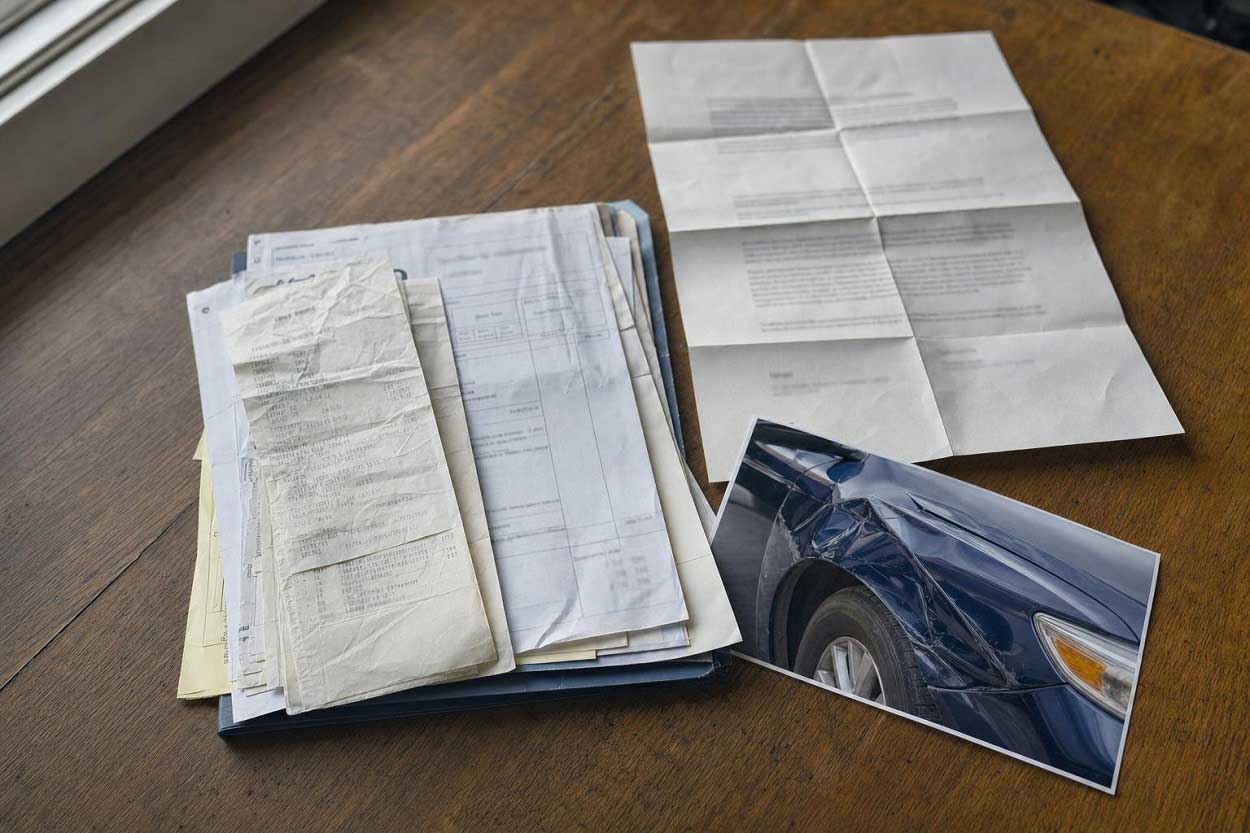
What to bring. Gather crash photographs, the report number and investigating agency, medical records and bills, insurer correspondence, expense receipts, and any proof of missed work.
TDI advises keeping receipts for all expenses during a claim. Include notes from insurer calls and any proposed settlement documents.
What to clarify. Ask who will handle your matter day to day, which deadlines apply, how the fee is calculated, how expenses are handled if the case does not succeed, and what the representation agreement commits you to.
A free initial consultation does not mean ongoing representation is free. From a personal finance perspective, understanding legal fees and case expenses upfront can help you plan for the financial impact of pursuing a claim. Mostyn Law advertises contingency fees, but its supplied page does not state a percentage or a complete expense policy.
Ask for those terms in writing. The State Bar of Texas notes that a contingent-fee matter ends with a written closing statement explaining how the fee was calculated.
Mostyn Law says its initial consultation includes an attorney's review of your case, answers to your questions, and an explanation of your legal options, with no obligation.
Bring any proposed release so you can ask which claims it would settle. This article provides general information, not legal advice.