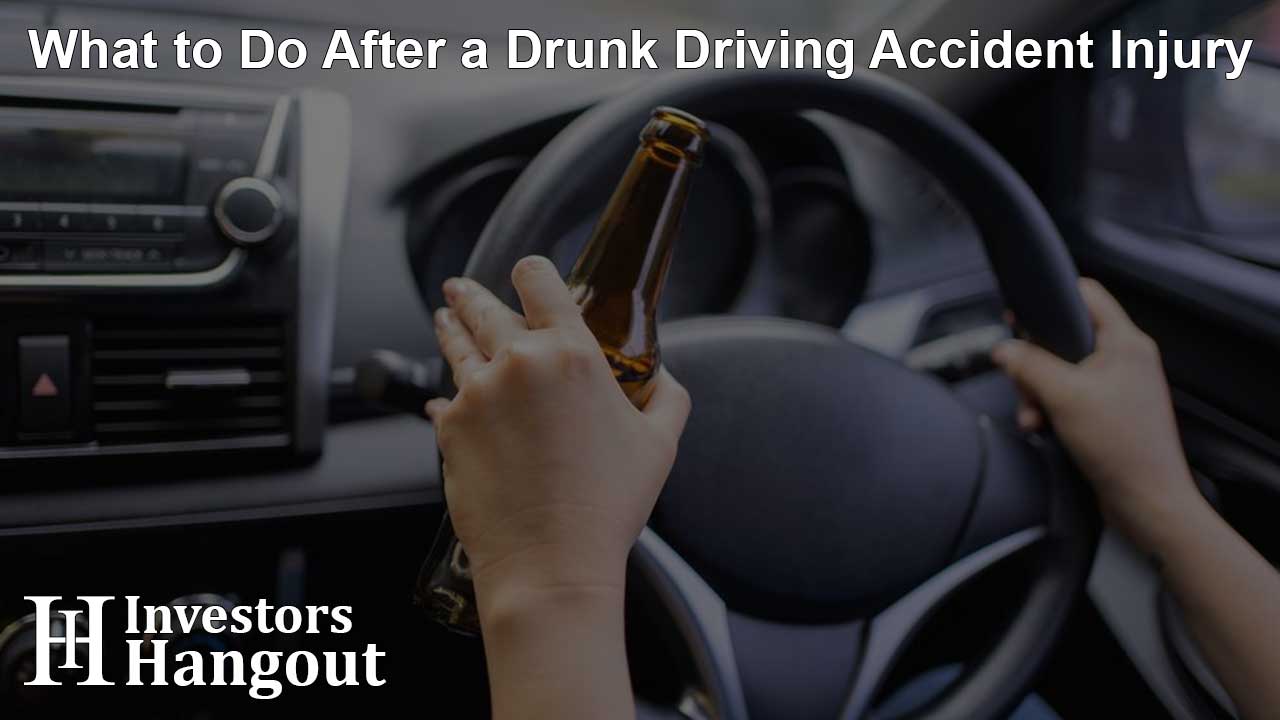
The story of a drunk driving accident does not begin and end at the crash scene. It can continue through medical appointments, insurance claims, vehicle repairs, missed work, and other expenses that may arise in the days and weeks that follow. From a personal finance perspective, keeping track of this timeline can help document what happened after the collision and show how the accident affected the injured person’s health, finances, work, and everyday life.
When reviewing these circumstances, a lawyer for victims of drunk driving accidents may consider records such as medical bills, treatment notes, repair estimates, and lost wage information. Maintaining organized documentation can make it easier to understand the full impact of the collision and provide a clearer record of the losses involved. Taking a few practical steps early on can help preserve important details from the accident onward.
1. Get Medical Care
Your health should receive attention before paperwork or insurance discussions. Some injuries may not be obvious right after a collision, especially if the body is still reacting to the stress of the crash. A medical evaluation can identify injuries and create a record of the treatment provided.
Follow the medical instructions you receive and keep copies of bills, test results, prescriptions, and appointment records. From a personal finance perspective, these documents can also help track accident-related expenses and later show the type of care connected with the accident.
2. Report the Accident
A drunk driving accident should be properly reported to law enforcement. Officers may document the crash scene, speak with people involved, record observations, and investigate suspected impairment.
Ask how to obtain a copy of the accident report and keep it with your other records. If the driver was arrested or cited, those details may also appear in official records. The report can provide an important account of what authorities found at the scene.
3. Preserve Information From the Crash
Evidence can disappear quickly after an accident. Vehicles may be repaired, road conditions can change, and witnesses may become difficult to contact. Taking reasonable steps to preserve information can help keep the facts easier to review.
Useful information may include:
-
Photographs of the vehicles and accident scene
-
Names and contact details of witnesses
-
Police report information
-
Insurance details for the drivers involved
-
Medical records and bills
-
Records of damaged personal property
Keep these materials together rather than relying on memory alone.
4. Notify Your Insurance Company
Your insurance company may need to know about the accident, even if another driver appears responsible. Review your policy and follow its reporting requirements. The insurer may ask for information about the collision, your vehicle, injuries, and other losses.
Keep copies of claim forms, emails, letters, and other communications. Avoid guessing about details you do not remember. Give information that is accurate and based on what you know about the accident.
5. Keep Track of Your Losses
The effects of a drunk driving crash may reach beyond the emergency room. Medical treatment can continue, time away from work can reduce income, and vehicle repairs can create additional expenses. Keeping a clear record can help show the financial impact of the accident.
Save medical bills, repair estimates, pay records, transportation expenses, and receipts connected to the crash. Also keep a simple record of appointments and treatment. A complete record can make it easier to review what happened and what losses followed.
6. Learn About Your Legal Options
After the immediate needs are addressed, learning about the legal process may help you understand what options could apply to your situation. A lawyer for victims of drunk driving accidents may review the police report, insurance coverage, medical records, and other information related to the crash.
The legal process can involve questions about fault, available insurance, injuries, financial losses, and deadlines. These issues depend on the facts of the accident and applicable law, so professional analysis may be needed rather than relying on general information alone.
After a serious crash, it is also helpful to avoid making public comments about the accident or injuries without considering how those statements could be understood later. Social media posts, photographs, or casual comments may leave out important context. Keeping discussions private and factual can reduce confusion while the accident, medical treatment, and insurance issues are being reviewed by the appropriate people carefully.
Keep the Important Details Together
A drunk driving accident can create a long list of things to manage, but keeping the basic information organized can make the situation easier to review. Medical care, an official accident report, preserved evidence, insurance communication, and records of losses can all help create a clearer picture of what followed the crash.
A lawyer may use these records to assess the circumstances and explain possible legal options. Taking care with the details does not change what happened, but it can help keep the facts, records, and losses connected as the matter moves through the insurance or legal process.