If you own, manage, or plan to buy property in Nokomis, irrigation probably doesn’t sound exciting. Fair enough. Still, in a coastal Florida market where curb appeal, water use, and maintenance costs all affect value, a failing sprinkler system can quietly drag performance down. Nokomis properties deal with heat, sandy soil, sudden rain, and strict expectations around landscaping, so keeping irrigation in good shape plays a bigger role in asset protection than many investors first assume.
Irrigation issues rarely stay small for long
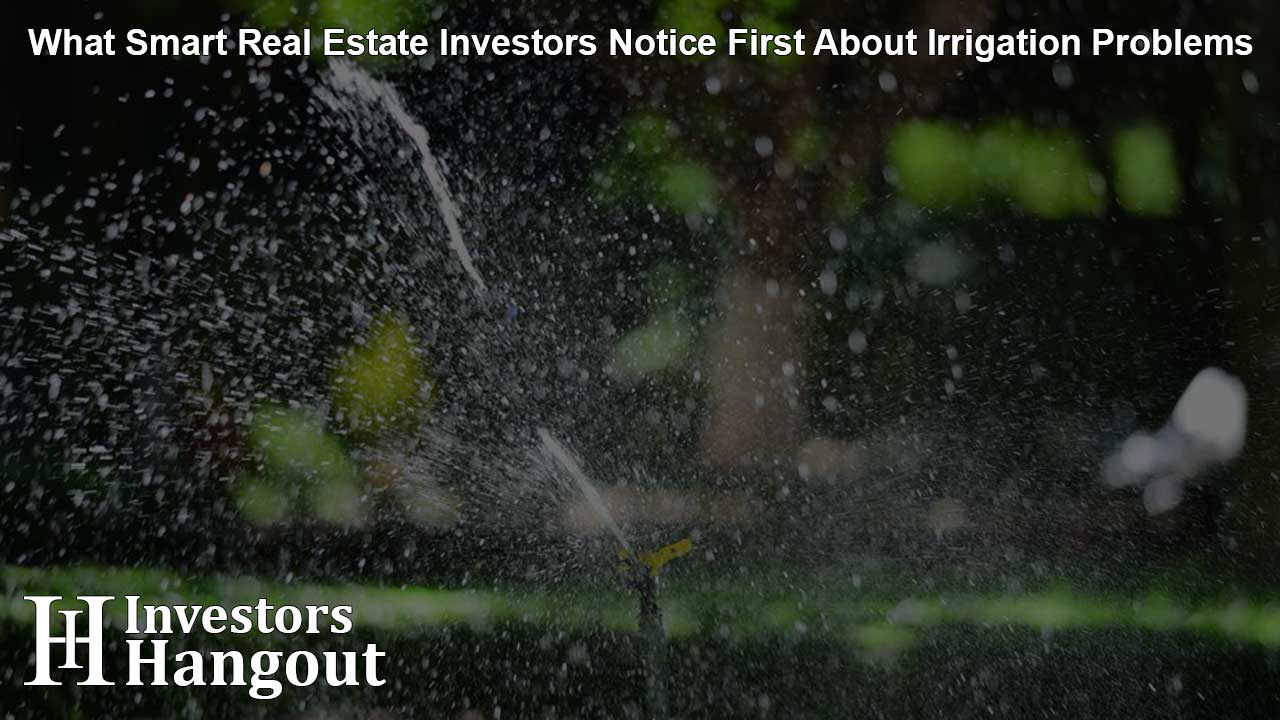
A sprinkler problem usually starts with something easy to ignore. One soggy patch. One dry corner. A head that sprays the sidewalk like it has a personal grudge against concrete. None of that looks dramatic at first.
Then the costs start stacking up. Turf weakens, beds lose color, water bills creep upward, and the property begins to look less cared for. For real estate investors, that visual slip matters. Prospective tenants, buyers, and even appraisers notice landscaping faster than most owners expect.
In places like Nokomis, irrigation systems work hard year-round. Heat, salt exposure, shifting soil, and fast-growing landscapes create wear that doesn’t politely wait for your next budget cycle. A small valve issue can become root damage or drainage trouble if it runs long enough.
Good property oversight often comes down to catching boring problems before they become expensive ones. Irrigation is one of the most boring and most expensive when neglected. Quite the combo.
Landscaping quality affects perceived property value
You don’t need a luxury estate for landscaping to shape value. Even modest residential and small multifamily properties benefit when the exterior looks healthy, consistent, and intentional. Buyers read that as maintenance discipline. Renters read it as a sign management stays on top of things.
When grass is patchy or plant beds look stressed, people don’t only judge the yard. They start wondering what else has been ignored. Roof? HVAC? Drainage? The mind loves a maintenance mystery.
That’s where sprinkler repair in Nokomis fits into a broader property strategy. It’s not just about getting water from point A to point B. It’s about restoring coverage, pressure, timing, and efficiency so the landscape supports the value story you want the property to tell.
A well-watered lawn won’t rescue a weak investment. It will, however, help a solid property present itself like one.
Common warning signs investors and owners should watch
If you’re evaluating a property, walking one you already own, or reviewing maintenance concerns from a tenant or manager, a few irrigation clues deserve extra attention. They often point to repair needs that are already affecting cost or curb appeal.
Watch for signs like:
- Sprinkler heads spraying pavement, fences, or exterior walls
- Areas of lawn that stay brown while nearby sections look fine
- Pools of water that linger after the system shuts off
- Noticeably low water pressure in one zone
- Sudden jumps in the water bill without another clear cause
- Hissing, bubbling, or constantly damp ground near valves or lines
- Plants near foundations getting too much water
These issues can signal broken heads, cracked pipes, controller errors, bad wiring, or valve failures. During due diligence, they’re worth noting alongside roof age, HVAC condition, and drainage patterns. Irrigation defects may look minor, but they often point to deferred maintenance habits.
Why repairs matter during acquisition and hold periods
During acquisition, irrigation problems can strengthen your negotiating position if you document them clearly. A system with poor coverage, leaks, or outdated controls may require immediate work, and that affects short-term capital planning. It may not kill a deal, but it absolutely belongs in the numbers.
During the hold period, repairs help preserve consistency. That matters whether your strategy is rental income, seasonal occupancy, resale preparation, or long-term appreciation. Landscaping stress tends to show up at the worst time, usually right before photos, tours, or lease renewals.
There’s also the issue of waste. Watering sidewalks or over-saturating one area isn’t just sloppy; it’s money leaving the property in broad daylight. Efficient repairs can improve distribution and reduce unnecessary usage without sacrificing appearance.
A healthy irrigation system supports smoother operations. It won’t headline your investment memo, but it can quietly protect margins better than many flashier upgrades.
What a practical repair-first strategy looks like
If you want a useful approach, start simple. Don’t wait for the landscape to fail completely. Build irrigation into regular property reviews, especially before listing, leasing, or entering peak heat periods.
A solid repair-first strategy usually includes:
- Running each irrigation zone and observing spray patterns in real time
- Checking for tilted, clogged, broken, or buried heads
- Reviewing controller settings after storms or power disruptions
- Watching for runoff onto hardscapes or neighboring areas
- Inspecting valves and lines when pressure seems inconsistent
- Adjusting watering schedules based on season and rainfall
- Addressing dry spots early before turf or plants need replacement
For investors with multiple properties, standardized landscape inspections can help. A quick checklist beats reacting to emergency complaints later. It also creates better records for budgeting and vendor coordination.
Think of irrigation repair as operational tuning. Not glamorous, not optional, and often more cost-effective than replacing plants that never had a fair shot.
The bottom line for real estate performance
Strong property performance usually comes from dozens of smaller decisions executed well. Irrigation sits squarely in that category. It affects appearance, maintenance costs, tenant impressions, and how a property holds up in a competitive market.
In Nokomis, where outdoor presentation carries real weight and environmental conditions are tough on landscaping systems, ignoring sprinkler issues can chip away at value faster than owners expect. Paying attention early gives you more control over both expenses and presentation.
If you’re buying, holding, renovating, or preparing to sell, don’t treat irrigation as an afterthought hiding in the grass. Walk the system. Check the coverage. Fix what’s off.
That kind of discipline doesn’t just protect plants. It helps protect the investment underneath them.