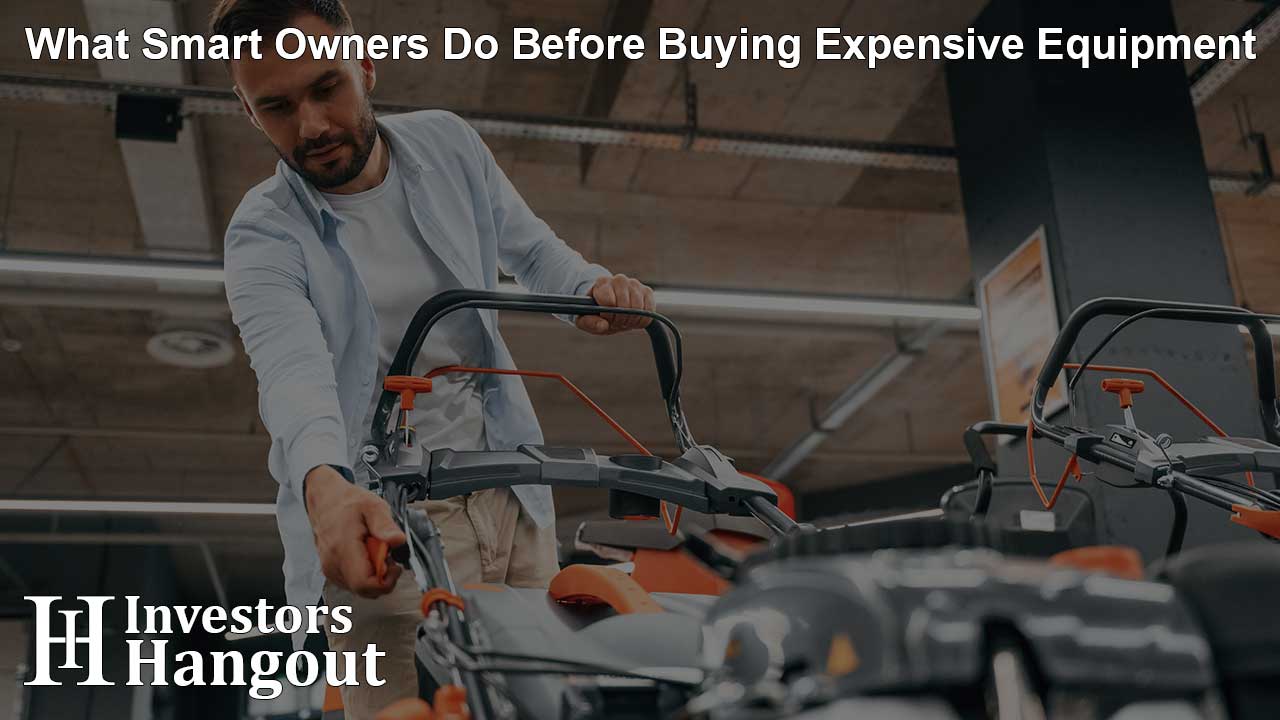
A major equipment purchase shapes a business for years. It ties up cash, sets the pace of daily work, and often locks an owner into a particular way of operating. The decision deserves more than a quick look at the price tag. Smart owners treat these buys as long-term commitments, not one-time transactions. They slow down. They ask harder questions. They look past the upfront cost and study what the machine will actually do for the business over its full life. The steps below reflect how experienced operators approach the moment before they sign.
Define the Problem Before Shopping for a Solution
The biggest mistakes happen when an owner falls for a machine before defining the job it needs to do. A piece of equipment is a tool, not a trophy. So the first move is to write down the specific problem you are trying to solve.
Are you trying to increase output? Reduce labor hours? Improve quality? Replace something that breaks too often? Each of those goals points toward different specifications and different price ranges. Owners who skip this step tend to overbuy. They pay for capacity, features, or speed they will never use, and that extra capability sits idle while the loan or lease payment shows up every month.
Once the problem is clear, the shopping gets sharper. You can compare options against a real standard instead of a sales pitch.
Run the Numbers Past the Sticker Price
The purchase price is only the opening figure. The true cost of a machine includes everything it takes to keep it running and everything it costs you when it stops.
Calculate the Total Cost of Ownership
Total cost of ownership covers the full picture: installation, training, maintenance, repairs, energy use, consumables, insurance, and eventual disposal or resale. A cheaper machine with high upkeep can easily cost more over five years than a pricier model that rarely fails. Map these costs out before you compare quotes. The numbers often rearrange the ranking.
Account for Downtime and Productivity
Equipment earns money only when it works. Ask the vendor about expected uptime, the availability of parts, and how long repairs typically take. A machine that sits broken for two weeks during your busy season can wipe out the savings you celebrated at purchase. Reliability is a financial feature, not a technical detail.
Weigh How You Will Pay for It
Once you trust the numbers, the next question is how to fund the purchase without straining the rest of the business. Paying cash feels clean, but draining your reserves to own a machine outright can leave you exposed when an unexpected expense lands. Cash flow keeps the lights on. Equipment, no matter how productive, does not pay this week's bills on its own.
This is where financing earns a serious look. Spreading the cost over time lets the equipment generate revenue while you pay for it, which is often the whole point of buying it. Many owners explore small business loans precisely for this reason, because matching the payment schedule to the income the machine produces protects working capital and keeps the operation flexible. The right structure depends on your margins, your sales cycle, and how quickly the equipment starts contributing. The wrong structure can turn a smart asset into a monthly burden.
Before you commit to any funding path, compare the total interest cost against the productivity gain. If the equipment clearly pays for itself, financing is a tool. If the math is shaky, no payment plan fixes a weak purchase.
Decide Whether to Buy or Lease
Ownership is not always the goal. Leasing can make sense when technology changes fast, when you need the equipment only seasonally, or when you want to avoid the risk of obsolescence. Buying tends to win when the machine will run for many years, hold its value, and stay central to your operation.
There is no universal answer here. The right call depends on how long you plan to use the equipment and how quickly its category evolves. Run both scenarios side by side. Compare the lifetime cost of leasing against the cost of buying, including resale value at the end. Let the spread between those two numbers guide the decision rather than a gut feeling about ownership.
Vet the Vendor as Carefully as the Machine
A machine is only as dependable as the company standing behind it. Before you buy, study the seller with the same attention you give the equipment.
Look Closely at Support and Warranties
Read the warranty in full and understand exactly what it covers and for how long. Ask how the company handles service calls, whether parts are stocked locally, and how quickly a technician can reach you. A strong warranty and responsive support team can be worth more than a slightly lower price.
Talk to People Who Already Own It
Reviews help, but direct conversations help more. Ask the vendor for references, then actually call them. Owners who already run the equipment will tell you about quirks, hidden costs, and reliability that no brochure mentions. A few honest phone calls can save you from an expensive surprise.
Understand the Tax Implications
Equipment purchases often carry tax advantages that change the real cost of the deal. In the United States, provisions such as Section 179 can allow businesses to deduct the cost of qualifying equipment in the year it is placed in service, and the official rules are published by the IRS. These benefits can meaningfully lower your effective price, but they come with limits and conditions.
Do not guess here. Talk to your accountant before you buy, not after. A short conversation can reveal whether timing your purchase before year-end, or structuring it a certain way, improves your tax position. Smart owners treat the tax angle as part of the buying decision, not an afterthought handled at filing time.
Build the Purchase Into a Larger Plan
A single machine rarely operates in isolation. It needs space, power, trained people, and a place in your workflow. Before you buy, confirm that your facility can support it and that your team can run it well. Free planning resources from the U.S. Small Business Administration can help you connect an equipment decision to your broader growth strategy.
Think about what the purchase enables next. Will it create a bottleneck somewhere else? Will it require you to hire? The best equipment decisions fit a plan that already exists, rather than forcing the business to reshape itself around a new machine.
The Bottom Line
Buying expensive equipment is a test of discipline more than a test of budget. The owners who get it right are not the ones with the most cash. They are the ones who define the need clearly, study the full cost, choose a sensible way to pay, and plan for the machine's place in the business long before it arrives. A great purchase looks obvious in hindsight because so much thinking went in beforehand. Slow down, do the work upfront, and the equipment will reward the patience for years.