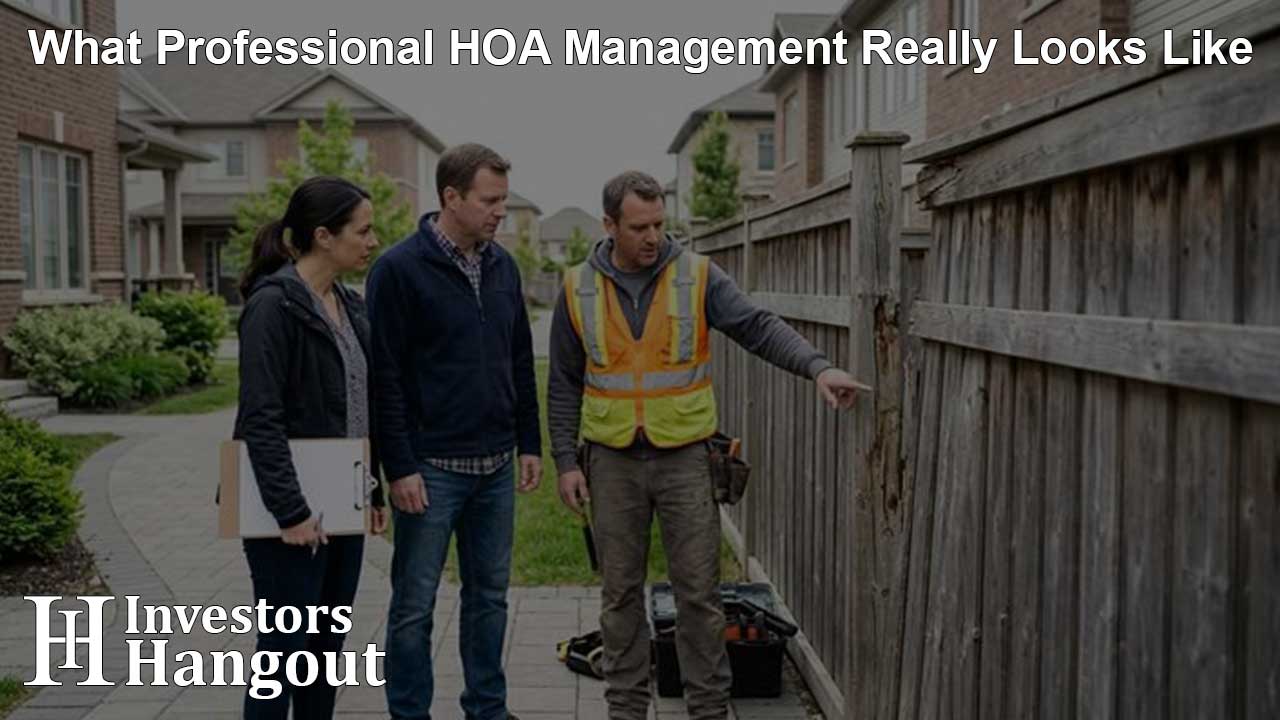
The email arrives at 10 p.m. on a Tuesday. It’s a homeowner complaint about a leaky sprinkler, the third one this week. Meanwhile, you still have three contractor bids for a fence repair to compare, and the HOA’s bank statement isn’t matching your records. For volunteer board members, this probably sounds familiar. You stepped up to serve your community, not to become a part-time property manager, accountant, and person who settles arguments.
This is when burnout becomes a real problem for the community. When daily tasks take up all the board's time and energy, nothing is left for planning ahead. This includes important work like building a savings fund for major repairs or improving community features. Looking into small hoa management companies denver is a way forward. The goal isn't just to hand off tasks. It's to find a partner with expert knowledge in community rules, money, and maintenance.
The right company brings organization and experience. They make sure the HOA follows all the rules and help protect property values. They handle the day-to-day work so the board can focus on its real job: making smart decisions for the community’s future.
Quick answer: A small HOA should think about hiring a professional manager when volunteer burnout makes it hard to do important jobs like watching the money, hiring contractors, and following the law. A good management company has the systems and knowledge to handle daily work. This lets the board lead well instead of getting stuck doing paperwork.
What's inside
· What Are the Real Signs an HOA Needs a Management Company?
· How Do You Evaluate a Management Company's Expertise?
· What Colorado-Specific Issues Should a Management Company Understand?
· Frequently Asked Questions About HOA Management
What Are the Real Signs an HOA Needs a Management Company?
The clearest signs are ongoing volunteer burnout, messy financial records, and rules that are not applied fairly to everyone.
When serving on the board starts to feel like a second, unpaid job, the risk to the community gets bigger. It's not just about the time spent on emails or calling contractors. It's about making sure the rules are applied fairly. When volunteers have too much to do, tasks get delayed, and rule enforcement can become random. One homeowner gets a warning for leaving a trash can out, while another does not. This breaks down trust and can put the HOA at risk of being sued.
Messy finances are an even bigger problem. Without expert help with the money, budgets can be based on guesswork. The savings for major future repairs, like roofs or paving, can be too low. A common problem is the "special assessment." This is a large, surprise bill charged to every homeowner to cover a money shortage that good planning could have avoided.
Ask a potential management company how they handle reserve studies. A reserve study is a long-term savings plan for the community's shared property, like a pool or roof. A company should be able to explain how they estimate future costs, how often the study is updated, and how they share the results with homeowners so everyone understands future money needs.
Finally, there is the issue of following the law. State and local laws that control HOAs are complicated and change over time. For example, the Colorado Common Interest Ownership Act requires HOAs to hold homeowner meetings at least once a year. This is a simple rule, but it is one of many. Missing deadlines for state paperwork, not following proper voting rules, or ignoring new state laws can lead to fines or lawsuits. A professional manager's job is to keep track of these duties.
How Do You Evaluate a Management Company's Expertise?
You should judge a potential company based on their professional qualifications, how clear their work processes are, and how easy their contract is to understand.
Start by checking their qualifications. The community association industry has set standards for professionals. The Community Associations Institute (CAI) offers certifications that show a manager’s promise to keep learning and act ethically. Ask if the managers for your community have titles like Certified Manager of Community Associations (CMCA), Association Management Specialist (AMS), or the highest level, Professional Community Association Manager (PCAM). A company that pays for its staff to get more training is showing it cares about doing a good job.
Next, ask specific questions about their day-to-day work. Unclear answers are a red flag. Instead of asking "How do you handle maintenance?", ask "Walk me through your exact process when a homeowner reports a problem in a shared space. What system do you use to track it, how is a repair person sent out, and how does the board approve the cost and see that the work is done?"
An important thing to ask about is their process for collecting unpaid dues. Ask for their step-by-step timeline. At what point (30, 60, 90 days) are late notices sent? When do they suggest putting a lien on a property? A clear, organized, and legal collections policy is very important for the HOA's financial health. It protects all the homeowners who pay on time.
Finally, carefully read the management contract. Pay close attention to how they charge for services. Is it one monthly fee that covers everything, or do you pay for each service separately, like copies, mail, or after-hours calls? There is no single right way, but you must understand what is and is not included to compare offers fairly. Also, look for the section about ending the contract. A standard contract lets either side end it with 30 to 90 days' notice. Be careful with contracts that last for a very long time or have large fees for ending them early.
What Colorado-Specific Issues Should a Management Company Understand?
A management company in Colorado must be skilled with specific state laws and city rules that directly affect how an HOA works, manages money, plans for big projects, and handles its broader business operations.
Basic office skills are not enough. The set of rules is unique and requires expert knowledge. For example, a company managing properties in Denver must have a deep, real-world understanding of the Energize Denver ordinance. This is a policy that requires larger buildings to meet goals for saving energy by 2030. For an HOA board, this is not a small rule to follow. It can mean the HOA needs to make big, expensive upgrades, like new windows or heating systems. These costs must be planned for in the budget years ahead of time.
Similarly, at the state level, a law called House Bill 22-1137 has changed how HOAs can enforce their rules. The law puts new limits on the fines an HOA can charge and bars it from foreclosing on a home over unpaid fines alone. It also requires more detailed and specific steps for sending violation notices and collecting late dues. A management company that doesn't know all these rules could advise a board to take actions that are no longer allowed by law. This could open up the HOA to be sued by homeowners.
When interviewing a potential company, ask them to describe a real business situation where they helped an HOA board deal with the Energize Denver rules. What were the steps, what problems came up, and how did they help the board explain the plan and its costs to homeowners? Their answer will show how much they really know.
This local knowledge is the difference between reacting to problems and planning ahead. A reactive manager waits for the board to ask about a new law. A proactive business partner brings these issues to the board, explains how they will affect daily work and money, and gives a clear plan for how to follow the rule. They should be able to connect these rules directly to your HOA’s budget, savings plan, and official documents. This makes sure the community is ready for future requirements, not just reacting to current ones.
Frequently Asked Questions About HOA Management
Are professional management companies really worth the cost?
For many communities, yes. A good company often pays for itself by getting better prices on services like landscaping and insurance, and by having a better process for collecting dues. The main value, however, comes from reducing risk. Professional management helps you avoid expensive legal mistakes, surprise bills from poor financial planning, and the drop in property values that can happen with unfair rule enforcement.
How can our board find qualified management firms to interview?
Start by asking for recommendations from board members in nearby communities of a similar size to learn from their experiences. You can also check the professional directory of the Community Associations Institute (CAI). It lists companies and managers who have earned industry certifications. This gives you a list of candidates who are already checked out and serious about their work.
What does a typical management fee structure look like?
Most companies charge a fee per home, per month. The exact price depends on the amount of work they will do. For example, only handling the money costs less than full service that includes visiting the property and managing projects. Always ask what is included in the main fee and what is billed separately. Common extra charges include postage, copies, and attending more meetings than the contract covers.
Should our small HOA use the same management company as a very large one?
Not necessarily. Some firms focus on large associations, while others focus on the needs of smaller communities. A firm that mostly serves smaller HOAs may give more personal attention and have systems that fit a tighter budget. When you interview a company, ask about the typical size of the communities they manage to see if you fit their usual client.
How long does the switch to a new management company take?
A standard transition usually takes 30 to 90 days. This time allows for the careful transfer of all association records, including financial data, owner contact details, vendor contracts, and governing documents. A professional firm should give your board a detailed transition plan and checklist so the handover is smooth and organized.
Choosing a Partner, Not Just a Provider
Selecting a management company is really about choosing a business partner in leading the community, not just hiring a vendor to handle paperwork. The cheapest option may look good, but it rarely accounts for the cost of missed legal deadlines, poorly run repair projects, or lawsuits from uneven rule enforcement. The real value is a firm's ability to give advice ahead of time based on expert knowledge of HOA law, money, and local rules.
The most telling part of your search will not be the company's brochures, but their answers to your specific, real-world business questions. A good firm can explain its exact process for everything from handling a repair request to working through a complex rule like the Energize Denver ordinance. Clear answers on these details are the best sign of the service you will actually get.
In the end, the right management partner makes the volunteer board's job more focused and effective. They provide the structure, information, and planning the board needs to make sound business decisions. This moves the board from handling daily crises to caring for the community's long-term future, protecting property values for everyone.
About the Community Association Industry Contributor.
This article is contributed by the team at Cap Management, a Denver-based firm specializing in homeowners association management for communities across Colorado. The firm provides financial administration, project oversight, and community leadership support, with a focus on technology and sustainable practices. Its work helps volunteer HOA boards handle complex local rules and carry out long-term plans for the financial health of the communities they serve.