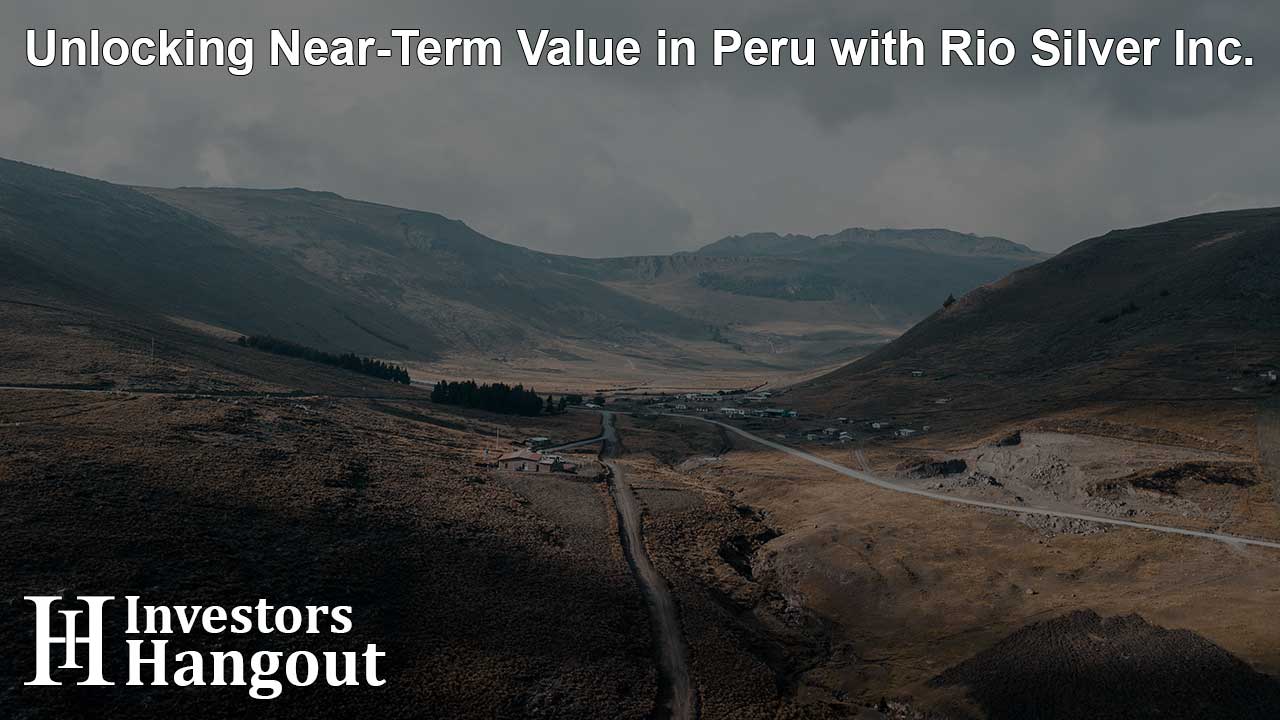
Silver has now reached a tipping point of rising industrial demand and structural deficits on the supply side. Silver, in addition to its traditional safe-haven asset role, is a critical component in high-tech electronics, electric vehicles and solar technology. For resource investors seeking concentrated exposure to this precious metal, junior exploration companies with high-grade assets provide significant upside potential. A good example is the flagship asset in South America, where dedicated exploration teams are laying the groundwork for major mineral growth.
By focusing on projects that have both rich mineralization and access to existing infrastructure, we can develop in a capital-efficient manner.
A High-Grade Asset in a Proven District
Silver exploration opportunities are judged primarily on geological setting, location and proven mineralization. The Maria Norte Project is a good example of the historical Huancavelica Huachocolpa Mining District. This asset places the exploration team in a historic silver producing region with a long history of underground mining.
Geological setting: The property is characterized by a robust low sulphidation polymetallic vein and breccia system. Independent verification sampling at Maria Norte has confirmed high silver values with credits of gold, lead and zinc. Impressive results have been obtained with surface and channel sampling including chip samples with high levels of concentration. Surface mineralization presence provides direct target access and reduces early stage exploration risks.
Low Capex Pathway & Strategic Infrastructure
One of the big challenges for early-stage mining is the costly construction of processing plants and transport infrastructure. Having a high-grade silver project Peru investors keep an eye on offers a definite advantage when surrounding infrastructure is already in place.
The Maria Norte Project is located in proximity to operating processing plants. This allows the company to follow a low-capital development path using toll milling rather than building costly onsite mills. This approach reduces initial capital costs and shortens time to possible production due to year-round road access and established regional logistics.
Main Drivers for Resource Investors:
Favorable Jurisdiction: The area is one of the world’s premier silver producing regions with an experienced local workforce, rich mining history and a well-established regulatory framework.
Clean Ownership Structure: 100% owned asset with no royalties below it, allowing shareholders to capture full value creation.
District Scale Upside: Several mineralized vein structures including the Castor, Maria and Pamela veins remain open along strike and at depth indicating potential for long-term resource expansion.
Good Metallurgical Results: Early testing on project samples showed high silver recoveries using conventional flotation techniques, and clean concentrates for marketing.
Growth Strategy Perspective
As global industrial demand continues to erode silver supplies, companies with high-grade assets in proven districts could draw market attention. The combination of surface-exposed mineralization, low-cost development options and strong community support means the core property is systematically de-risked. For investors looking for leveraged exposure to silver in a friendly mining jurisdiction, high-grade polymetallic assets with clear infrastructure advantages offer a compelling risk-reward profile.