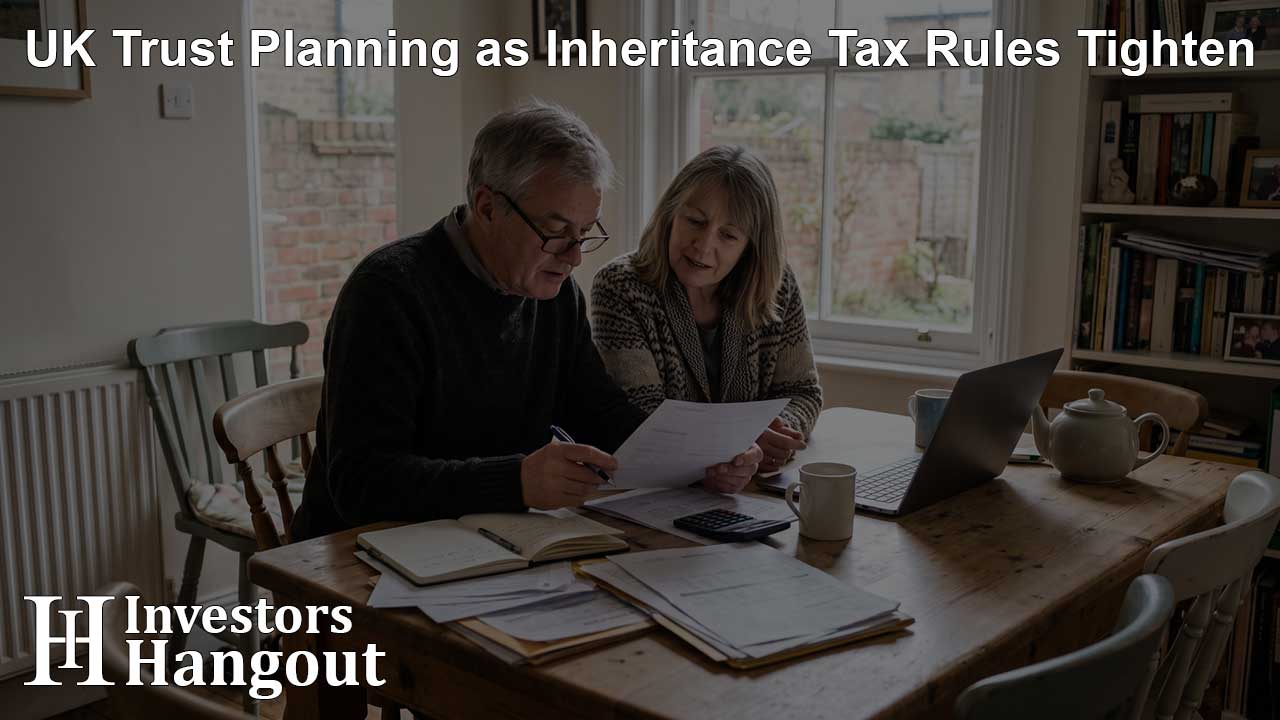
For most of the past decade, UK inheritance tax was something wealthier families worried about and everyone else ignored. That is changing. Thresholds have been frozen for years, property and portfolio values have climbed, and from April 2027 most unused pension pots will be counted as part of an estate. Investors who spent years building wealth in the most tax-efficient wrappers available are discovering that a 40% charge on death could take a large slice of it.
That shift has pushed an old planning tool back into focus. Trusts, long seen as something reserved for landed estates, are now being discussed by ordinary investors with a house, a portfolio and a pension. Understanding how a trust can reduce inheritance tax starts with understanding the problem it is meant to solve.
The Numbers That Matter
Every individual in the UK has a nil-rate band of £325,000. Pass on your home to children or grandchildren, and a residence nil-rate band of up to £175,000 can be added, although it tapers away for estates worth more than £2 million. Both are frozen until April 2031. Married couples and civil partners can pass unused allowances to each other, so a couple can potentially leave up to £1 million before tax applies.
Above those thresholds, the standard rate is 40%. With the allowances fixed and asset values rising, more estates cross the line each year without anyone deciding they should. Adding pensions to the calculation from 2027 will push many more over.
What a Trust Actually Does
At its simplest, a trust is a legal arrangement in which assets are held by trustees for the benefit of others. Once assets are placed into the right kind of trust and the person making the gift survives for seven years, those assets usually fall outside their estate for inheritance tax purposes.
The appeal for investors is control. An outright gift to a child hands over the money immediately and completely. A trust lets you decide who benefits, when and on what terms, which matters when beneficiaries are young, when relationships might change, or when you simply want assets managed carefully for longer.
The Main Types Investors Use
A bare trust is the most straightforward. The beneficiary is fixed and becomes entitled to the assets at 18 in England and Wales. From a personal finance perspective, gifts into a bare trust are treated as potentially exempt transfers, so they fall outside the estate after seven years.
A discretionary trust gives trustees flexibility over who benefits and when. That flexibility comes with more complex tax treatment. Gifts above the available nil-rate band can face an immediate 20% charge, and the trust itself may pay periodic charges of up to 6% every ten years, plus exit charges when assets leave.
For investors who still need an income, specialist structures exist. A discounted gift trust lets you invest a lump sum, take a fixed income for life and receive an immediate reduction in the value of your estate. A loan trust lets you lend money to a trust, keep the right to have the loan repaid, and move any growth outside your estate from day one.
Life insurance is often overlooked in personal finance and estate planning. A policy written in trust pays out directly to beneficiaries rather than into the estate, so it can provide cash to cover an inheritance tax bill without adding to it.
The Rules That Trip People Up
The most common mistake is the gift with reservation of benefit. Put your home into trust but keep living in it rent-free, and HMRC will usually treat it as still part of your estate. The same applies to any asset you give away but continue to benefit from.
Timing matters as well. The seven-year clock starts on the date of the gift, and taper relief can reduce the tax due on gifts made between three and seven years before death. Starting earlier generally means a better outcome.
Simple exemptions also deserve attention before anything more complex. Everyone can give away £3,000 a year free of inheritance tax, and regular gifts made from surplus income, rather than capital, can be exempt immediately if they are properly documented.
Planning With the Whole Picture in View
A trust is not a product to buy off the shelf. The right structure depends on how much income you need, how your wealth is split between property, investments and pensions, who you want to benefit and how much control you want to keep. Trusts also have their own reporting requirements and, in many cases, need registering with HMRC.
Handled well, the result can be a substantial saving for the next generation and a clear plan for how wealth passes on. For investors who have spent decades growing their assets, a few hours spent thinking about how that wealth leaves their hands is time well spent.