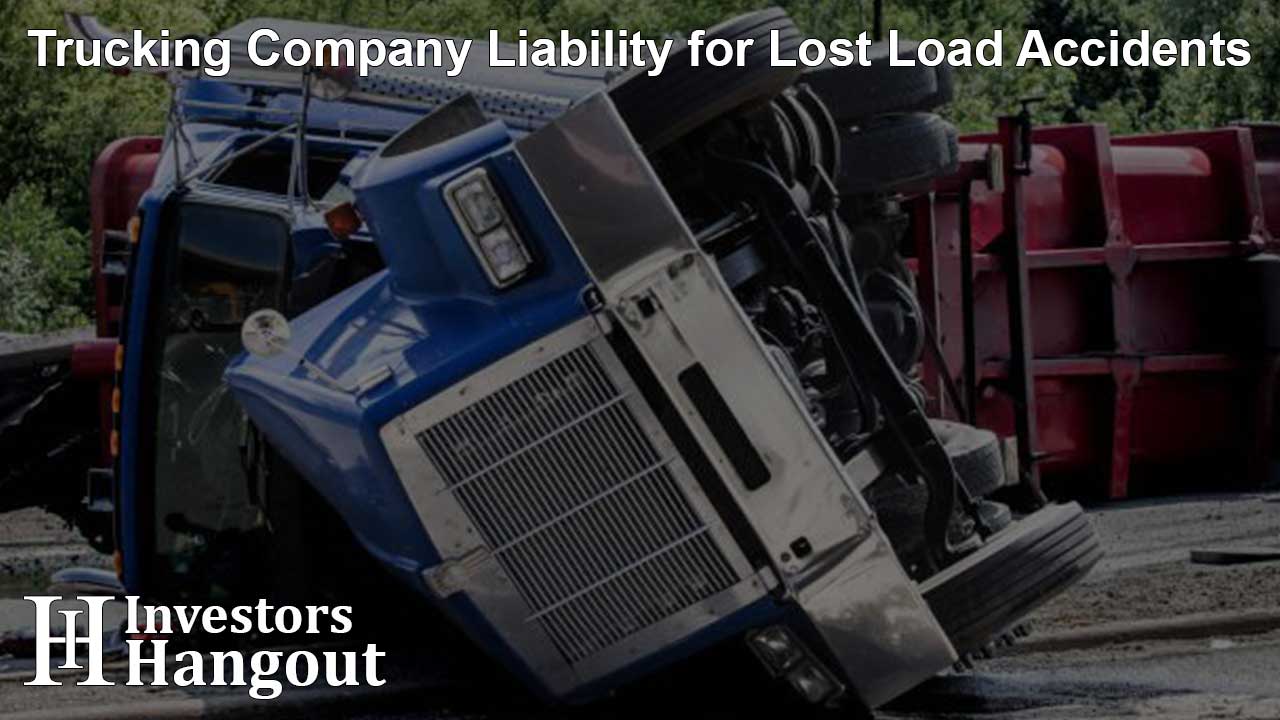
A lost-load accident can cause serious injuries, property damage, and dangerous road conditions. When cargo falls from a truck during a test drive, questions often arise about who is responsible. Although test drives are typically associated with vehicle inspections or repairs, trucking companies may still face liability if negligence, unsafe cargo handling, or inadequate vehicle maintenance contributes to the accident.
Understanding how lost load accidents happen and who controls the vehicle and its cargo can help establish whether a trucking company should be held legally responsible.
When Can a Trucking Company Be Held Liable?
A trucking company may be responsible when its employee or authorized driver causes an accident through negligent conduct. For example, if a driver takes a truck on a test drive without confirming that its cargo is properly secured, the company could face a claim if the load falls and injures another road user.
Liability may also arise when a company fails to maintain safe equipment, train employees adequately, or establish procedures for inspecting vehicles before they are driven. The specific circumstances, applicable laws, and relationship between the driver and company determine whether the company can be held accountable.
Does a Test Drive Change Liability?
A test drive does not automatically eliminate a trucking company's legal responsibilities. The purpose of the drive, who authorized it, and whether the vehicle was being used for company business can all influence the outcome.
If a company mechanic, employee, or designated driver operates the truck as part of an inspection or repair process, the company may be liable for negligent actions performed within the scope of employment. However, if an independent repair shop conducts the test drive, responsibility may depend on the service agreement, the shop's conduct, and the company's level of involvement.
The central question is whether a party failed to exercise reasonable care and whether that failure contributed to the accident.
Who Else May Share Responsibility?
A lost-load accident may involve several parties. The driver could be liable for failing to inspect the load, while a repair shop may be responsible if its employee negligently handled the truck during testing. A shipper or loading contractor may also share fault if cargo was improperly positioned or secured before the vehicle arrived for inspection.
The trucking company’s responsibility depends on its role, control, and any failures that contributed to the incident. Liability is not automatic simply because the truck belongs to the company.
Evidence That Can Support a Claim
A careful investigation can help identify what happened and who was responsible. Useful evidence may include photographs of the scene, the fallen cargo, damaged straps or chains, maintenance records, inspection reports, and statements from witnesses. Dashcam footage, nearby surveillance recordings, and vehicle data may also help establish the truck’s movements and the timing of the load loss.
Records showing who authorized the test drive and why it occurred can be particularly important. Preserving evidence promptly may prevent essential details from being lost.
Key Takeaways
-
A test drive does not automatically shield a trucking company from liability.
-
Responsibility may depend on driver negligence, cargo securement, vehicle maintenance, and company procedures.
-
Repair shops, loaders, shippers, and other parties may share fault.
-
Photographs, inspection records, video, and witness statements can help establish the cause.
-
Applicable laws and the specific facts determine whether compensation may be available.
Ultimately, a trucking company can face liability when its negligence or the conduct of someone acting on its behalf contributes to a lost-load accident during a test drive. A fact-specific investigation is essential to determine responsibility. Legal review can clarify responsibility.