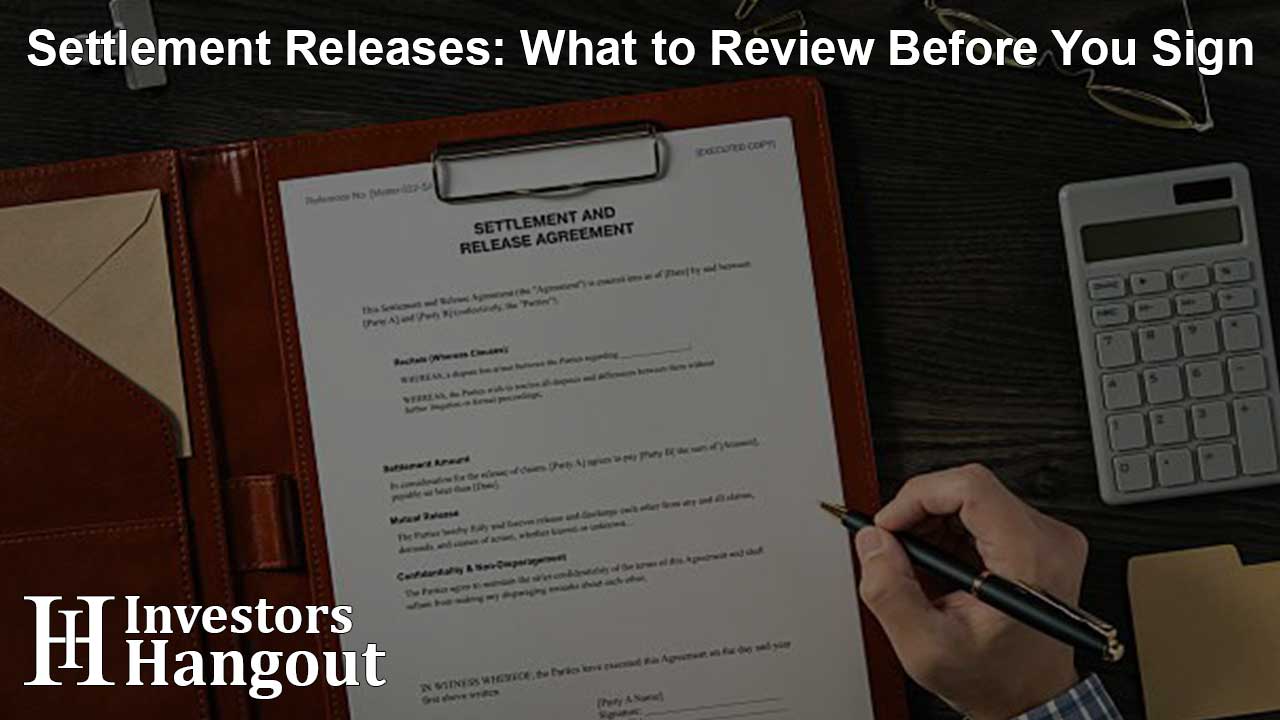
A settlement release is an important legal document that can affect your right to seek compensation after an accident. Before signing one, it is essential to understand what claims you are giving up, whether the settlement amount adequately covers your losses, and how the agreement may affect your ability to pursue additional compensation in the future.
After an accident, you may face medical expenses, lost wages, rehabilitation costs, and other financial challenges. Understanding the amount of compensation you may recover after an accident can help you evaluate a settlement offer and determine whether it fairly accounts for your injuries and related losses. Taking time to review the terms of a settlement release can help you make an informed decision before accepting payment.
What Is a Settlement Release?
A settlement release is a legal agreement in which an injured person agrees to give up certain claims in exchange for compensation. From a personal finance perspective, the amount and timing of that compensation can have a significant effect on medical bills, lost income, debt, and future expenses. It is commonly used to resolve personal injury claims involving car accidents, slip-and-fall incidents, workplace-related accidents, and other situations involving negligence.
When you sign a release, you generally agree that the responsible party or insurance company no longer owes you compensation for the claims covered by the agreement. The exact scope depends on the document's wording and the applicable law.
Settlement releases often include language stating that the payment resolves all claims arising from the accident, including certain known and unknown injuries. This means you should carefully review the agreement before signing it.
What Should You Review Before Signing a Settlement Release?
Before accepting a settlement, take time to understand the terms and conditions of the release. Pay particular attention to the following factors:
-
Scope of the release: Determine which claims, injuries, and losses are covered by the agreement.
-
Settlement amount: Confirm the total payment and whether it adequately addresses your medical expenses, lost income, pain and suffering, and other eligible damages.
-
Future medical expenses: Consider whether you may need additional treatment, rehabilitation, medication, or long-term care.
-
Unknown injuries: Understand whether the release prevents you from seeking additional compensation if new symptoms or complications develop later.
-
Payment terms: Review how and when the settlement will be paid and whether any deductions may apply.
If any provision is unclear, consider having an attorney review the document before you sign it.
Can You Seek Additional Compensation After Signing a Release?
In many cases, signing a settlement release makes it difficult to pursue further compensation for injuries arising from the same accident. Once the agreement becomes binding, you generally cannot reopen the claim simply because your medical condition worsens or your expenses increase.
For example, you may accept a settlement after an initial medical examination, only to discover weeks later that you need surgery or extended rehabilitation. If the release covers those injuries and related losses, obtaining additional compensation may be challenging.
Exceptions may exist depending on the circumstances, such as certain issues involving fraud, misrepresentation, or other legally recognized grounds for challenging an agreement. However, these exceptions are limited and depend on the applicable law and specific facts.
For this reason, it is often wise to understand the full extent of your injuries and discuss possible future medical needs with your healthcare provider before agreeing to a final settlement.
How Does a Settlement Release Affect Your Compensation?
A settlement release can determine whether you receive any additional payment after the claim is resolved. If the agreement covers all accident-related claims, the settlement amount may be your final recovery from the released party.
Your compensation may depend on several factors, including:
-
The severity and duration of your injuries
-
Medical expenses already incurred and reasonably anticipated future costs
-
Lost wages and potential loss of earning capacity
-
Pain, suffering, and the impact of the injury on daily activities
-
Available insurance coverage and the evidence supporting liability
Before signing, evaluate whether the proposed amount reflects your current losses and the potential long-term consequences of the accident. Accepting an offer too early may leave you responsible for expenses that were not fully considered during negotiations.
Should You Consult an Attorney Before Signing?
Consulting a personal injury attorney can help you understand the legal consequences of a settlement release. An attorney can review the agreement, identify provisions that may limit your rights, and assess whether the proposed settlement reasonably accounts for your losses.
Legal guidance may be especially helpful if you have ongoing symptoms, disputed liability, significant medical expenses, or uncertainty about your future recovery. An attorney can also explain applicable deadlines and whether accepting the settlement would prevent you from pursuing other available claims.
You should never feel pressured to sign a settlement release before you understand its terms. Asking questions and obtaining professional advice can help you avoid unintended consequences.