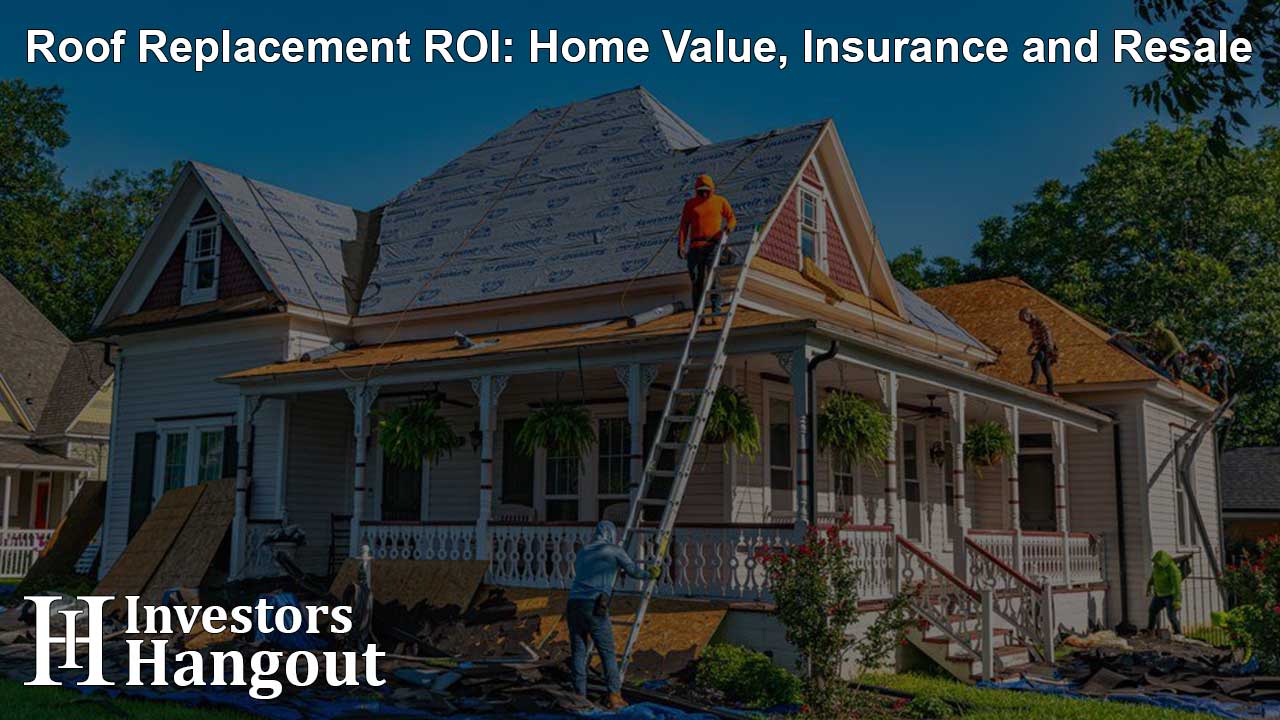
If you own a home in Tenino, your roof affects more than appearance. Rain, damp winters, tree debris, and moss make roof condition a financial and real estate concern. A sound roof protects the structure and supports buyer confidence, insurance discussions, and resale.
Why Roof Age Matters: Buyer Confidence and Negotiations
Buyers often notice missing or curling shingles, sagging lines, stains, and heavy moss during a viewing. Even without roofing expertise, they may interpret these signs as future expense. Visible deterioration can lead to questions about remaining service life and possible hidden damage.
An aging roof does not automatically reduce a home's value by the full cost of replacement. Its effect depends on comparable real estate sales, condition, local demand, and buyer expectations. However, it can become a negotiation point. Buyers may request repairs, seek a price adjustment, or ask for further inspection before proceeding.
For an asphalt-shingle roof approaching the end of its expected service life, the issue is not simply whether it keeps out rain today. It is how much uncertainty its condition creates for the next owner. Inspection findings and maintenance records can help answer that question.
If you are weighing roof replacement in Tenino, consider more than visible shingle wear. The decision can affect buyer confidence, insurance questions, and the timing of a sale.
How Local Conditions Affect Roof Life: Moisture and Maintenance
Homes in and around Tenino experience wet seasons and persistent moisture. Shade from trees, leaves and needles, and clogged gutters can keep roof surfaces damp. Moss and algae may develop while flashing, sealants, and drainage components gradually wear.
These conditions do not mean every roof needs early replacement. They make regular checks and timely maintenance important. Debris in valleys or gutters can interfere with drainage, while damaged flashing around chimneys, vents, and roof-to-wall intersections can let water enter even when shingles look serviceable.
Replacing Before Listing: When It Can Help
A replacement completed before listing can make a real estate property easier to present. Instead of asking buyers to estimate the cost and timing of a major project, you can provide the installation date, materials, contractor details, and warranty information.
That certainty may appeal to buyers who want to avoid a major repair after closing. It can reduce late inspection disputes and give sellers more control over contractor selection and scheduling.
Replacement is not automatically the best financial decision. The cost may not be fully reflected in the real estate sale price, particularly if comparable homes do not support a premium. Compare a professional assessment and written estimates with the likely effect of selling as-is or offering a reasonable credit.
Insurance and Financing: Why Roof Condition Matters
Insurers may consider roof age, materials, visible condition, maintenance, and previous claims when deciding whether to offer coverage and on what terms. Requirements differ by company and policy. An older roof may prompt an inspection, questions, coverage limitations, or a premium difference, but none of these outcomes is universal.
Buyers need suitable homeowners insurance as part of preparing for a real estate closing. If the roof raises concerns during underwriting, they may need more documentation or have to explore other coverage options. This can delay a transaction even when mortgage financing is progressing.
A roof problem does not automatically prevent mortgage approval. However, significant deterioration or evidence of active leaks may prompt further review or repair requests. A new roof can reduce one source of uncertainty, but it cannot guarantee insurance approval or financing.
What Inspectors Look For: Visible and Hidden Warning Signs
Common warning signs include missing, cracked, curling, or blistering shingles; exposed fasteners; worn pipe boots; damaged flashing; and areas where water does not drain properly. Inside, inspectors may look for staining, damp insulation, poor attic ventilation, or evidence of previous leaks.
Moss deserves attention in damp climates. Heavy growth can retain moisture and may lift shingle edges or interfere with drainage. Its presence alone does not prove that replacement is necessary; the extent of growth and the condition of the underlying materials matter.
Repair or Replace: Make the Decision From Evidence
A full replacement is not necessary whenever a roof develops a problem. If damage is isolated, the roof is relatively young, and surrounding materials remain sound, a targeted repair may be appropriate. A professional can determine whether it will integrate properly with the existing roof.
Replacement deserves consideration when leaks recur, deterioration is widespread, shingles are failing across multiple slopes, or repairs no longer provide dependable results. For real estate owners, assessing the entire roofing system rather than focusing only on the most visible defect can support a more informed decision.
Ask the contractor to examine flashing, underlayment where accessible, decking, ventilation, drainage, and roof penetrations. Request an itemized estimate explaining tear-off, disposal, possible decking repairs, materials, warranties, and exclusions. Comparing the work included—not just the headline price—helps you evaluate quotes fairly.
Choosing Materials and Timing: Plan the Whole Project
Drier periods may make scheduling easier, but experienced contractors can explain how they manage work during other seasons. If the roof is actively leaking, waiting for a preferred season may allow damage to spread.
Architectural asphalt shingles are familiar to many homeowners, but material choice should reflect roof design, budget, building requirements, and manufacturer specifications. Ventilation, flashing, underlayment, and installation quality also influence performance. Ask about cleanup, workmanship warranties, material warranties, and who will handle required approvals.
Permit rules depend on property jurisdiction and project scope. Thurston County says ordinary roof repair and replacement generally do not require a county building permit, but structural changes or changes to roof pitch or slope may. Its permit guidance applies to county-regulated properties; owners within Tenino should confirm requirements with the City.
Protecting the Roof After Installation: Keep Useful Records
A new roof still needs routine care. The National Roofing Contractors Association recommends periodic inspections and maintenance, including checks for deterioration and debris. Its guidance on maintaining residential roof systems also advises homeowners to leave roof access and repairs to people with appropriate experience and equipment.
A Financial Decision Beyond the Exterior: Think About Risk
A roof replacement is both a maintenance expense and a decision about marketability. It can improve presentation, reduce concerns about near-term repairs, and give buyers useful documentation. It may also make insurance discussions easier, although coverage and pricing remain the insurer's decision.
If you plan to stay, a sound roof helps protect the home from water damage. If you plan to sell, an honest assessment can help you choose between repair, replacement, or a sale with appropriate disclosure. The best decision is not always the newest roof; it is the one supported by the roof's actual condition, realistic costs, and your plans for the property. Save every invoice and warranty. A clear assessment, realistic budget, and project records give you a stronger basis for deciding when to act and explaining the work to buyers.