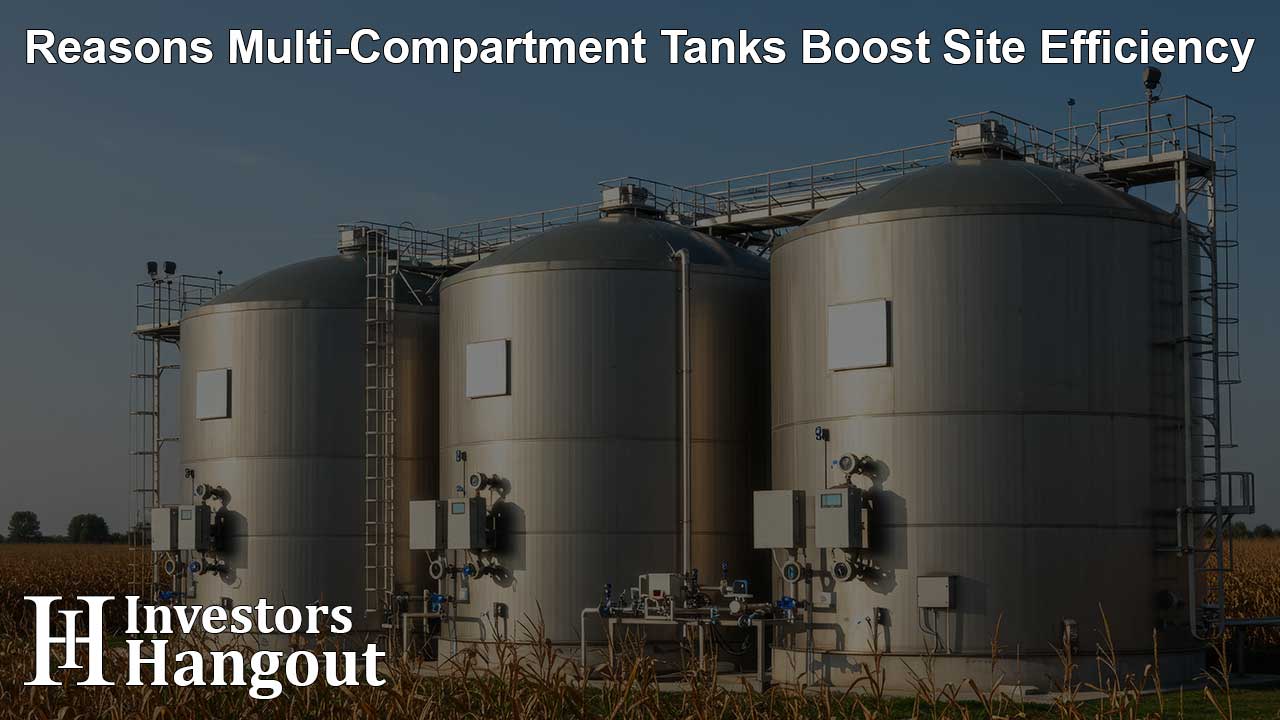
Sites that handle more than one liquid product often lose time and space to separate storage units, repeated transfers, and awkward layout demands. Multi-compartment tanks help solve that problem by allowing different liquids to be stored within a single tank structure, which can improve handling, simplify workflows, and support better use of operational space. For industries managing chemicals, water, additives, or process liquids, that can translate into more efficient day-to-day site performance.
Reduces the Need for Multiple Tanks
One of the clearest reasons multi-compartment tanks improve site efficiency is that they reduce the number of separate tanks needed on site. Instead of installing individual units for each liquid, operators can store compatible products in designated sections within one system. That helps free up floor space, reduce congestion, and make site planning more straightforward.
This can also simplify sourcing and system design, especially when businesses are reviewing options through providers like Tank Management supplier of industrial tanks and storage systems. A more consolidated storage setup often makes it easier to match equipment to site needs without building an overly complicated tank arrangement from the start.
Makes Product Handling More Efficient
When several liquids are used within the same process, having them stored in one tank system can reduce unnecessary movement across the site. Staff do not need to move between multiple storage points as often, and transfer lines can often be planned more efficiently. That can save time during filling, dispensing, and routine operations.
This is particularly useful in sites where speed and consistency matter. In agricultural, mining, brewing, and chemical environments, even small reductions in handling steps can improve workflow and reduce delays. A better-organised storage point helps keep operations moving without as many interruptions.
Supports Better Process Control
Multi-compartment tanks can help businesses manage different liquids with greater consistency by keeping related products close together while still separated internally. This is useful when a site needs to handle multiple grades, additives, or liquid inputs as part of one broader process. The setup can support smoother batching, measured dispensing, and more predictable operations.
From an efficiency perspective, this reduces the friction that comes from scattered storage. Teams can spend less time coordinating across separate systems and more time focusing on output. In environments where timing and product control matter, operational simplicity can make a noticeable difference.
Improves Site Layout
A site with fewer standalone tanks is usually easier to organise. Multi-compartment systems allow operators to make better use of available space, which matters in facilities where storage areas also need room for access paths, loading zones, and spill containment measures. A more compact footprint can support cleaner layouts and safer movement around the work area.
Better layout efficiency can also make it easier to separate storage from processing or dispatch activities. Rather than expanding outward with more equipment, sites can often improve capacity and functionality within the same operational zone. That is a practical benefit where space is limited or costly to reconfigure.
Can Lower Maintenance Complexity
While tank design always depends on the application, a well-planned multi-compartment system can reduce the number of external units that need inspection, cleaning, and maintenance. Fewer separate tanks may mean fewer fittings, fewer access points, and less supporting infrastructure to manage across the site. That can help reduce downtime linked to maintenance planning.
It can also make routine oversight easier for site teams. Instead of monitoring several disconnected storage assets, operators may be able to manage storage more centrally. Over time, that can contribute to more efficient maintenance scheduling and less disruption to normal site activity.
Why the Right Tank Setup Matters
Multi-compartment tanks boost site efficiency because they help reduce clutter, improve product handling, support better layouts, and simplify ongoing operations. For sites managing several liquids at once, this makes them a practical storage option rather than just a space-saving one. When the tank setup aligns with the way a site actually works, efficiency improvements are often felt across storage, handling, maintenance, and daily workflow.