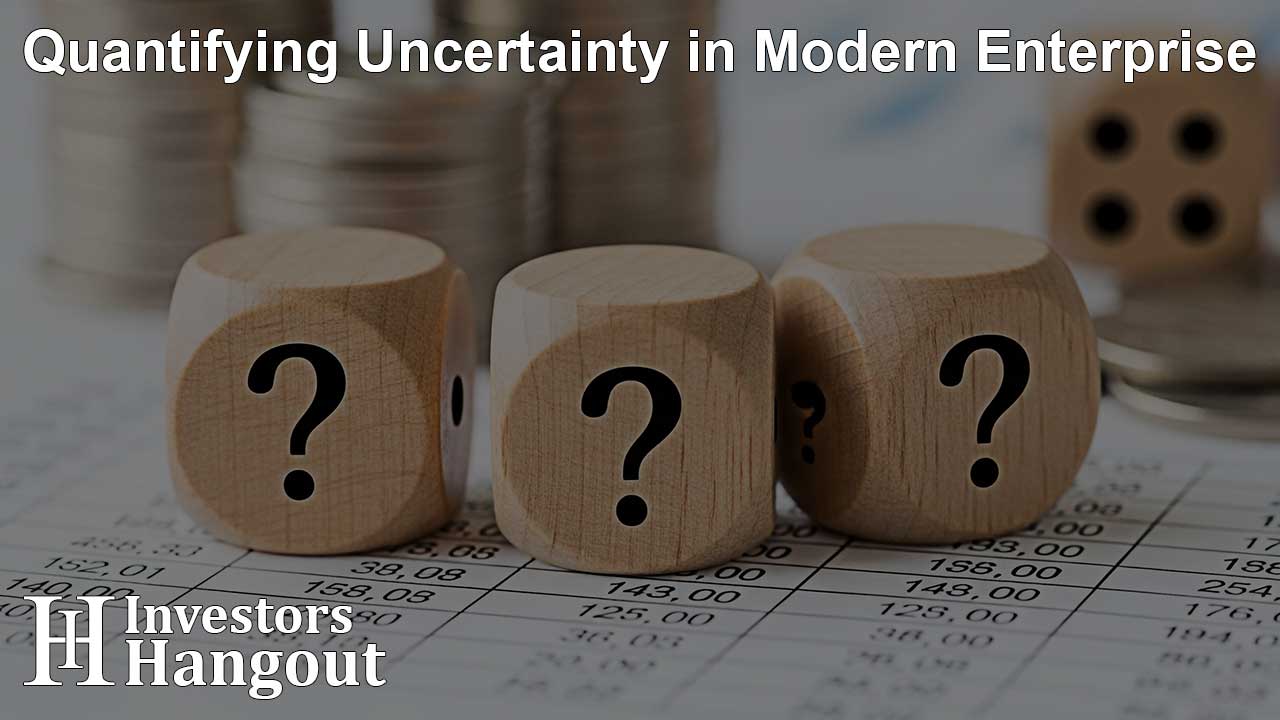
In the current economic climate, "risk" is no longer a localized concern for the compliance department; it is the primary driver of shareholder value. For investors and C-suite executives alike, the ability to distinguish between manageable volatility and systemic threat is the difference between a resilient portfolio and a cautionary tale.
The Evolution of Risk Mitigation
Traditional risk management often relies on historical precedent—a "rear-view mirror" approach that frequently fails during black swan events or rapid market shifts. Today, forward-thinking firms are moving toward predictive modeling. By engaging business risk management consultants, organizations can build frameworks that identify "weak signals" in the market before they manifest as balance sheet liabilities.
The Power of Actuarial Precision
While many see risk as a qualitative hurdle, the most successful enterprises treat it as a mathematical asset. This is where the intersection of high-level finance and data science becomes critical. Leveraging actuarial analysis for risk-related decision-making allows a firm to move beyond guesswork.
Actuaries bring a level of statistical rigor that translates uncertainty into a measurable cost of capital. This process typically involves:
-
Stochastic Modeling: Running thousands of simulations to determine the probability of various financial outcomes.
-
Liability Forecasting: Understanding the long-term impact of current contractual and market obligations.
-
Capital Allocation: Ensuring that reserves are optimized—neither so thin that they invite ruin, nor so bloated that they stifle growth.
Risk as a Competitive Advantage
For the investor, a company’s risk management posture is a leading indicator of its long-term viability. Organizations that integrate actuarial science into their broader business strategy are better equipped to handle interest rate fluctuations, regulatory shifts, and supply chain disruptions.
When risk is quantified, it can be priced. When it is priced, it can be mastered. In a marketplace defined by uncertainty, the most valuable companies are those that don't just avoid risk, but understand exactly how much of it they are carrying—and why.