I apologize for the length, but do some DD on what I'm showing you.....if you need any links I will be happy to provide them.
The Delaware County, PA case (CV-2019-008314) is the proof of concept. It confirms that the promoters have used this exact setup before:
Solicit capital for a "cannabis patch."
Claim impending mergers with Univec and imminent distribution deals with doctors and pharmacies.
Quietly move the capital while the product fails to materialize, eventually going silent when investors ask hard questions.
By analyzing the current 11 Three pitch deck through the lens of their past legal dockets, I stripped away the high-tech pharmaceutical facade to reveal a simple, unpatented retail CBD patch wrapped in a familiar capital-raising scheme. The press release explicitly states: "11 Three LLC is an advanced transdermal technology partner based at the University of Maryland BioPark in Baltimore, MD." .
The pitch deck states that their performance is "verified" by the University of Maryland Applied Pharmaceutics Lab (APhL).
The Reality: APhL is a fee-for-service, contract testing lab housed within the School of Pharmacy. It functions like a commercial business.
Anyone...from a large pharma company to a local startup, or even a random individual—can pay a fee, send them a sample, and have them run basic physical testing (such as adhesive peel-strength or standard chemical analysis).
The promoters pay a small fee for basic, standard lab testing of their generic patch adhesive, and then spin that transaction in their pitch deck as "Institutional validation and scientific testing verified by the University of Maryland." Institutional Validation vs. Fee-For-Service
There is a massive legal and scientific difference between scientific testing and institutional validation:
Institutional Validation/Endorsement: This means the University itself sponsors, co-develops, or officially stands behind the technology, usually through exclusive patent licensing deals or clinical trial partnerships.
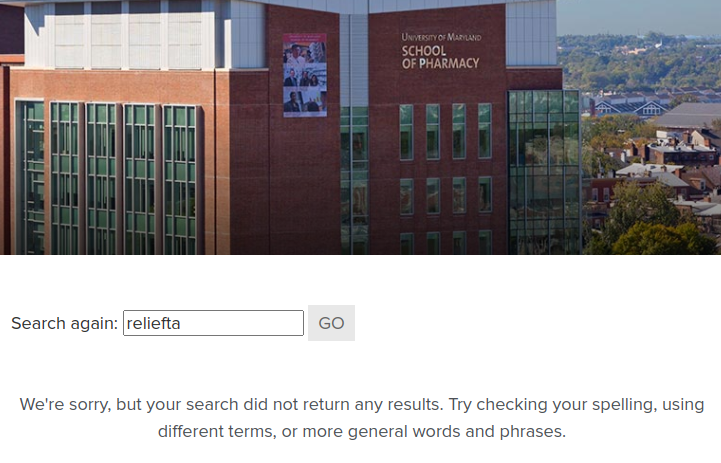
If this were true, there would be official press releases from the University, and searching "Reliefta" or "11 Three" on the school's website would yield research papers, articles, or official directory listings.
My Search Result: Returned absolutely zero results proves the University of Maryland does not recognize, license, or officially endorse "Reliefta." The school has no official association with the product. The name "Reliefta" does not exist in any of their scientific registries or official databases.
I've proved the "SENDS" patent application was ceased/abandoned.
Proved there is no FDA-registered NDC number for the product.
And now, I've proved that the University of Maryland has zero record of the technology or product they claim was "institutionally validated."
This exposes how absurd the 11 Three / Univec pitch really is.
When you look at the multi-billion-dollar titans of the industry—companies like Jazz Pharmaceuticals (which bought GW Pharmaceuticals for $7.2 billion) and pioneers like Mary’s Medicinals—they own the actual, legally defensible, and heavily guarded patents for transdermal cannabinoid delivery.
Yet, despite their billions of dollars, army of lawyers, and massive research facilities, none of them have ever gotten an FDA-approved, insurance-reimbursable NDC for a cannabinoid patch.
The Giants with Actual IP Failed to Get a Patch NDC
Mary’s Medicinals: They are the undisputed, original pioneers of the commercial cannabis transdermal patch (holding key patents on transdermal delivery of cannabinoids). Despite their massive market share in legal state dispensaries, they operate strictly in the state-regulated cannabis/supplement space. They do not have—and have never claimed to have—an FDA-approved prescription NDC number for their patches because the FDA does not recognize them as prescription drugs.
Jazz/GW Pharmaceuticals: GW Pharmaceuticals spent decades and hundreds of millions of dollars successfully pushing Epidiolex (an oral solution) through the grueling FDA Phase III trial pipeline to get the only real plant-derived cannabinoid NDC in US history. They also poured immense resources into trying to get Sativex (an oral spray) approved in the US, but faced massive clinical trial hurdles. If a transdermal patch were a viable, fast-track shortcut to a prescription NDC, a $7.2 billion pharmaceutical behemoth like Jazz/GW would have dominated that space years ago.
Landrace tried to copy and change some wording...smaller operations look at the highly complex, valid patent portfolios of companies like Mary's Medicinals or academic institutions. They try to draft a "new" patent application (like the SENDS platform) by slightly altering the chemical carrier, the surfactant ratios, or the legal verbiage to make it look like a unique, proprietary invention to unsophisticated investors.
The USPTO (Patent Office) easily spots these recycled formulations, which is why the Landrace "SENDS" patent application was officially Ceased and Abandoned. They couldn't get the patent approved because the actual science of putting cannabinoids into transdermal carriers is already heavily patented by the real players, or it exists in the public domain.
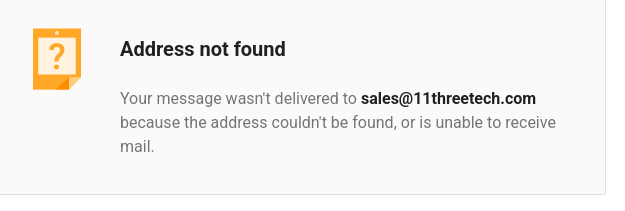
If the global giants with the actual patents, the scientific infrastructure, and the billions in capital couldn't get a cannabinoid patch approved by the FDA as an insurance-reimbursable prescription drug, how on earth is a non-existent LLC with a broken email address and an abandoned patent going to do it?
PL
The Delaware County, PA case (CV-2019-008314) is the proof of concept. It confirms that the promoters have used this exact setup before:
Solicit capital for a "cannabis patch."
Claim impending mergers with Univec and imminent distribution deals with doctors and pharmacies.
Quietly move the capital while the product fails to materialize, eventually going silent when investors ask hard questions.
By analyzing the current 11 Three pitch deck through the lens of their past legal dockets, I stripped away the high-tech pharmaceutical facade to reveal a simple, unpatented retail CBD patch wrapped in a familiar capital-raising scheme. The press release explicitly states: "11 Three LLC is an advanced transdermal technology partner based at the University of Maryland BioPark in Baltimore, MD." .
The pitch deck states that their performance is "verified" by the University of Maryland Applied Pharmaceutics Lab (APhL).
The Reality: APhL is a fee-for-service, contract testing lab housed within the School of Pharmacy. It functions like a commercial business.
Anyone...from a large pharma company to a local startup, or even a random individual—can pay a fee, send them a sample, and have them run basic physical testing (such as adhesive peel-strength or standard chemical analysis).
The promoters pay a small fee for basic, standard lab testing of their generic patch adhesive, and then spin that transaction in their pitch deck as "Institutional validation and scientific testing verified by the University of Maryland." Institutional Validation vs. Fee-For-Service
There is a massive legal and scientific difference between scientific testing and institutional validation:
Institutional Validation/Endorsement: This means the University itself sponsors, co-develops, or officially stands behind the technology, usually through exclusive patent licensing deals or clinical trial partnerships.
If this were true, there would be official press releases from the University, and searching "Reliefta" or "11 Three" on the school's website would yield research papers, articles, or official directory listings.
My Search Result: Returned absolutely zero results proves the University of Maryland does not recognize, license, or officially endorse "Reliefta." The school has no official association with the product. The name "Reliefta" does not exist in any of their scientific registries or official databases.
I've proved the "SENDS" patent application was ceased/abandoned.
Proved there is no FDA-registered NDC number for the product.
And now, I've proved that the University of Maryland has zero record of the technology or product they claim was "institutionally validated."
This exposes how absurd the 11 Three / Univec pitch really is.
When you look at the multi-billion-dollar titans of the industry—companies like Jazz Pharmaceuticals (which bought GW Pharmaceuticals for $7.2 billion) and pioneers like Mary’s Medicinals—they own the actual, legally defensible, and heavily guarded patents for transdermal cannabinoid delivery.
Yet, despite their billions of dollars, army of lawyers, and massive research facilities, none of them have ever gotten an FDA-approved, insurance-reimbursable NDC for a cannabinoid patch.
The Giants with Actual IP Failed to Get a Patch NDC
Mary’s Medicinals: They are the undisputed, original pioneers of the commercial cannabis transdermal patch (holding key patents on transdermal delivery of cannabinoids). Despite their massive market share in legal state dispensaries, they operate strictly in the state-regulated cannabis/supplement space. They do not have—and have never claimed to have—an FDA-approved prescription NDC number for their patches because the FDA does not recognize them as prescription drugs.
Jazz/GW Pharmaceuticals: GW Pharmaceuticals spent decades and hundreds of millions of dollars successfully pushing Epidiolex (an oral solution) through the grueling FDA Phase III trial pipeline to get the only real plant-derived cannabinoid NDC in US history. They also poured immense resources into trying to get Sativex (an oral spray) approved in the US, but faced massive clinical trial hurdles. If a transdermal patch were a viable, fast-track shortcut to a prescription NDC, a $7.2 billion pharmaceutical behemoth like Jazz/GW would have dominated that space years ago.
Landrace tried to copy and change some wording...smaller operations look at the highly complex, valid patent portfolios of companies like Mary's Medicinals or academic institutions. They try to draft a "new" patent application (like the SENDS platform) by slightly altering the chemical carrier, the surfactant ratios, or the legal verbiage to make it look like a unique, proprietary invention to unsophisticated investors.
The USPTO (Patent Office) easily spots these recycled formulations, which is why the Landrace "SENDS" patent application was officially Ceased and Abandoned. They couldn't get the patent approved because the actual science of putting cannabinoids into transdermal carriers is already heavily patented by the real players, or it exists in the public domain.
If the global giants with the actual patents, the scientific infrastructure, and the billions in capital couldn't get a cannabinoid patch approved by the FDA as an insurance-reimbursable prescription drug, how on earth is a non-existent LLC with a broken email address and an abandoned patent going to do it?
PL
3