Fidel Castro, Communist Former Leader of Cuba, Dies at 90
Regime withstood U.S.-sponsored Bay of Pigs invasion
Castro survived at least eight assassination plots by CIA
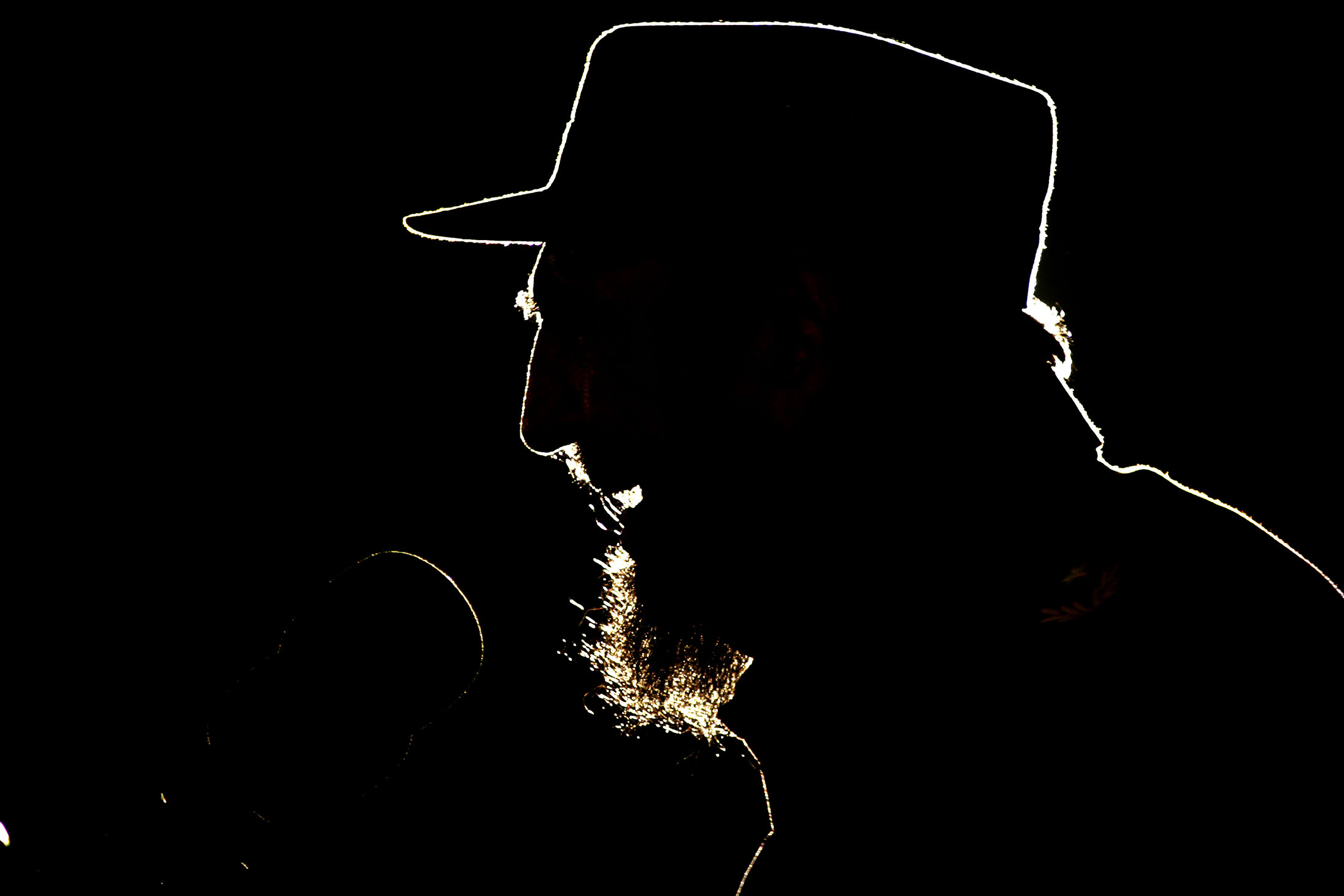
Fidel Castro, who established a communist regime in Cuba that survived the collapse of the Soviet Union, inspired revolutionary movements and brought two superpowers close to nuclear war before stepping down after 49 years in power, has died. He was 90.
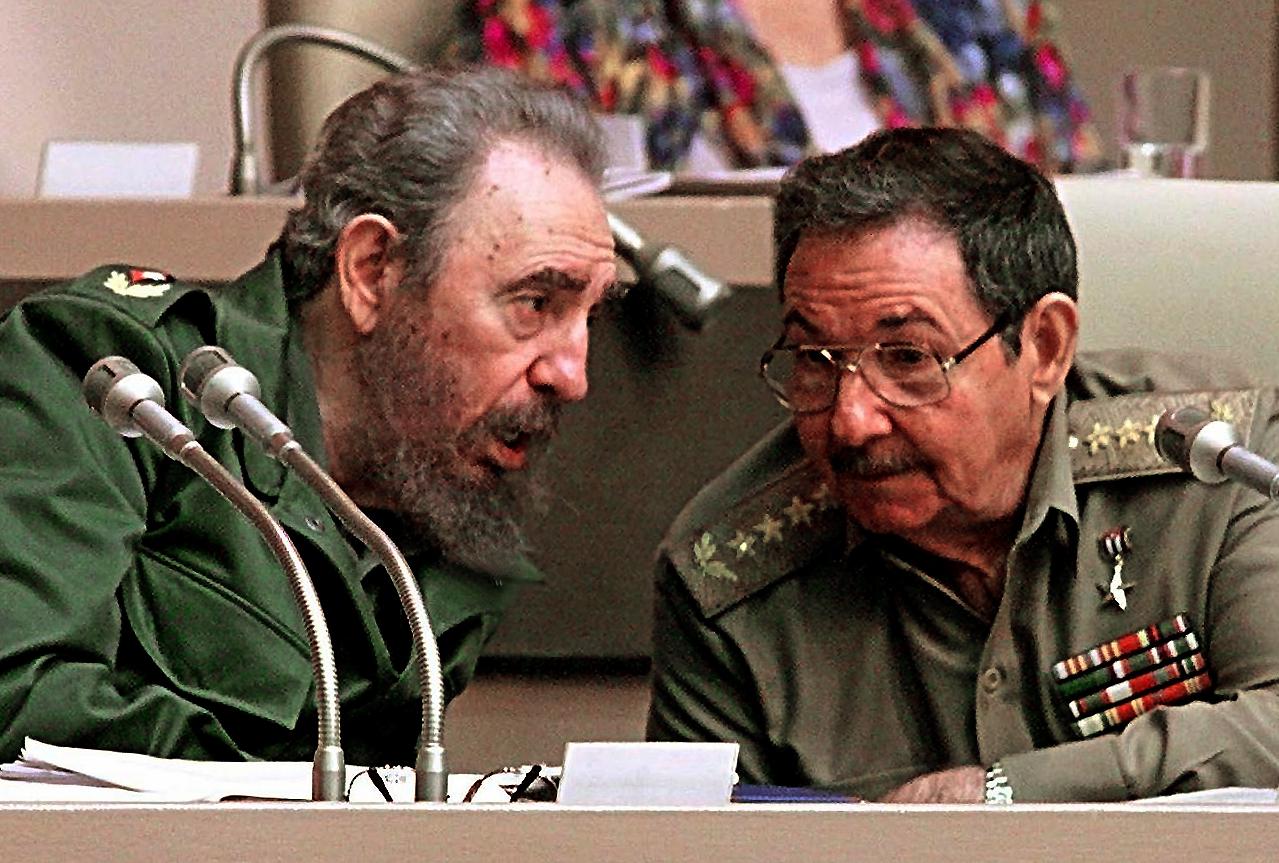
The former leader died at 10:29 p.m. Friday local time, his brother President Raul Castro, who has ruled the country since 2006, said on state media Nov. 25. He will be cremated early on Saturday and the government set a funeral for Dec. 4.
Reaction to his death, like his life, was deeply divided. World leaders including South Africa’s President Jacob Zuma, India’s Prime Minister Narendra Modi and several Latin American politicians issued statements and tweets highlighting Castro’s achievements and extolling his virtues.
U.S. President-elect Donald Trump kept it simple, tweeting to his 16 million followers: “Fidel Castro is dead!”
Venezuelan President Nicolás Maduro tweeted: “To all the revolutionaries of the world, we have to continue with his legacy and his flag of independence, of socialism, of homeland.”
At the same time, crowds of exiled Cubans and their supporters gathered on the streets of Miami to celebrate the passing of a sometimes unyielding ruler who divided families and ruled with an iron fist. Havana, meanwhile, remained quiet.
Cuban Revolution
French President Francois Hollande wrote in a statement that Castro “embodied the Cuban revolution, in the hopes it had aroused and then in the disillusions it had provoked” and expressed his condolences to Raoul, his family and the Cuban people.
The Cuban government said public events to mark Castro’s death will begin Monday, with a rally a day later at Plaza de la Revolucion in Havana and then a three-day procession to carry his ashes to Santiago de Cuba for a funeral on Dec. 4.
“This strong and wise man always looked with confidence to the future” wrote Russian President Vladimir Putin, emphasizing the relationship between the two countries. In a telegram read on China Central Television, President Xi Jinping said Castro was the founder of Cuban communism, and a “great figure in our times and history.”
One of the world’s longest-serving political leaders, Fidel Castro led rebel forces that wrested control of Cuba from Fulgencio Batista in 1959. As prime minister and then president, Castro boosted literacy and health care for the island’s poor, while imprisoning thousands of dissidents, seizing private property and sparking an exodus of Cubans who braved dangerous waters on homemade rafts to reach U.S. shores.
It’s not yet clear how Castro’s passing will impact the delicate detente between the U.S. and Cuba. Relations between the two countries have thawed since 2014, with President Barack Obama visiting Cuba this year and promising to ease sanctions that have crippled the island’s economy for half a century. However, on the campaign trail President-elect Donald Trump criticized Obama for making “concessions” to the regime.
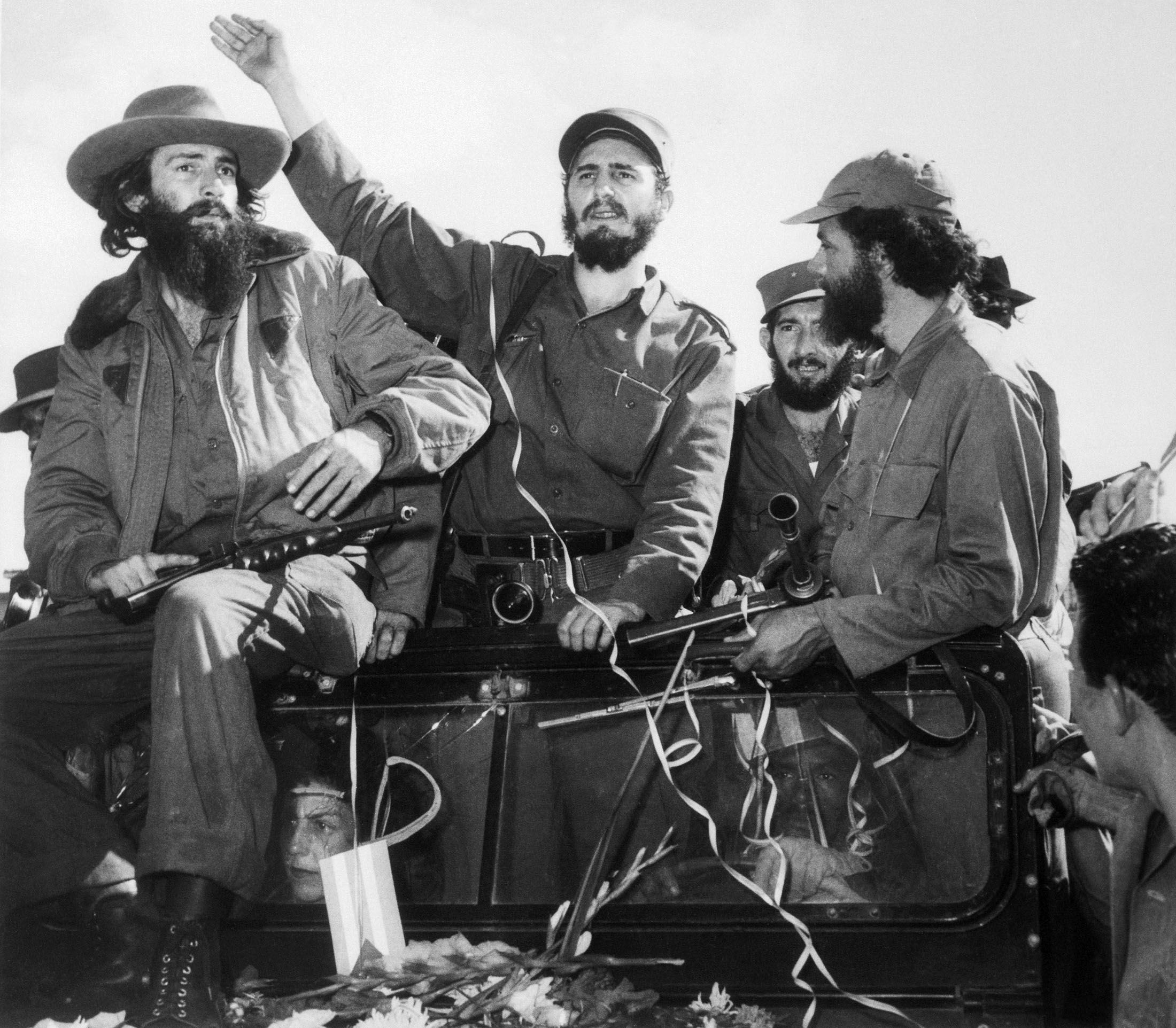
The bearded Castro claimed a place on the world stage at the height of the Cold War by making Cuba an outpost of the Soviet Union only 90 miles (145 kilometers) from Florida. He pushed the superpowers toward nuclear war in the Cuban Missile Crisis of 1962 and gave military and political support to revolutionary groups and Marxist governments in Latin America and Africa, cementing his reputation as a foe of the U.S.
Deep Impact
“Starting in the 1960s, Cuba has been a huge player, disproportionate to its size, on the world stage and that’s largely because of Fidel,” said Geoff Thale, program director at the Washington Office on Latin America. “Cuba and Fidel are the symbol of the little guy standing up against the hemispheric giant. People still have this romantic image of Cuba as a symbol of revolution.”
His regime withstood a U.S.-sponsored invasion, known as the Bay of Pigs, in 1961, while he personally survived at least eight assassination plots by the Central Intelligence Agency.
Castro always defended the Cuban revolution.
“I have not one iota of regret about what we’ve done in our country and the way we’ve organized our society,” he told author Ignacio Ramonet for “Fidel Castro: My Life,” an oral history published in 2006.
That year, he started to ease his grip on power when he ceded temporary control to his younger brother, Raul, while recovering from surgery. He resigned as president and commander-in-chief in favor of Raul on Feb. 19, 2008. The switch of leadership led to reform, though not the democracy that successive U.S. presidents and generations of Cuban-Americans had hoped for.
Recognizing Revolution
On Dec. 17, 2014, President Obama announced plans to restore diplomatic relations and ease the five-decade embargo on the island, steps many Cubans and Cuban-Americans thought would never occur in Fidel’s lifetime.
The following month, Castro lent his support to a thaw in relations while remaining skeptical of U.S. motives.
“I do not trust the policy of the United States nor have I exchanged a word with them,” he wrote in a letter published by state media. “This does not mean, however, that I would oppose a peaceful solution to conflicts or threats of war.”
In March 2016, President Obama visited the island nation. “I have come here to bury the last remnant of the Cold War in the Americas,” he said.
Fidel Alejandro Castro Ruz was born on Aug. 13, 1926, in Biran, Cuba, one of seven children fathered by Angel Castro y Argiz, a Spanish immigrant laborer, with Castro’s mother, Lina Ruz Gonzales, a member of the household staff.
Castro was sent to schools run by the Roman Catholic Marist and Jesuit religious orders. He was passionate about baseball and was named Cuba’s “outstanding collegiate athlete” in high school.
He told author Ramonet that his rebellious streak developed early. “I didn’t like authority, because at that time there was also a lot of corporal punishment, a slap on the head or a belt taken to you,” Castro said.
Law School
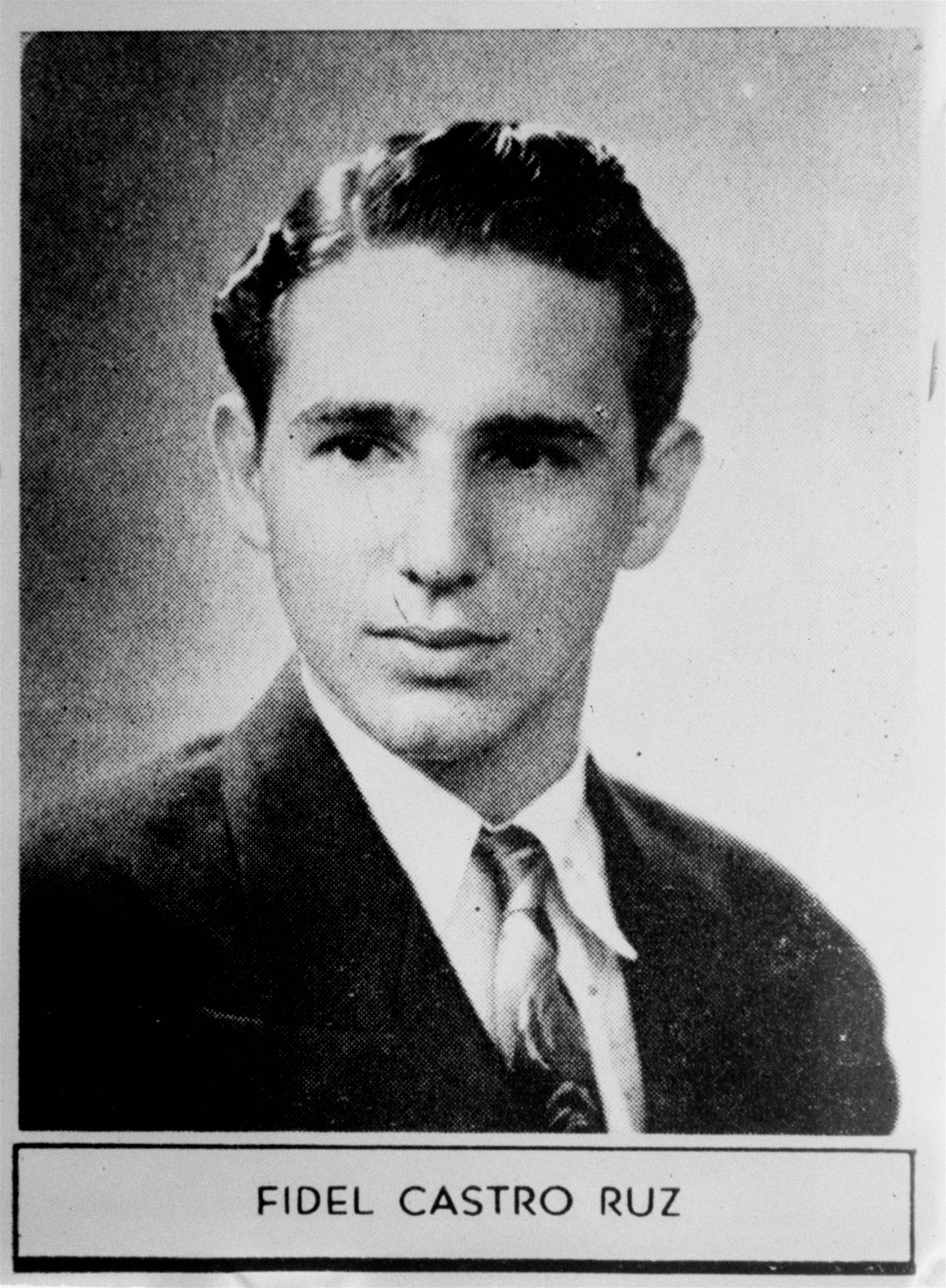
In 1945, Castro enrolled in law school at the University of Havana and took his first steps into revolutionary politics.
While still in school, the future Cuban leader joined 1,200 men who set out to invade the Dominican Republic and overthrow dictator Rafael Trujillo. The Cuban navy turned the expedition back.
In 1952, two years after receiving a law degree, Castro ran for Cuba’s Chamber of Deputies. The race ended when Batista, then a general in Cuba’s military, staged a coup and canceled elections.
Castro led about 165 men in an attack on army barracks the following year, hoping to spark a popular uprising. The troops killed eight of his men and executed scores when the fighting was over. The survivors fled and were later captured and tried.
Representing himself at the trial, Castro gave a two-hour speech that ended with an often-cited declaration: “History will absolve me.” He was sentenced to 15 years in prison and released after two years as part of a general amnesty.
In Exile
Castro went into exile in Mexico, where he joined forces with Argentine communist revolutionary Ernesto “Che” Guevara.
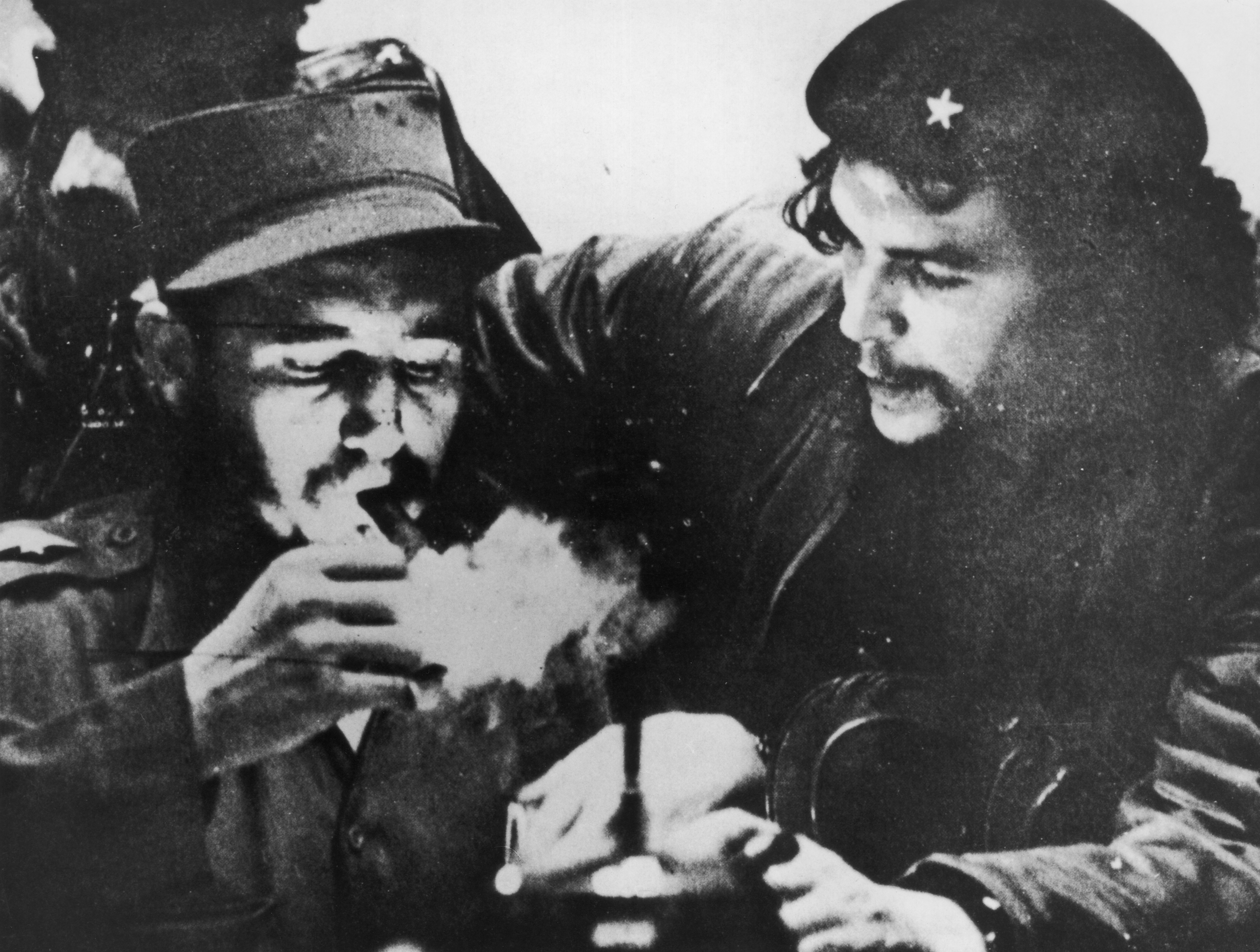
In 1956, the two crossed the Caribbean with about 80 men on a yacht called the Granma to start a guerrilla campaign against Batista. Cuban forces killed all but 12 on landing.
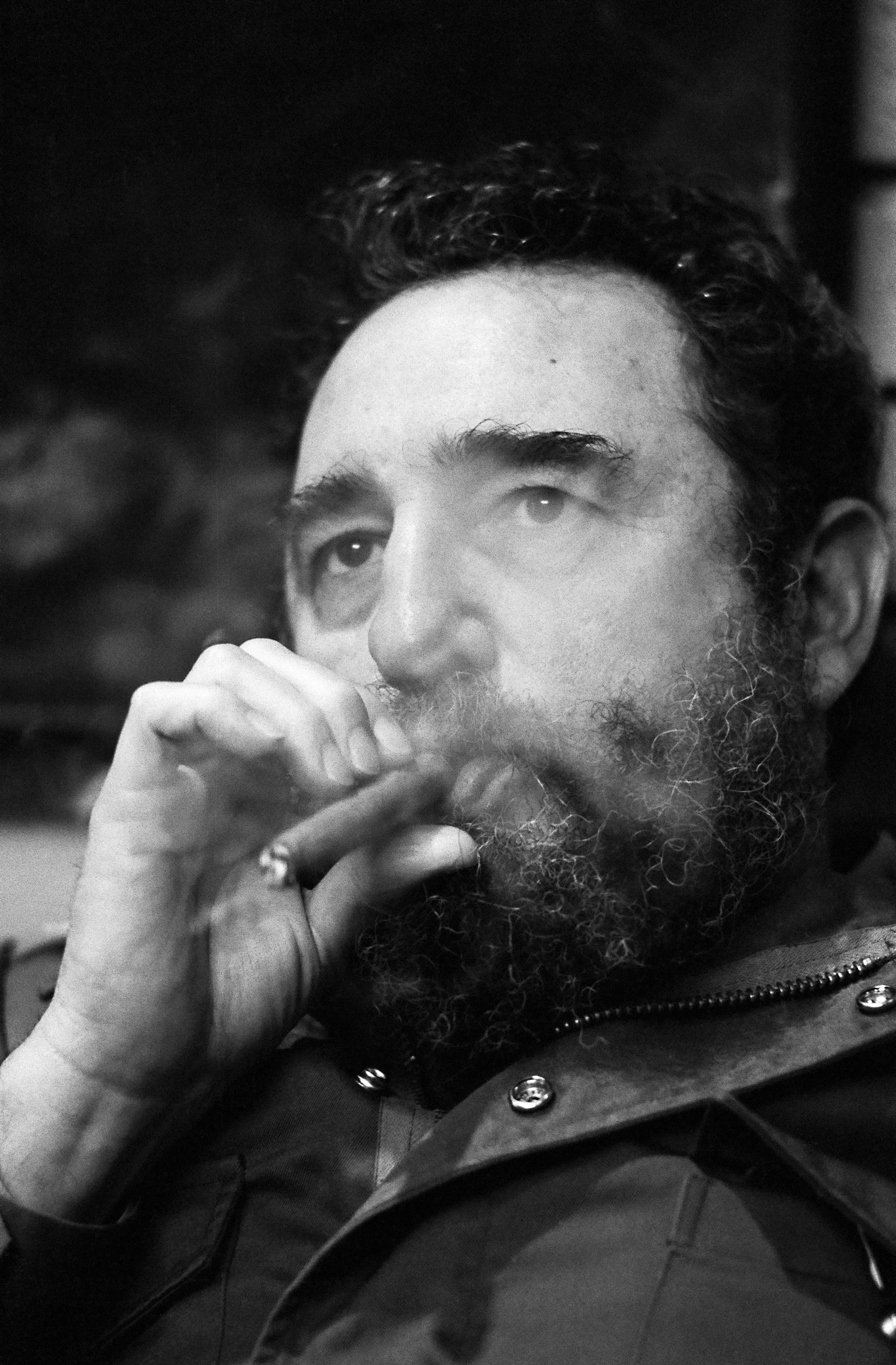
Castro retreated into the Sierra Maestra mountains with the survivors. There, he grew the beard that would become his trademark.
“Everybody just let their beards and hair grow, and that turned into a kind of badge of identity,” he told Ramonet.
Castro’s rebels rallied public support, and on Jan. 1, 1959, drove Batista into exile. Castro was 32.
Over the next two years, transforming Cuba into a communist dictatorship, Castro seized land and nationalized sugar mills, ranches and oil refineries owned by U.S. interests. His government imprisoned or killed political opponents, declared the country atheist and closed 400 Catholic schools.
U.S. Embargo
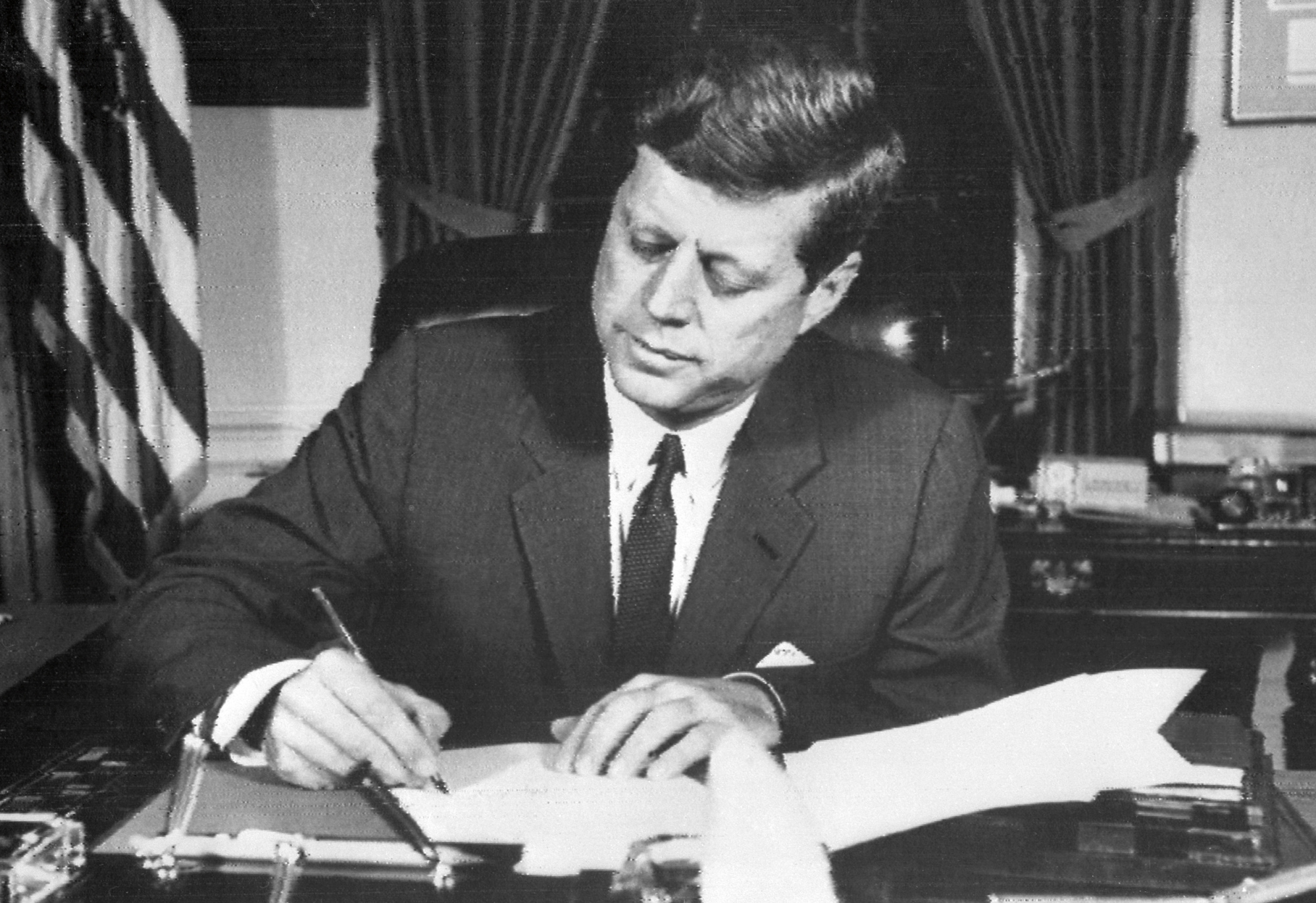
In 1962, U.S. President John F. Kennedy imposed a trade embargo, which was continued under successive U.S. leaders, depriving Cuba of its largest trade partner and starving the economy of dollars. In 2014, the government claimed the U.S. embargo had cost the island $117 billion.
From 1960 to 1965, the CIA mounted at least eight assassination plots against Castro, according to the 1975 report of a U.S. Senate committee headed by Senator Frank Church, a Democrat from Idaho.
“I’ve survived 600 attempts on my life,” Castro said in Cordoba, Argentina, in July 2006.
The Bay of Pigs invasion was authorized by President John F. Kennedy. On April 17, 1961, refugees armed by the CIA staged an amphibious landing at the bay on the island’s southwest coast with the goal of sparking an uprising. Castro’s forces killed more than 100 invaders and captured more than 1,100. He released the prisoners after securing a ransom from the U.S. of $53 million worth of food and medicine.
Eighteen months later, photographs taken by a U.S. spy plane showed Castro had allowed the Soviet Union to build nuclear-missile bases in Cuba. The discovery marked the start of the Cuban Missile Crisis, 13 days during which the world stared down “the gun barrel of nuclear war,” in the words of Kennedy speechwriter Theodore Sorensen.
Kennedy imposed a naval blockade on Cuba and ordered nuclear weapons loaded onto aircraft.
After almost two weeks of crisis, Kennedy offered to secretly withdraw U.S. missiles from Turkey and Italy if the Soviet Union withdrew its missiles from Cuba. The next day, Radio Moscow broadcast a statement by Soviet leader Nikita Khrushchev that the weapons would be dismantled.
While Cuba’s economy stagnated over the next decades, Castro sent military forces to support guerrilla movements in developing countries throughout the 1970s and 1980s, often clashing with U.S.-backed governments.
During Castro’s period in power, tens of thousands fled Cuba, mainly to the U.S., where they established anti-Castro communities in South Florida and the New York area.
Mass Exodus
The largest decampment, the so-called Mariel boatlift, took place in 1980. After groups of Cubans tried to leave the country by fighting their way into foreign embassies, Castro removed security forces from the buildings. Within a week, 10,000 Cubans pushed their way into the Peruvian compound.
Castro responded by announcing that Cubans were free to leave. He invited emigres in the U.S. to pick them up at the port of Mariel. The harbor was soon clogged with boats that helped ferry more than 125,000 people to the U.S.; included among the “Marielitos” were criminals whom Castro had released from prison, mentally ill people and others he found undesirable.
The loss of Soviet aid after 1991 sent Cuba’s economy into a deep depression, with Castro rationing food and ordering people to ride bicycles to save gasoline. He generated foreign exchange by allowing Spanish-built hotels, filled with European tourists, to line the country’s resort beaches. He continued to spar with the U.S. over immigration.
Papal Visit
The Communist Party lifted its ban on membership in religious organizations in 1991. Castro invited Pope John Paul II to visit in 1998, allowing four open-air Masses and responding to the pope’s call for a prisoner amnesty by releasing 300 inmates, including about 70 held on political charges.
In 1999, a new patron emerged when Hugo Chavez became president of oil-rich Venezuela and reached out to form political and economic partnerships with Castro. Under Chavez and his successor, Nicolas Maduro, Venezuela provided Cuba with 100,000 barrels of oil a day in exchange for the services of 30,000 health-care providers and athletic trainers.
Castro maintained a repressive grip on society and, in 2003, implemented a new crackdown on dissidents that led to international condemnation.
As Castro’s health deteriorated, his wide-ranging speeches, once a fixture of Cuban life, were replaced by opinion columns in state-controlled newspapers, where he defended socialism, even as the government run by his brother Raul dismantled some restrictions on home ownership, travel abroad and private businesses.
When Raul and Obama in December 2014 announced plans to improve ties, Fidel didn’t offer any public comments.
Castro’s marriage to the former Mirta Diaz-Balart, whom he married in 1948, ended in divorce in 1955. They had a son, Felix Fidel Castro Diaz, nicknamed Fidelito.
In 1961, Castro began a relationship with Dalia Soto del Valle, a teacher whom he married in 1980, according to “Fidel Castro: My Life.” They had five children: Alexis, Alex, Alejandro, Antonio and Angel.