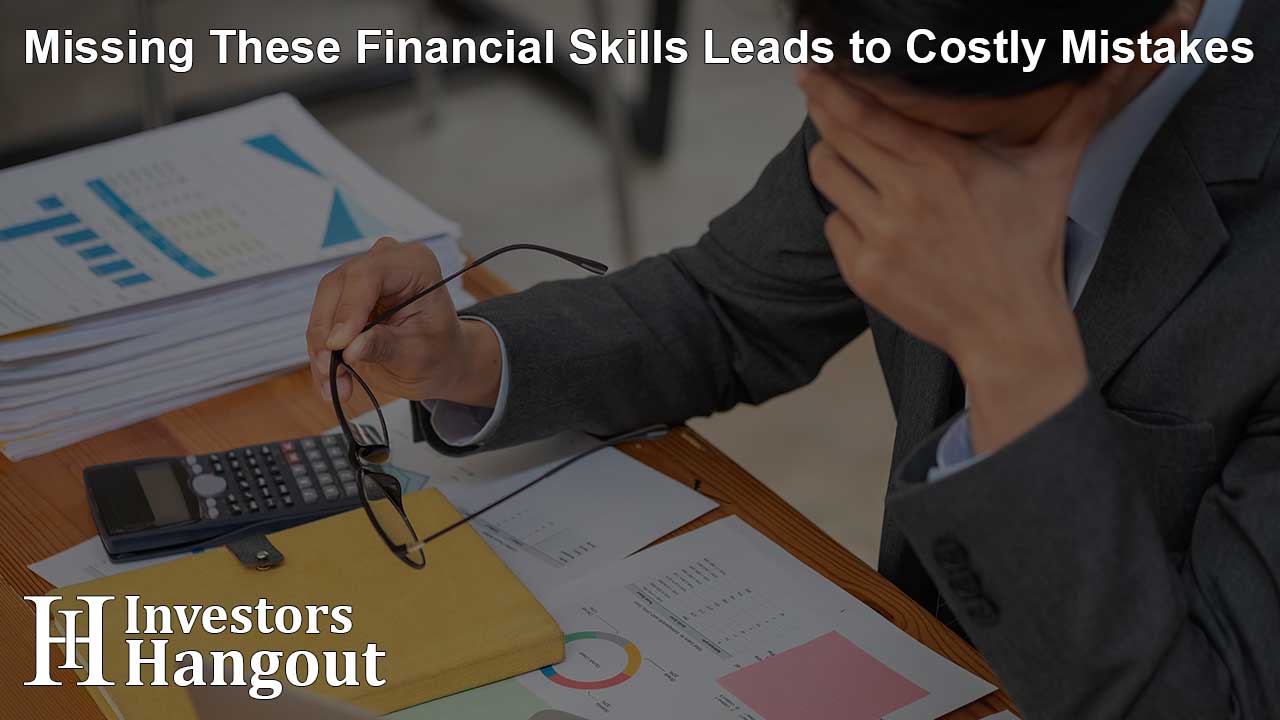
Financial management is a skill people are expected to conjure out of thin air. It is not a subject touched upon at school, and even after graduation, people are left to fend for themselves, likely falling into the same financial rhythms as their parents. However, while some financial habits are relatively benign, others leave long-term effects on people’s livelihoods, credit scores, and general relationship with money.
In this article, we observe the financial skills you cannot afford (literally) to neglect to enjoy a healthy attitude towards money, spending, budgeting, or even investing.
Financial wellness doesn’t come easy
With more temptations and the increasing influence of social media and the internet on our shopping carts, we require higher-level financial skills. It becomes far more difficult to resist when shopping, and easier to spend more than you can on impulse.
Besides these challenges, we also experience a continuous rise in the cost of living, greater access to questionable investment opportunities, and more options for obtaining loans or credit.
Signs that you are in a toxic relationship with your finances
Sometimes, people might treat certain financial habits or living conditions as normal. However, they might represent the following scenarios, hinting that you might not have the best relationship with your money:
-
Living paycheck-to-paycheck and struggling to cover necessities at the end of the month.
-
You see the money remaining at the end of the month as the funds you can spend on unnecessary purchases.
-
You constantly wonder where your money goes, and you feel like you do not splurge or overspend. Still, you have very little to spare.
-
Your savings sit in the bank untouched, and you have no plans to invest or move them for several years.
-
You are not familiar with terms such as an emergency fund and retirement planning.
-
You are open to taking out a loan and do not seek the best terms or a proposal from the bank.
Skills that are crucial for any adult
Now, let’s relate the aforementioned signs to actual skills that you should improve to resolve them.
Exploring investing and additional online earnings
People don’t need to put all of their life savings into investments to see a profit. Instead, they can start small and see whether they are comfortable with this money-making approach. Of course, some might feel restless and anxious, which could affect their overall mental health.
Furthermore, you could be more money-savvy by picking up safer and more guaranteed earning options. That could mean that you earn money with Honeygain, which lets you share unused internet bandwidth. You simply share your connectivity and enjoy hassle-free earnings. If you’re more into getting your hands dirty, consider becoming a gig worker, which could make platforms like TaskRabbit or Thumbtack your regular hangout.
Protect your financial data online
Managing money today often means handling sensitive information online, from banking apps and investment platforms to freelance accounts and digital wallets. Unfortunately, cybercriminals frequently target users through unsecured public Wi-Fi networks, phishing attempts, and fake financial websites.
That’s why digital security should also be viewed as an essential financial skill. Using the best VPN helps encrypt your internet connection, making it harder for third parties to intercept your personal or financial information. This can be particularly useful when traveling, working remotely, or accessing financial accounts from cafés, airports, hotels, or coworking spaces.
Beyond using a VPN, people should also practice other basic cybersecurity habits, such as enabling two-factor authentication, creating strong passwords, and avoiding suspicious links or downloads. These small precautions can prevent costly financial losses and help you maintain better control over your finances in the long run.
Come up with an optimal savings plan
Whenever your salary arrives, automate a transfer to your savings account. If you don’t have a savings account, open one. It might seem unnecessary, but a savings account does help you earn some interest on your money, meaning you are more resistant to inflation. For better yields and higher interest rates, you can consider transferring money to high-yield savings accounts, but it obligates you to keep your money with them for a certain period.
Another important part of saving money is setting realistic and measurable goals. For example, you could save for an emergency fund, future travel plans, a home deposit, or retirement. Breaking larger goals into smaller monthly targets makes the process feel more achievable and less overwhelming. Developing consistent saving habits early on creates stronger financial stability and helps reduce stress during unexpected situations or economic uncertainty
Finding a budgeting strategy that works for you
Budgeting is not something you look forward to. Instead, it is usually a hassle, but it gets easier if you find a budgeting strategy that suits your lifestyle. You could use envelopes to allocate cash to specific spending categories, explore zero-sum budgeting, or try the 50/30/20 approach.
Resist social media and lifestyle creep
One of the best financial skills is resisting the need to match others’ lifestyles or possessions. Then, you won’t need to spend hundreds of dollars just because a social media star did so.
Furthermore, lifestyle creep is another dangerous phenomenon, when even increased salaries simply mean that people buy more instead of using that money to save for the future.
Start reading about the economy and related news
Sometimes, finances are all about being in the right place at the right time. So, make it a habit to read economic news and to delve deeper into finance podcasts from trusted experts for predictions. This information could influence your financial decisions, such as when to take out a loan or when you absolutely should avoid taking on such a financial commitment.
Conclusion
Developing strong financial skills takes time, but even small improvements can have a lasting impact on your future. Learning how to budget, save money, avoid unnecessary spending, and protect your financial data online can help you feel more confident and secure in everyday life. While mistakes are inevitable, building healthy financial habits early makes it easier to reduce stress, prepare for unexpected situations, and create a more stable financial future