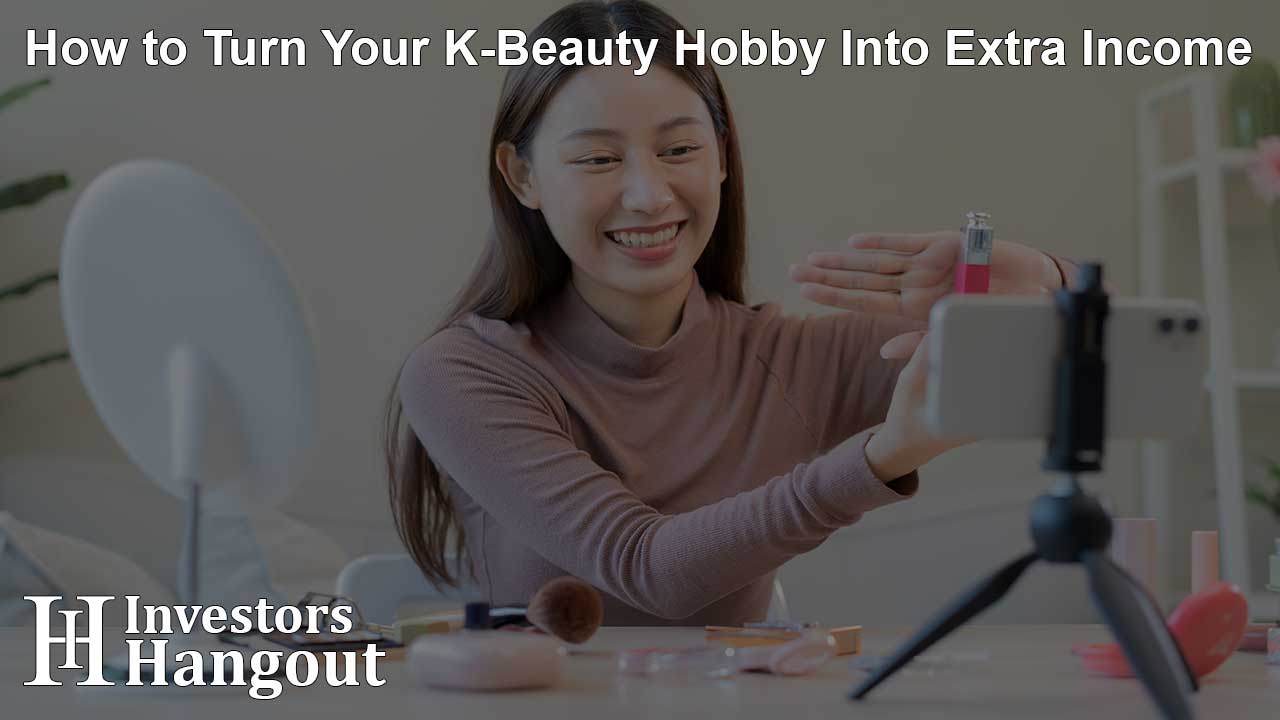
If you spend hours testing serums, comparing ingredient lists, and building multi-step skincare routines, you already have knowledge that other people are willing to pay for.
The global K-beauty market continues to grow, with stores like Meamo Shop for botox and dozens of other niche retailers making Korean skincare more accessible than ever. Yet consumers often feel overwhelmed by the number of products and brands available.
That gap between supply and understanding is where a hobbyist can step in. With the right approach, the time you already invest in Korean skincare can generate a steady side income without requiring a large upfront investment.
Here are several practical ways to start.
Selling Curated K-Beauty Products
One of the most direct paths is reselling products you know and trust. Many Korean brands offer wholesale pricing or affiliate arrangements, and platforms like Shopify, Etsy, and even Instagram shops make it simple to set up a small storefront.
-
Focus on a niche within K-beauty, such as products for sensitive skin or budget-friendly routines, to stand out from larger retailers.
-
Source products through authorized distributors or directly from Korean suppliers on platforms like Alibaba or StyleKorean.
-
Start small with a limited inventory to test demand before committing to larger orders.
Building a curated selection based on personal experience gives buyers something they cannot get from a generic retailer: a recommendation they trust.
Creating Content Around Your Expertise
People search for K-beauty advice daily. Blog posts, YouTube videos, TikTok tutorials, and newsletters all serve as vehicles for turning what you know into content that earns.
-
Product reviews and routine breakdowns perform well because they answer specific questions buyers have before purchasing.
-
Ingredient education — explaining what niacinamide or snail mucin actually does — builds authority over time.
-
Consistent posting on one or two platforms tends to produce better results than spreading effort across many channels.
Revenue comes through affiliate links, sponsored content, and ad monetization once your audience reaches a certain size. The key is providing information that helps people make decisions, not just promoting products for the sake of a commission.
Offering Personalized Skincare Consultations
Many consumers struggle to build a routine that fits their skin type, budget, and lifestyle. If you have spent years testing products and understanding how different ingredients interact, you can offer paid consultations.
-
Set up a booking system through tools like Calendly and charge per session.
-
Offer tiered services — a basic routine recommendation, a full product overhaul, or ongoing monthly check-ins.
-
Collect brief intake forms beforehand so you can prepare tailored suggestions rather than giving generic advice.
This model works well because it requires no inventory, no shipping, and no upfront cost beyond your time and existing knowledge.
Building a Subscription Box Service
Subscription boxes remain popular in the beauty space because they solve the problem of discovery. A K-beauty subscription box curated by someone with genuine expertise carries more weight than one assembled by a company with no editorial perspective.
-
Start with a small run — even 20 to 30 boxes — to validate the concept before scaling.
-
Include a printed card or digital guide explaining why each product was chosen and how to use it.
-
Price the box to cover product costs, shipping, and packaging while leaving a reasonable margin.
The recurring revenue model is one of the main advantages here. Once subscribers trust your selections, retention tends to be strong.
Teaching K-Beauty Workshops or Courses
Online courses and live workshops allow you to package your knowledge into a product you create once and sell repeatedly. Platforms like Teachable, Skillshare, and Udemy handle hosting and payment processing.
-
Structure courses around common pain points: building a first routine, understanding labels written in Korean, or transitioning between seasons.
-
Live workshops — whether virtual or in person at local beauty events — create a more interactive experience and often command higher pricing.
-
Pair courses with a downloadable resource, such as a product comparison chart or ingredient glossary, to add value.
Teaching positions you as a knowledgeable resource, which in turn supports any other income stream you pursue, from affiliate sales to consultations.
Getting Started Without Overthinking It
The biggest barrier for most hobbyists is not a lack of knowledge — it is the belief that monetizing a hobby requires a formal business plan or a large audience from day one. It does not. Choose one path that aligns with your strengths, test it on a small scale, and refine based on what works. The expertise you have built through years of personal interest is already the foundation. The rest is execution.