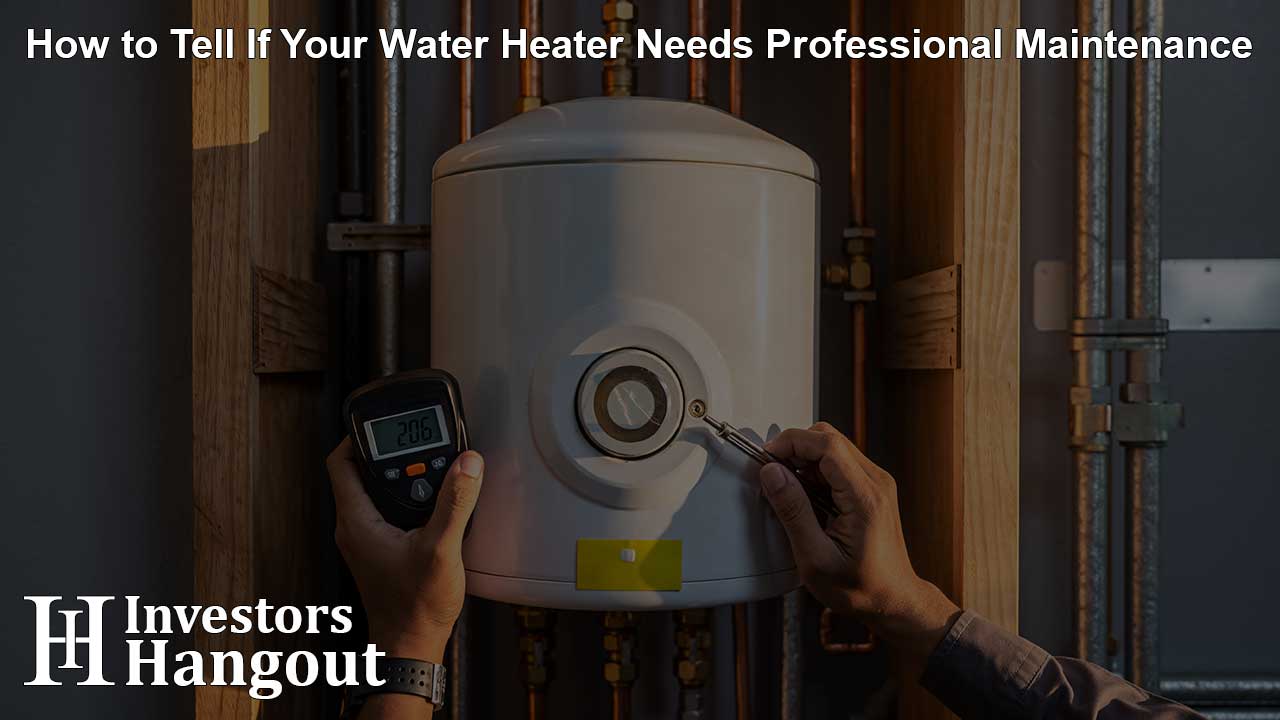
Most business or homeowners don't think about their water heater until something goes wrong and by then, the damage is usually already done. A minor issue that could've been caught early turns into an emergency. Contractors who regularly handle plumbing work, like those who schedule plumbing service calls for Fuse Service water heater installation and repairs, will tell you the same thing: the warning signs are almost always there. People just don't know what to look for.
The good news is that most problems give you a heads-up before they get expensive. You don't need to be a plumber to see them; you simply need to know what's normal and what's not.
The Most Common Warning Signs Your Water Heater Needs Attention
Begin with the obvious. One of the most obvious symptoms that something isn’t right and that you need water heater maintenance is odd sounds such as popping, rumbling and slamming. That typically implies sediment has accumulated at the bottom of the tank and the heating element is pretty much cooking through a layer of mineral crust. It’s not a disaster straight away, but it’s working a lot harder than it should.
Discolored water is another one. If, in particular, your hot tap water is a rust color or brown, the anode rod inside the tank is probably corroding. The rod is there to preserve the liner of the tank. Once it is gone the tank itself starts to deteriorate. Visible pooling or moisture around the base of the unit? Don't wait on that.
Temperature and Performance Issues You Shouldn't Ignore
Inconsistent hot water is perhaps the reason most commonly cited by homeowners who are asking for aid. You turn on the shower and it’s boiling, then lukewarm, then freezing, nothing predictable. Usually, these variations are caused by a bad thermostat or a failed heating element. Neither one fixes itself.
And then there’s the slow recuperation time. If your household is the same, same people, same routines, but all of a sudden you are running out of hot water twice as quickly, it is a real signal. Even if the unit is still working, sediment buildup limits the effective capacity of the tank.
Hidden Technical Problems That Require Professional Inspection
Some issues aren't visible at all from the outside. Pressure relief valve problems are a good example. The TPR valve is designed to release pressure if things get too hot or too pressurized. It is a safety important component. But if it’s been tripping, leaking, or not tested in years, you simply can’t know that without a hands-on inspection.
The dip tube, which supplies cold entering water to the bottom of the tank, works in the same way. If it is cracked or damaged, cold and hot water will mix before they should and you will notice, but you probably won't guess what is causing it.
A good water heater maintenance checklist will always involve checking these inside parts, and not just the outside.
Energy Efficiency Red Flags
If you have seen your energy expenses going up for no good reason, the water heater can be the issue. Older units, especially those that are 8-10 years old or more, lose efficiency with time. Add in sediment buildup and the unit has to run longer cycles to heat the same volume of water.
That increased runtime costs money. And it usually accelerates wear on every other component at the same time.
When DIY Troubleshooting Is Not Enough
Flushing sediment, replacing an anode rod, adjusting the thermostat, these are things a reasonably handy homeowner can handle. But anything involving gas connections, the pressure relief valve, or actual internal components is a different matter.
There's also the question of water heater installation cost. If repair costs are stacking up and the unit is already aging, a professional can help you run the numbers on whether you're better off repairing or replacing. Water heater installation cost varies depending on unit type and complexity, but sometimes replacement is genuinely more economical than chasing ongoing issues.
What a Professional Water Heater Maintenance Service Includes
A Proper Service Visit is More Than Most People Think The expert will examine the anode rod and repair it if necessary, drain sediment from the tank, test the TPR valve, check the gas line or electrical connections, check thermostat calibration and check the expansion tank if you have one. It’s like a whole water heater maintenance checklist, operated by someone who knows exactly what failure looks like before it becomes failure.
Most manufacturers recommend annual service. Most homeowners go years without any.
In Conclusion
The pattern is almost always the same — a small sign gets ignored, then another, and then it's a weekend emergency. Getting a professional to look at your water heater once a year is genuinely one of the lower-effort home maintenance habits you can build. If anything in this article sounded familiar, that's probably your cue.