Trade shows and conferences generate some of the highest-intent leads a sales team will ever encounter. Yet many of those conversations never convert—not because the prospect lost interest, but because the follow-up arrived too late or the contact details were lost somewhere between a badge scanner and a spreadsheet. Research from event marketing surveys consistently shows that a large share of collected leads are never followed up on at all, and much of that gap traces back to how leads move (or fail to move) from the event floor into a company's systems.
The solution is not more diligent manual data entry. It is a connected capture process that routes every scanned badge and saved contact straight into the CRM where sales teams actually work. This article breaks down how that process functions, where teams commonly lose data, and what to look for when building a reliable event-to-CRM pipeline.
Why Manual Lead Handling Fails at Events
Events compress an enormous amount of activity into a short window. A single representative might speak with dozens of prospects in a day, jotting notes on paper, collecting business cards, or scanning badges into a device that stores data locally. The problems begin after the event ends.
· Business cards pile up and get transcribed days later—if at all.
· Badge scan exports arrive as raw CSV files that require cleaning before import.
· Contact details are entered inconsistently, creating duplicates and formatting errors.
· By the time a lead reaches a sales rep, the conversation context has faded.
Speed matters more than most teams assume: leads contacted within the first hour are dramatically more likely to convert than those contacted a day or more later. When lead handling depends on manual imports scheduled for "sometime next week," that advantage disappears entirely.
How Native CRM Integrations Change the Workflow
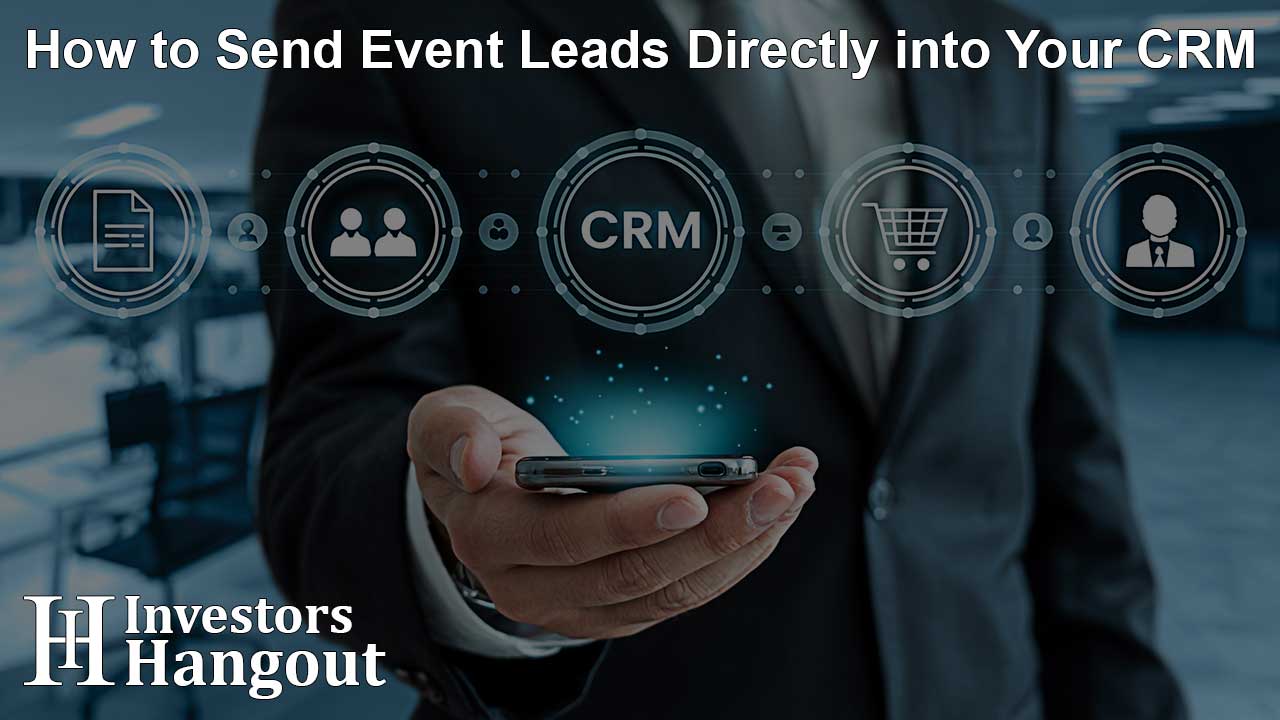
Modern event lead capture tools are designed to eliminate the export-clean-import cycle. Instead of storing data in isolation, they connect directly to CRM platforms so that captured information flows in automatically. Platforms built for event lead capture such as https://wavecnct.com/event-lead-capture allow badge scans and captured contacts to move directly into CRM systems through native integrations, reducing manual imports, improving data accuracy, and enabling faster sales follow-up after conferences and trade shows.
The mechanics are straightforward. When a representative scans a badge or a prospect saves a digital contact, the record is created and mapped to the appropriate CRM fields in near real time. That means:
· A lead captured at 10:15 a.m. can appear in the CRM before lunch.
· Field mapping ensures names, emails, companies, and job titles land in the right place.
· Duplicate detection catches records that already exist in the database.
· Sales teams can trigger automated follow-up sequences the same day.
Building the Pipeline Before the Event Starts
The most common mistake teams make is treating integration setup as a post-event task. By then, the leads have already been captured in a disconnected format. The pipeline should be configured and tested before anyone sets foot on the show floor.
1. Map fields in advance
Decide exactly which data points will be captured and where each one belongs in the CRM. Common fields include full name, email, phone, company, title, and a source tag identifying the specific event. A dedicated event source field makes post-show reporting far easier.
2. Standardize what representatives capture
Consistency at the point of capture prevents cleanup later. If every rep collects the same core fields and adds a short note about the conversation, the CRM records arrive complete and contextualized rather than as bare contact rows.
3. Test the full round trip
Run a sample lead through the entire flow—capture, sync, and CRM arrival—before the event. This surfaces mapping errors while there is still time to fix them, rather than discovering a broken integration after collecting hundreds of contacts.
Equipping Teams for Consistent Capture
Integration only works if every team member uses the same capture method. Fragmented tools—one rep scanning badges, another handing out paper cards, a third typing contacts into a phone—produce fragmented data that no integration can fully reconcile.
Digital business card platforms have become a practical way to standardize this. Browser-based tools let a prospect save a representative's details in seconds without downloading an app, and the same system can log the exchange as a lead. Wave Connect, for example, is used by more than 150,000 professionals and supports bulk deployment so that an entire team can be equipped ahead of a large event—an admin can import a roster and issue up to 200 cards in roughly five minutes rather than configuring each one individually.
For teams operating at enterprise scale, security and access control also matter. A platform that is SOC 2 Type II certified provides the data-handling assurances that larger organizations require before routing contact information through any external system into their CRM.
Improving Data Quality and Follow-Up Speed
The payoff of a connected pipeline shows up in two measurable areas: data accuracy and follow-up velocity.
Data accuracy improves because information is captured digitally at the source rather than transcribed. A scanned badge or saved digital contact carries structured data—no illegible handwriting, no typos introduced during re-entry. When that data maps cleanly into the CRM, reporting on event ROI becomes trustworthy rather than approximate.
Follow-up speed improves because leads are actionable immediately. Instead of waiting for a post-event data cleanup, sales teams can:
· Segment new leads by interest or booth interaction as they arrive.
· Trigger a same-day thank-you email while the conversation is fresh.
· Assign high-priority prospects to reps for direct outreach.
· Track which leads engaged with follow-up messages within the CRM itself.
Together, these effects shorten the distance between a hallway conversation and a booked meeting—which is ultimately what event budgets are meant to produce.
Looking Ahead
As events continue to blend in-person and digital formats, the expectation for instant, structured lead handling will only grow. The teams that consistently outperform at trade shows are rarely the ones with the biggest booths—they are the ones whose leads never sit idle in a spreadsheet. Building a tested capture-to-CRM pipeline, standardizing how representatives collect contacts, and prioritizing data accuracy at the source turns an event from a lead-gathering exercise into a genuine revenue channel. The technology to make that seamless already exists; the advantage goes to those who put it in place before the next show opens its doors.