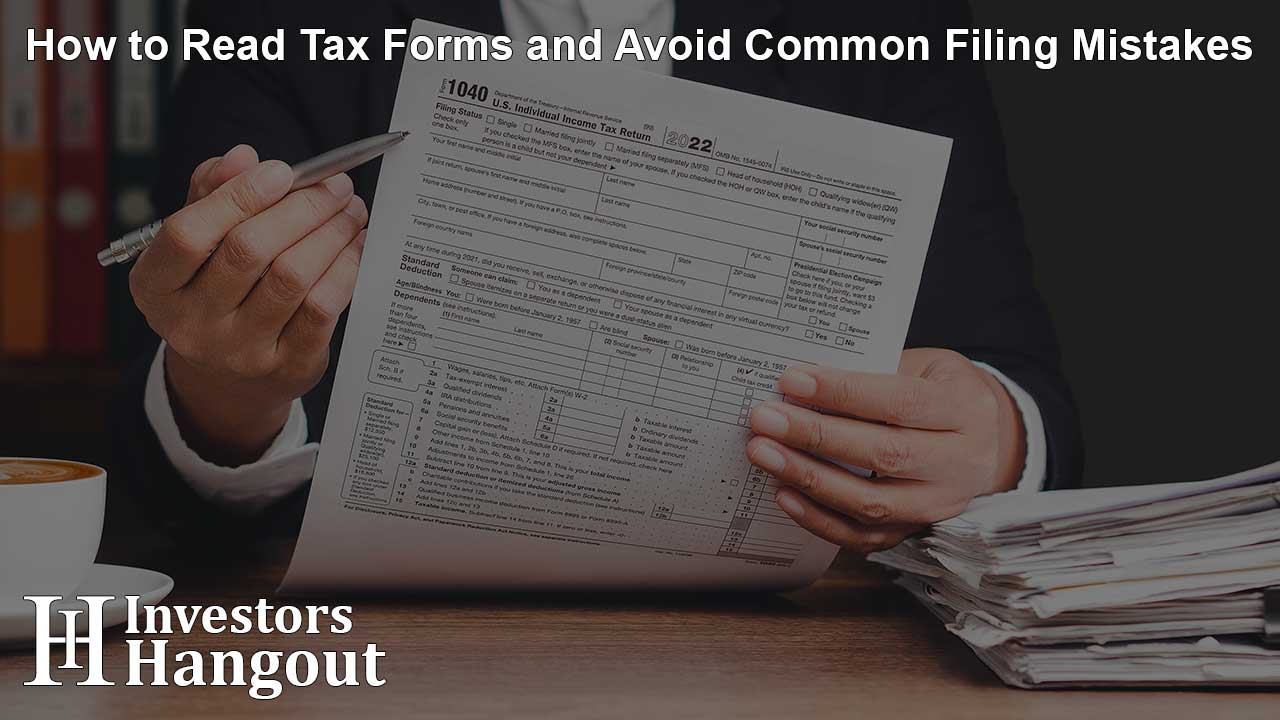
Tax forms have a talent for looking more dramatic than they really are. One box, one code, one unfamiliar line, and suddenly your coffee tastes like stress. If you’re trying to get better at personal finance, learning how to read these forms matters more than memorizing jargon. Once you know what the numbers are actually saying, you can catch mistakes, organize records faster, and make smarter decisions around loans, interest, and filing season.
Learn What Each Box Is Designed to Report
Boxes on tax forms aren’t random. Each one has a job. Some report income, others show withholding, and others document interest you paid. Once you know the purpose of a box, the form stops feeling like a spreadsheet assembled by chaos.
When reviewing any tax document, pay attention to:
- Labeled boxes and their exact wording
- Footnotes or instructions near the bottom
- Whether the amount is informational or deductible
For example, if you’re dealing with vehicle-related financing paperwork, Vehicle Loan Interest says Box 1 reports interest, which can help you understand what amount is being identified on that form and how it should be interpreted.
That kind of box-by-box reading cuts through confusion quickly. One label can change how you classify a payment in your records.
Start With the Big Picture Before You Read the Fine Print
The fastest way to get lost in a tax form is to zoom in too early. Before you stare down individual boxes, check the form name, tax year, payer, and recipient details. That gives you context.
A form usually answers three basic questions:
- Who issued it
- What kind of payment or interest it reports
- Which tax year it covers
That sounds obvious, yet plenty of filing mistakes begin with outdated forms or mismatched names. If a lender misspells your name or lists the wrong account number, don’t shrug it off.
Think of tax forms like receipts with legal consequences. They’re not there for decoration. Reading the top section first helps you understand what role the document plays before you start interpreting the numbers.
Match the Form to Your Actual Financial Life
A tax form should reflect something real that happened in your finances. If it doesn’t, that’s your cue to investigate. Don’t assume a form is correct just because it arrived in an official-looking envelope or portal.
Compare each form to your own records:
- Monthly statements
n- Loan balances
- Payment confirmations
- Year-end summaries from lenders or employers
Say you made car loan payments all year. The interest amount on a related form should feel reasonably close to what your statements show. It may not match your rough guess exactly, but it shouldn’t look like a number from another dimension.
Your documents should tell the same story from different angles. If one of them sounds off, track down the mismatch early, before filing turns into a scavenger hunt with deadlines.
Watch for Common Errors That Cost Time and Money
Most tax-form problems aren’t dramatic fraud cases. They’re boring mistakes with annoying consequences. A wrong Social Security number, incorrect interest total, or duplicate form can delay filing or push you into correction mode.
Here are a few issues worth checking every time:
- Incorrect personal information
- Wrong tax year
- Reported amounts that don’t match your records
- Duplicate documents from refinanced or transferred loans
- Missing forms you expected to receive
Refinancing creates extra confusion. A loan may move from one servicer to another, and both companies might report part of the same year. If you don’t catch that split, your totals can look strange.
No need for full detective-board energy with red string on the wall. A simple side-by-side review is usually enough to spot what doesn’t belong.
Understand Interest Reporting Without Overcomplicating It
Interest is one of those financial terms people nod at until a form forces them to deal with it. In plain terms, interest is the cost of borrowing money. Your payments may include both principal and interest, and tax forms often separate them for reporting purposes.
That distinction matters because principal reduces what you owe, while interest reflects borrowing cost. They are not interchangeable, even if they leave your bank account in one combined payment.
To keep it clear, remember:
- Principal pays down the loan balance
- Interest is the lender’s charge
- Reported interest may matter for records, taxes, or business accounting
If your statements show total monthly payments, don’t assume that entire amount belongs in the same category. Personal finance gets cleaner when you separate what you paid from what the loan actually cost you.
Keep Better Records So Tax Season Gets Easier Every Year
Reading forms is easier when your paperwork isn’t scattered across email, glove compartments, and screenshots from six months ago. Good recordkeeping saves time and gives you backup if a reported number looks wrong.
A simple system works best:
- Save digital copies of tax forms in one folder
- Keep monthly loan or bank statements together
- Label files by year and account type
- Store confirmation emails for major payments or refinancing
You don’t need enterprise-grade document management. You need a setup you’ll actually use. Even one cloud folder named by tax year is better than hunting through downloads called “statement-final-final2.”
Clean records also help if you talk to a tax preparer. Instead of explaining your finances like a mystery novel, you can hand over organized documents and get clearer answers faster.
Know When to Ask a Professional Instead of Guessing
Some tax questions are easy to solve with careful reading. Others deserve backup. If a form affects deductions, business use, mixed personal and business expenses, or amended returns, it may be worth speaking with a tax professional.
Consider asking for help when:
- A reported amount seems clearly wrong
- You received corrected forms after filing
- You use a vehicle for self-employment or business
- Your loan was refinanced, transferred, or partially forgiven
- You’re unsure how a form affects your return
Guessing with taxes is expensive optimism. A ten-minute clarification can prevent penalties, delays, or unnecessary stress.
Personal finance gets stronger when you treat forms as tools, not threats. Read the heading, understand the boxes, compare the numbers to your records, and question anything that doesn’t fit. The goal isn’t to become a tax code superhero. It’s to get comfortable enough with your paperwork that confusing forms stop running the show.