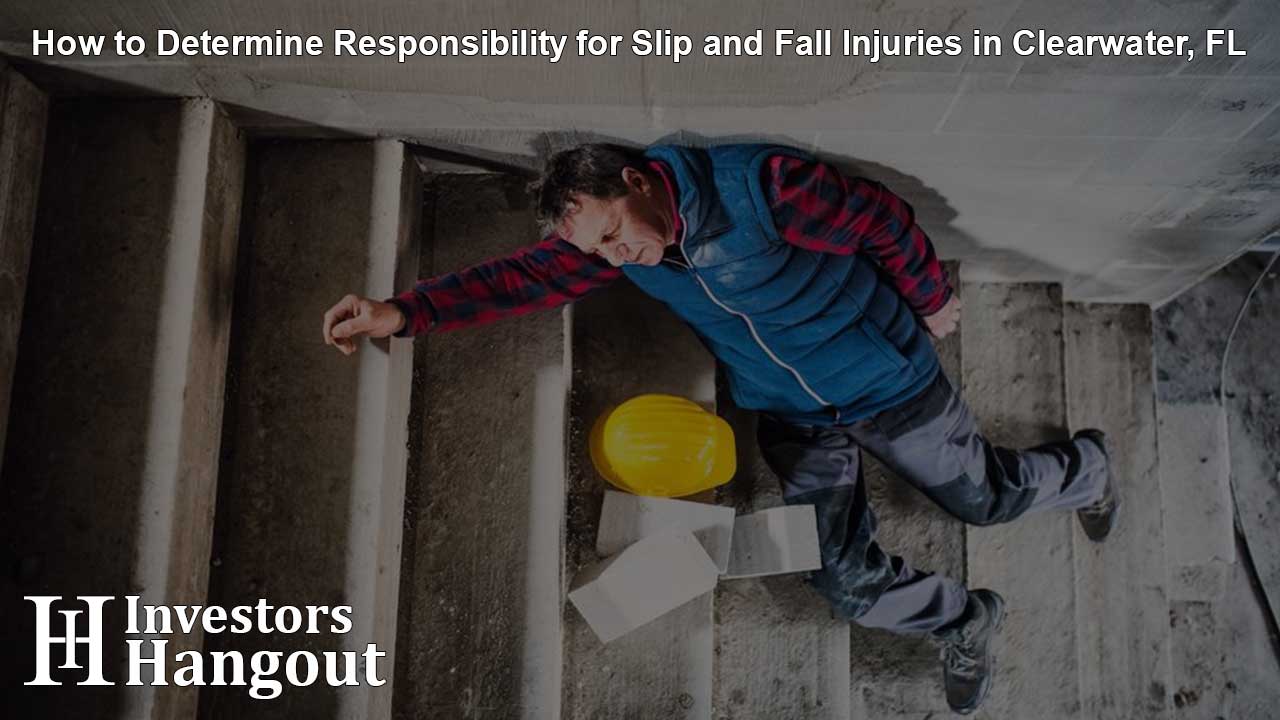
A fall on someone else’s property can raise many questions beyond the injury itself. A damaged walkway, missing warning sign, or unsafe condition may hold important clues about what caused the accident. Determining responsibility requires looking at the details surrounding the incident, including the condition of the property and the actions taken before the fall.
A lawyer for slip and fall injuries in Clearwater may review records, evidence, and accident details to understand the circumstances involved. Evaluating what factors are considered after a slip and fall can help you better understand how responsibility is reviewed in Clearwater.
Understand What Responsibility Means in a Slip and Fall Case
Responsibility in a slip and fall case depends on the specific facts surrounding the accident. It is not only about identifying where someone fell but also about understanding the condition that caused the fall and the steps taken to maintain the property.
Property owners and managers may have certain responsibilities related to keeping their locations reasonably safe for visitors. Reviewing these responsibilities can help explain whether a dangerous condition existed and whether it contributed to the injury.
Several details may be considered during this process, including how the hazard appeared, how long it was present, whether someone knew about it, and whether actions were taken to address the issue.
Identify the Hazard That Caused the Fall
Finding the exact condition that caused the accident is an important part of reviewing a slip and fall case. A clear understanding of the hazard can help explain the events that led to the injury.
Common examples of dangerous conditions may include:
-
Uneven floors or damaged surfaces
-
Poor lighting in walking areas
-
Unsafe stairs or handrails
-
Missing warning signs
-
Objects blocking walkways
Photos, videos, and accident reports can help document these conditions. Information collected from the scene may provide details about the property and the environment at the time of the accident.
Determine Whether the Property Owner Knew About the Hazard
Another factor that may be reviewed is whether the property owner knew about the dangerous condition or should have discovered it through regular care and maintenance.
Records such as previous complaints, inspection reports, maintenance schedules, and employee notes may provide information about the condition of the property before the accident.
The amount of time a hazard existed and the steps taken to fix or address it can provide important context. These details may help create a clearer understanding of how the property was managed before the injury occurred.
Review the Actions Taken Before the Accident
The actions taken to maintain a property can provide important information when reviewing responsibility. Safety routines, inspections, and maintenance practices may show how potential hazards were handled.
Some areas that may be reviewed include:
-
Regular property inspections
-
Cleaning and maintenance procedures
-
Repair efforts for damaged areas
-
Placement of safety warnings
-
Steps taken after previous complaints
These details can help explain whether reasonable efforts were made to keep the property safe. Every situation is different, so the available information and circumstances surrounding the accident may affect how responsibility is reviewed.
Collect Evidence That Supports the Accident Details
Evidence can help create a clearer record of what happened after a slip and fall accident. Some details may become difficult to collect later, making it important to preserve available information.
Useful evidence may include:
-
Photos or videos of the accident area
-
Medical records and treatment information
-
Contact details of witnesses
-
Surveillance footage
-
Incident reports
-
Maintenance records
Keeping these records organized can make it easier to review the circumstances of the accident. Evidence can provide important details about the condition of the property and the events surrounding the injury.
Consider the Role of Injuries and Medical Documentation
Medical records can help explain the impact of a slip and fall accident. These documents may include information about injuries, treatments, appointments, and related expenses.
Keeping track of medical visits, bills, and treatment recommendations can help maintain accurate information about the effects of the accident. These records may also help show the connection between the injury and the incident.
A complete record of medical information can provide a better understanding of the physical impact caused by the fall and the care received afterward.
Common Factors That Can Affect a Slip and Fall Case
Different details can influence how a slip and fall case is reviewed. The circumstances of each accident may depend on the condition of the property, available evidence, and information related to the injury.
Some common factors that may be considered include:
-
The location where the accident happened
-
The type of hazard involved
-
Whether warning signs were provided
-
The maintenance history of the property
-
Available photographs, reports, or witness information
-
The nature and documentation of injuries
Reviewing these factors can help provide a clearer picture of the situation and the information available after an accident.
Reviewing a Slip and Fall Case
Identifying responsibility after a slip and fall injury requires careful review of property conditions, evidence, maintenance records, and injury documentation. A single detail may not explain the entire situation without understanding the events that happened before and after the accident.
Having a conversation with a lawyer for slip and fall injuries in Clearwater can help you understand the information related to your situation. Keeping accurate records and preserving important details can provide a clearer picture of what happened after a slip and fall accident.