Ammunition is a recurring cost for anyone who hunts deer and shoots regularly. Hunting loads can be expensive by the box, while frequent range sessions add up through volume. Both draw from the same budget, but they serve different purposes.
Deer hunting calls for a suitable expanding bullet that is legal where you hunt and performs consistently in your rifle. Routine practice often allows less expensive ammunition. Separating those purchases can help you save without compromising your hunting preparation.
Start with local regulations and your firearm's requirements, choose a suitable hunting load, and compare practice ammunition by its total cost per round. The goal is to spend where performance matters and avoid paying for features you don't need.
Key Takeaways
-
Check legality first. States may regulate bullet construction, cartridge dimensions, or energy. Confirm the rules for your location and season before buying.
-
Match ammunition to the firearm. Use only cartridges approved for its chambering, then compare suitable expanding hunting loads.
-
Compare delivered costs. Shipping, tax, and fees can change which box or case offers the better price.
-
Save on practice, not verification. Less expensive ammunition can support regular training, but you still need to check your rifle with its hunting load.
-
Confirm your zero before season. Similar-looking loads can strike different points on the target.
-
Store bulk purchases safely. Follow SAAMI guidance for cool, dry storage away from chemicals and heat, with access restricted to authorized users.
Start With What Is Legal Where You Hunt
A low price is no help if the ammunition isn't legal for your hunt. Some states require expanding bullets for deer; others restrict cartridges, firearm types, or ammunition materials. California, for example, requires nonlead ammunition for hunting, and hunters should check its current certification requirements rather than relying on packaging alone.
Rules can also vary within a state. A cartridge allowed in one area or season may not be permitted in another. Diameter, case-length, or energy requirements may apply alongside restrictions on bullet construction.
Before buying, read the current regulations published by your state wildlife agency for the specific location, season, and firearm you plan to use. If an agency summary leaves a requirement unclear, consult the full regulation or contact the agency.
Keep a short list of those requirements while shopping. Retailer categories such as “hunting” or “nonlead” can narrow your search, but they don't establish whether a particular load is legal for your hunt.
Build a Simple Season Budget
Start with current prices for the exact ammunition you are considering, not last year's receipt or the cheapest listing in a cartridge category. A low advertised rifle-ammunition price may be for a target load rather than an expanding hunting bullet.
Separate your estimate into two parts:
-
Hunting and verification: Enough ammunition to compare suitable loads, confirm your zero, practice with the selected load, and hunt.
-
Routine practice: A realistic number of rounds based on how often you visit the range and which firearms you use.
For illustration, 60 hunting rounds at $2 each cost $120, while 500 practice rounds at $0.30 each cost $150. These are hypothetical prices, not market quotes. They show why practice volume can matter as much as the price of a hunting box.
Calculate delivered cost per round by dividing the complete order total by the number of rounds. Include shipping, tax, and any fees. As with any bulk buying decision, a case discount isn't necessarily a saving if delivery costs erase it or you buy more than you'll use.
LuckyGunner's quantity-based pricing offers a useful way to compare smaller purchases with larger orders. Check the actual per-round difference before committing extra money. Buy a small amount first if you haven't used that load in your firearm.
For Deer, Choose an Appropriate Expanding Bullet
First confirm the firearm's exact chambering. Within that cartridge, compare bullets intended for deer hunting rather than choosing by price or caliber reputation alone. Four common descriptions help explain what is on the shelf.
-
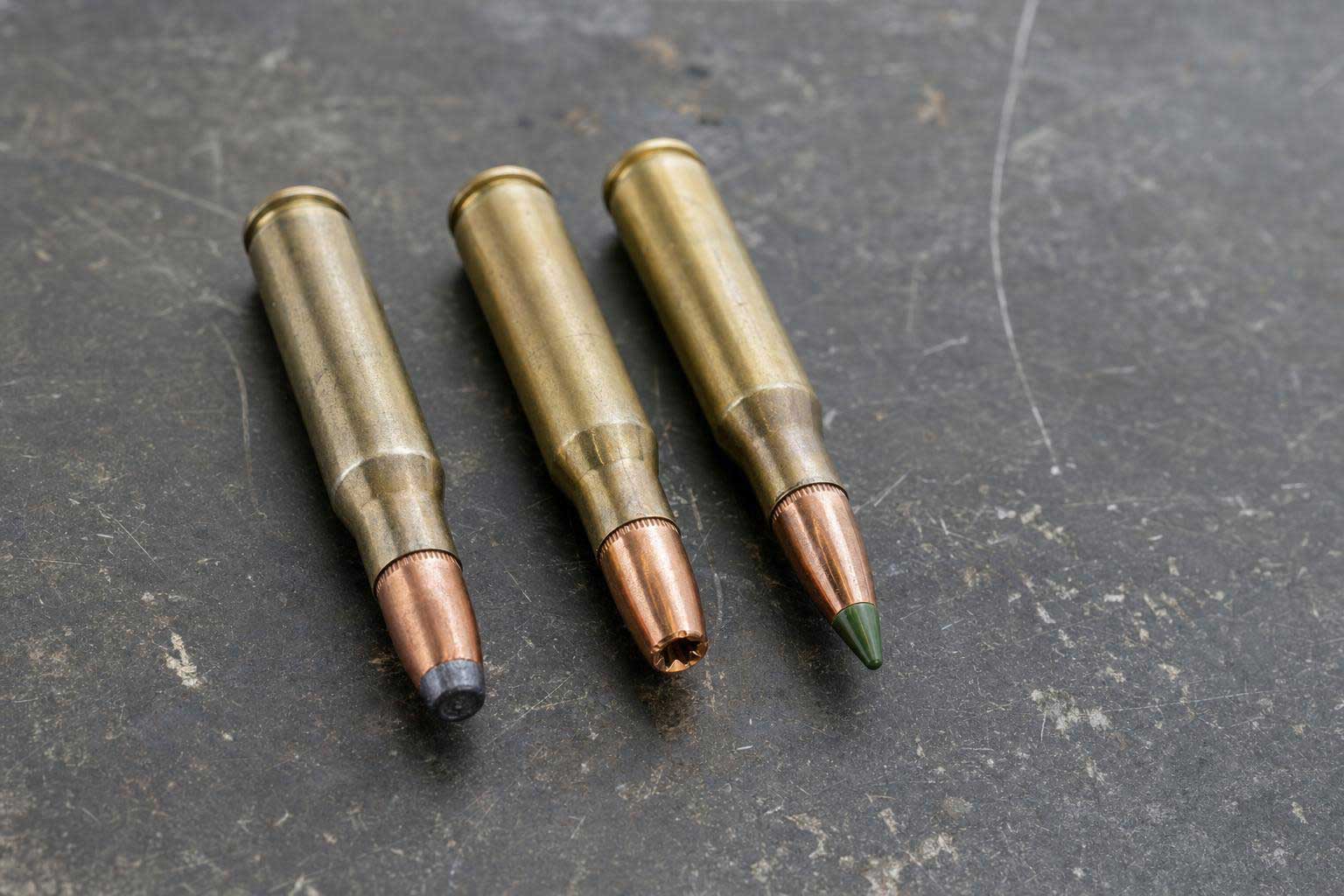
Soft point: A jacketed bullet with an exposed lead tip designed to expand. Conventional soft points are often among the less expensive hunting options.
-
Bonded: The jacket and core are joined to help the bullet retain weight as it expands. These loads often cost more than conventional soft points.
-
All-copper: A bullet without a lead core. Expanding versions may be suitable where nonlead ammunition is required, but check any official approved-ammunition list.
-
Polymer-tipped: A bullet with a plastic tip. The construction and intended use vary, so a tipped bullet isn't automatically suitable for deer.
These categories overlap: a polymer-tipped bullet may also be bonded or all-copper. Read the manufacturer's intended-use description rather than treating the tip or label as proof of hunting suitability.
Full metal jacket bullets generally aren't designed to expand and aren't appropriate substitutes for expanding deer bullets. They may also be prohibited by hunting regulations.
The budget choice is a legal, suitable hunting load that performs consistently in your rifle. Accuracy matters, but a tight group alone doesn't make a target bullet suitable for deer. A conventional hunting soft point may meet your needs without the cost of a premium design. For a habitat-based starting point, see top deer hunting caliber when comparing those options.
Match Your Deer Load to Terrain and Realistic Shot Distance
Think about where you actually hunt, not the longest shot you might imagine taking. Terrain helps define your needs, but it doesn't replace checking the bullet's intended use or knowing your own limits.
Dense woods. At shorter distances, a conventional expanding hunting load may meet your needs. No bullet can be counted on to pass through brush safely or predictably. A clear path to the animal and a safe background remain essential.
Open fields and food plots. Longer distances make bullet performance and your demonstrated shooting ability more important. Check the manufacturer's guidance on intended game and reliable expansion rather than assuming every tipped or bonded bullet is suitable.
Hills and mixed cover. A suitable load for a rifle you already own is often more economical than buying another rifle for an unlikely scenario. Practice under range conditions that reflect the positions you'll use while hunting.
Restricted-cartridge areas. Some locations or seasons allow only specified cartridges or impose dimensional requirements. Don't assume that every straight-walled cartridge qualifies, or that a neighboring state uses the same definition.
AmmoForSale's Ammo Club guide to deer-hunting caliber choices provides a useful habitat-based starting point for a shortlist. Use that overview to organize your options, then check each candidate against your firearm's requirements and current hunting regulations.
Crossover Rifle: 300 Blackout as a Case Study
Using one rifle for hunting and practice can simplify spending, but buying a new rifle doesn't automatically save money. If you already own a rifle chambered in .300 AAC Blackout, often called 300 BLK, its range of ammunition illustrates how different loads can serve different roles.
Supersonic loads travel faster than the speed of sound. Some expanding versions are intended for hunting. Confirm the manufacturer's intended use and your state's requirements rather than treating every supersonic load as deer ammunition.
Subsonic loads travel below the speed of sound. Many are designed for target shooting and aren't built to expand. Specialized expanding versions exist, but their suitability and legality need separate checking. Subsonic ammunition also isn't necessarily the cheapest practice option, and hearing protection remains necessary.
Keep cartridge compatibility separate from platform familiarity. A rifle must be specifically chambered for 300 BLK; the cartridge is not interchangeable with .223 Remington or 5.56 NATO. Keep those ammunition types clearly separated to prevent a dangerous mix-up.
CheapAmmo's category brings subsonic and supersonic listings together, with bullet-type filters and per-round pricing that make comparisons easier. For a direct comparison of 300 BLK listings, see 300 blackout ammo before checking the exact product description for its intended use. A shared cartridge name doesn't mean two loads have the same hunting suitability or point of impact.
Range Ammo That Keeps Costs Down
Practice ammunition needs to function consistently in your firearm and meet your range's rules. It usually doesn't need the expanding-bullet features of a hunting load.
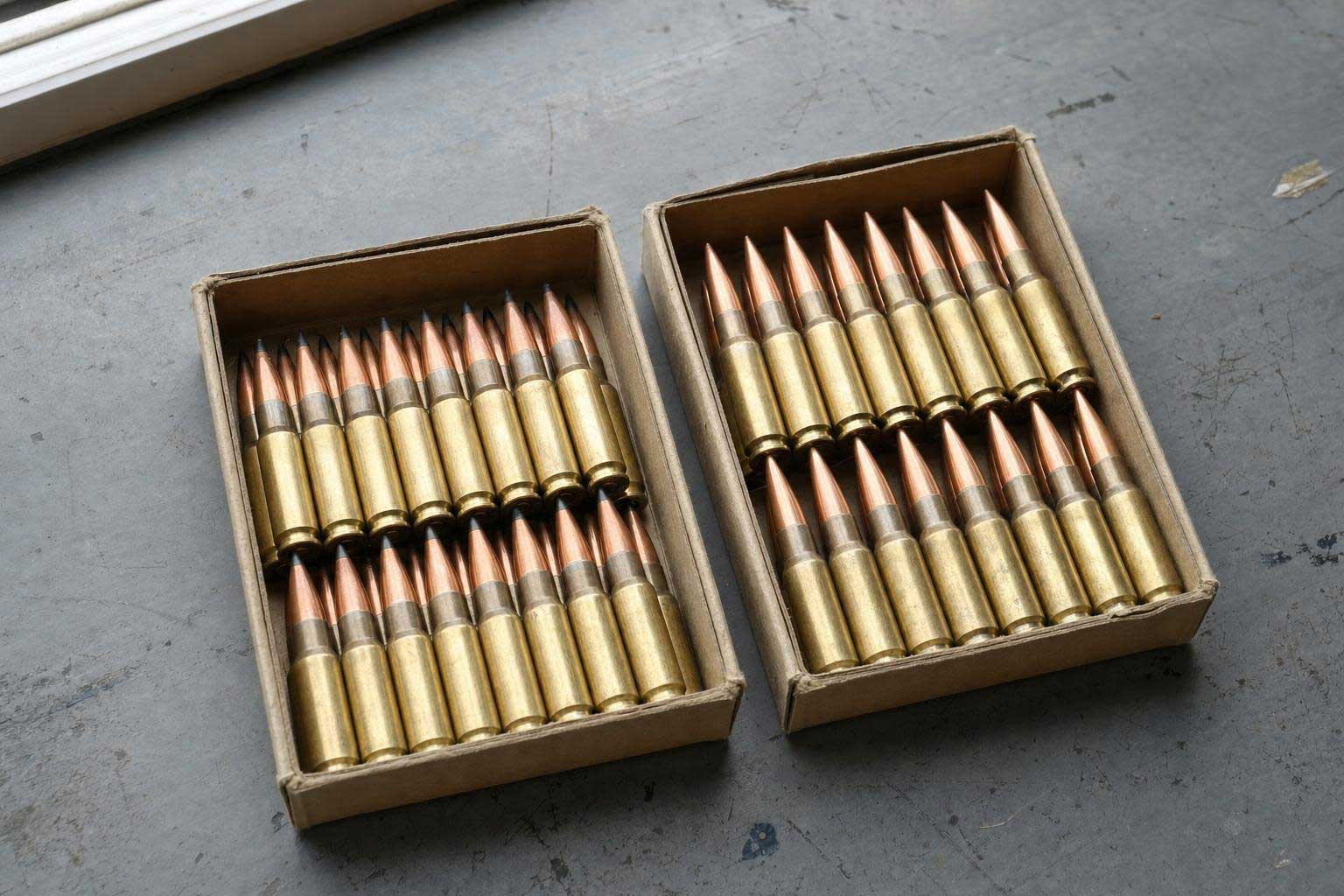
Full metal jacket and total metal jacket are common practice options. They often cost less than specialized hunting or defensive loads. Test a small quantity before buying a case, since reliability can vary by firearm and load.
Remanufactured ammunition uses previously fired cases loaded again by a commercial producer. It may cost less than new ammunition, but check your firearm manufacturer's guidance, the producer's quality controls, and your range's policy before choosing it.
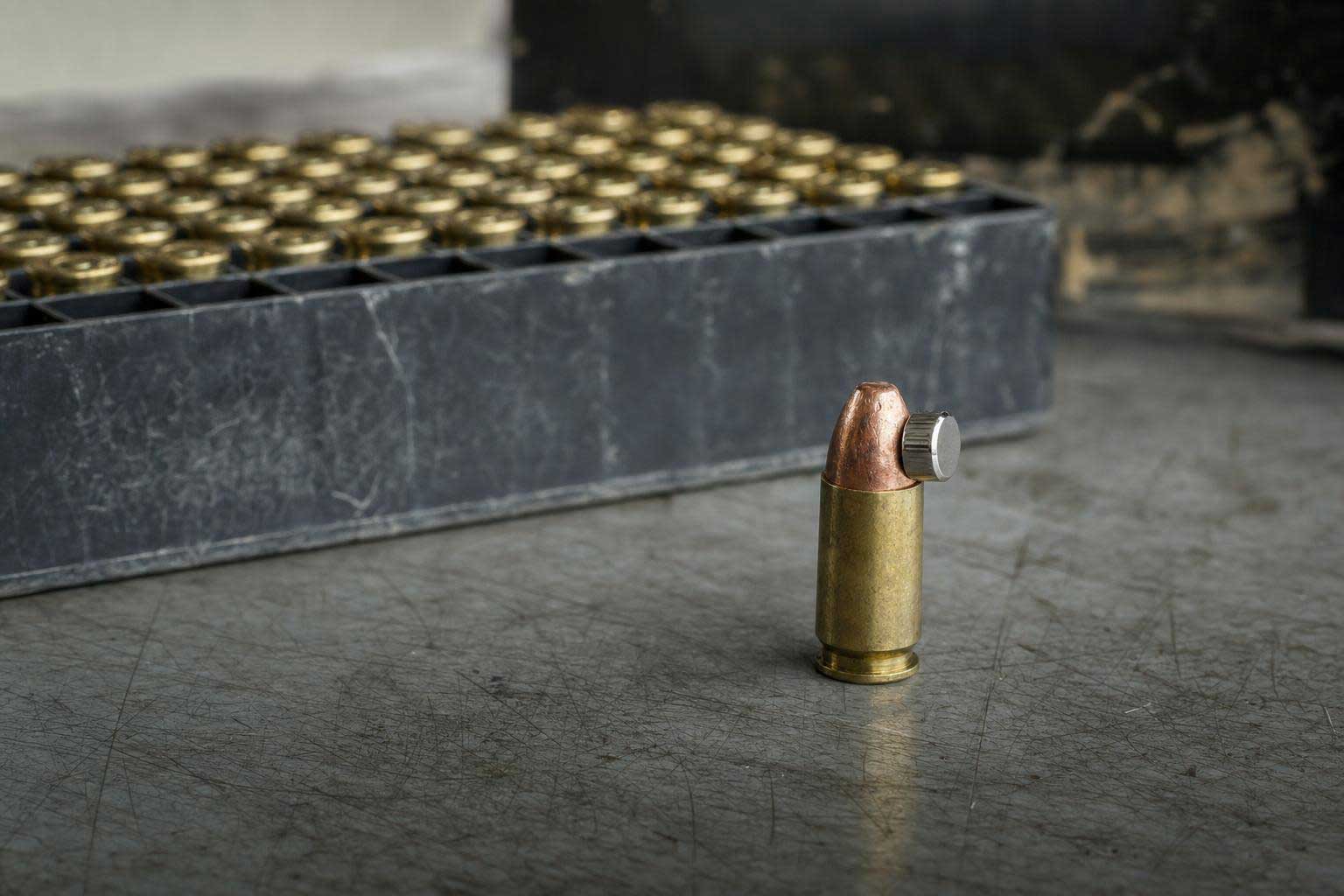
Steel-cased ammunition may also offer savings. However, some loads use steel-containing bullet jackets, and some ranges restrict steel cases, magnetic projectiles, or both.
Read your range's posted rules before buying in bulk. A magnetic case doesn't prove the bullet contains steel, and a brass case doesn't prove it doesn't. If the product description is unclear, ask range staff how they determine whether ammunition is permitted.
No-steel-core and bi-metal restrictions are common at indoor ranges, but policies vary; check the specific range's current rules before buying.
LuckyGunner's handgun listings make it straightforward to compare bullet weights, case materials, and per-round prices. Its live-inventory approach is also useful when planning a purchase, though availability and prices can change. Check the specific listing and your order total before deciding.
Rimfire can help reduce practice costs if you already own a suitable firearm. A .22 LR rifle or pistol supports work on sight alignment and trigger control with relatively inexpensive ammunition. It doesn't replace practice with your deer rifle, its recoil, and its controls.
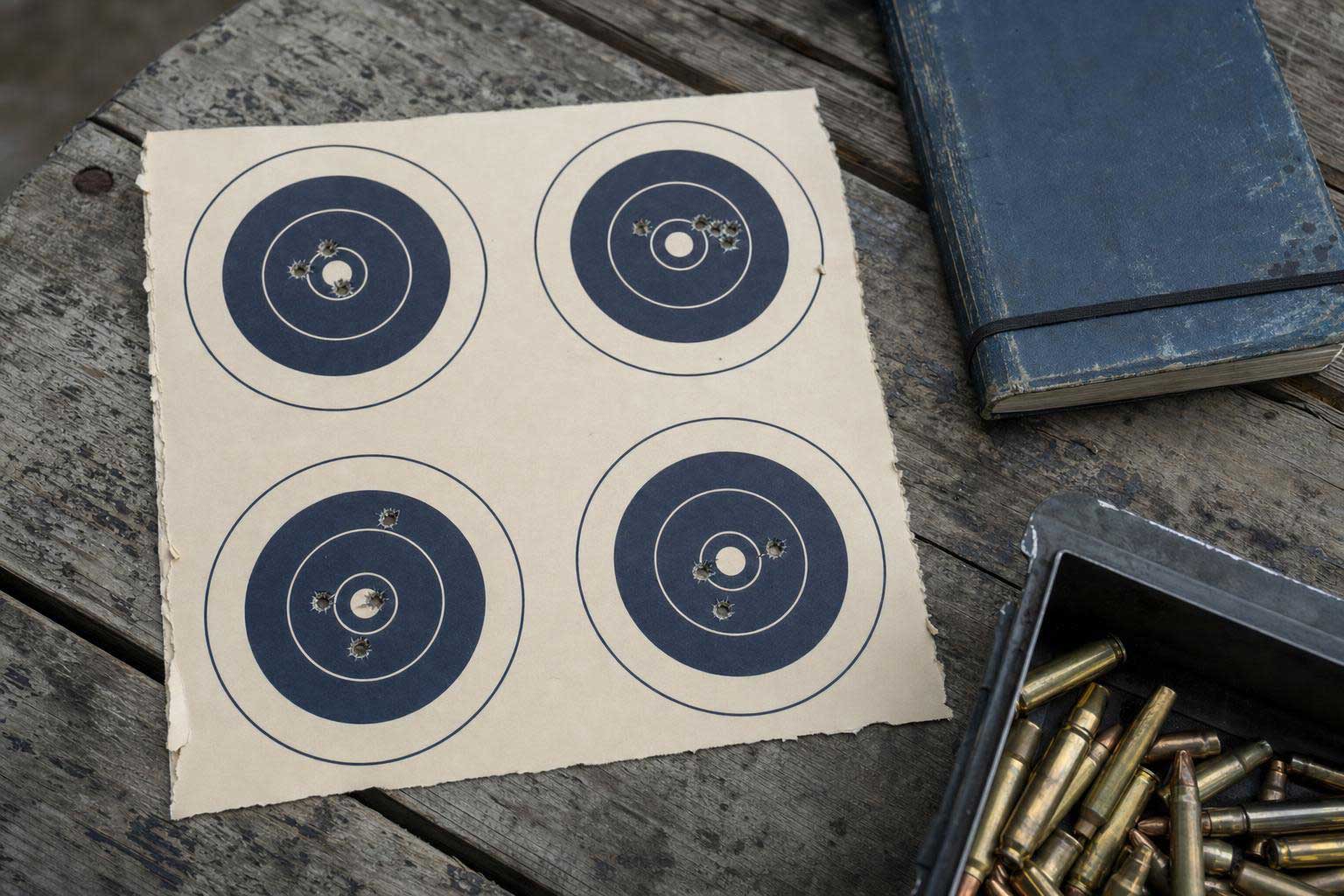
A Zeroing and Practice Plan That Saves Money
Plan enough shooting to verify your equipment without wasting hunting ammunition. The aim isn't the fewest possible rounds; it's a reliable result you can repeat. For routine 9mm training, compare 9mm ammo by bullet weight, case material, and per-round math before buying.
-
Begin at a range-approved sight-in distance. Follow the range's procedures and use a suitable target and backstop.
-
Compare a small selection of suitable hunting loads. Look for consistent results across groups rather than choosing from one unusually good group.
-
Record your setup. Note the load, bullet weight, lot number if available, target distance, and point of impact.
-
Use less expensive ammunition for routine practice. Record any difference in point of impact. Don't assume a practice load shares the hunting load's zero.
-
Confirm your zero with the hunting load before season. Use the exact load you plan to carry, preferably from the same lot. Adjust only if verification shows it is necessary.
Allow room in the budget for another check if you change ammunition, alter the rifle's setup, or have reason to question the zero. Treat verification as a necessary hunting expense, not a place to squeeze out the last few dollars.
Where to Spend and Where to Save
A useful budget gives priority to suitability, reliability, and preparation. Discounts come after those requirements, not before them.
Spend on:
-
A suitable expanding hunting load that meets local rules and performs consistently in your rifle.
-
Enough of that load to test, practice, confirm your zero, and hunt without skipping necessary checks.
Save on:
-
Practice ammunition bought in larger quantities after you have confirmed it works in your firearm.
-
Shared purchases with a hunting partner where lawful, keeping the original load and lot information with each portion.
-
Comparing delivered prices for the same load rather than relying on a sale label.
-
Using a .22 LR firearm you already own for some fundamentals practice.
-
Checking per-round figures across listings. CheapAmmo's rifle categories display those figures, which makes different box sizes easier to compare.
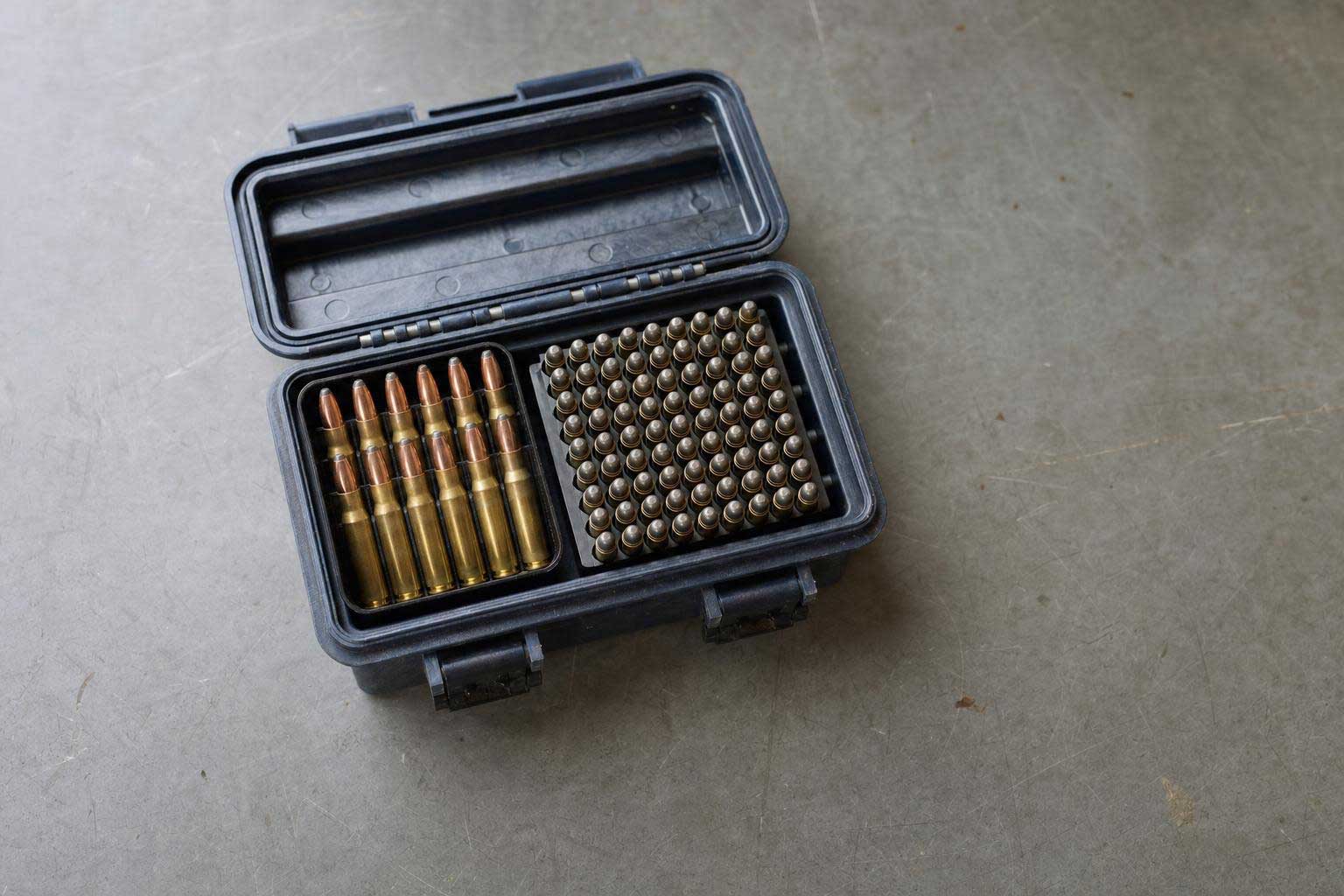
Savings depend on keeping ammunition in usable condition. SAAMI recommends cool, dry storage away from chemicals and heat sources. Follow manufacturer instructions and applicable storage laws, retain identifying labels, and secure ammunition against unauthorized access, especially by children. Avoid damp locations and large temperature swings.
Quick Picks by Scenario
These starting points reflect the habitat-based approach used in the AmmoForSale guide. None replaces checking current regulations, the load's intended use, or its performance in your rifle.
-
Thick timber, short shots. Consider a conventional expanding hunting load in a suitable rifle you already own. Don't pay extra for long-range features you won't use.
-
Field edges and longer distances. Check the manufacturer's guidance for the bullet's intended game and expansion limits. Stay within distances you can handle consistently.
-
An existing 300 BLK rifle. Compare suitable expanding hunting ammunition with lower-cost practice loads, subject to local cartridge restrictions.
-
A restricted-cartridge area. Start with the current legal requirements or approved list, then compare suitable loads within it.
-
A nonlead requirement. Check both bullet construction and any official certification requirement. Don't assume every copper-colored bullet is lead-free.
-
Frequent range visits and occasional deer hunting. Put most practice spending toward suitable low-cost ammunition, while reserving enough hunting ammunition for meaningful testing and verification.
Season Checklist
A budget-conscious plan comes down to six steps:
-
Verify the current rules for your state, location, season, and firearm.
-
Shortlist suitable expanding loads in your rifle's exact chambering.
-
Test a small quantity before buying more.
-
Choose reliable practice ammunition that your range permits, comparing total delivered costs.
-
Confirm your zero with the exact hunting load before opening day.
-
Keep ammunition cool, dry, labeled, and secured.
Retailer resources can make comparison easier without replacing these checks. LuckyGunner's live-inventory listings help with availability and pricing comparisons. CheapAmmo's filterable rifle categories help separate load types and costs. AmmoForSale's habitat-based overview provides useful background when building a hunting shortlist.
The most useful savings come from matching each purchase to its purpose. Keep routine practice affordable, but leave enough in the budget to verify the ammunition you'll carry into the field.