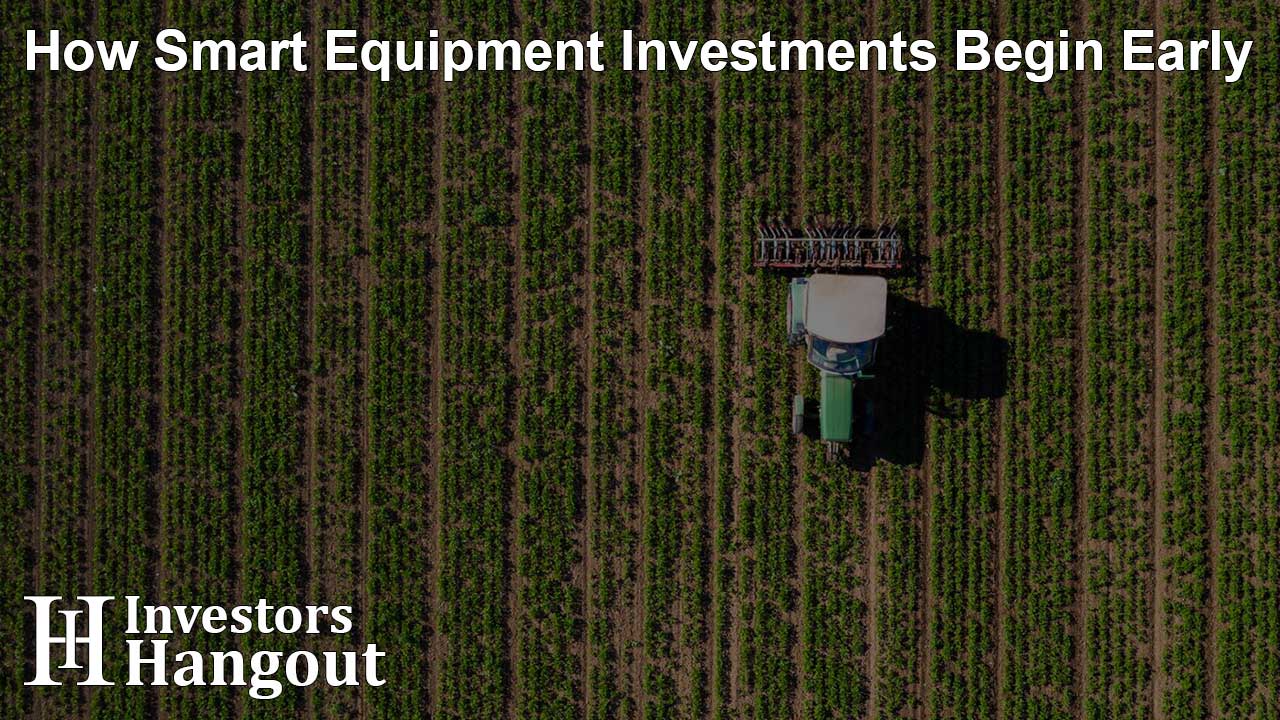
Equipment purchases often appear straightforward on the surface. A company identifies a need, compares prices, and buys machinery or tools expected to improve operations. For investors, though, equipment decisions begin long before the actual purchase takes place. Planning, market timing, maintenance forecasting, and operational readiness all affect whether an equipment investment produces strong long-term returns.
Equipment Planning Affects Financial Performance
Investors often focus on whether equipment will generate measurable value after purchase. Poor planning may lead to underused assets, rising maintenance costs, or production delays that weaken profitability. Companies should evaluate labor demands, production capacity, repair history, and projected growth before making large equipment commitments.
Cash flow analysis also matters. Financing terms, insurance costs, storage needs, and replacement timelines may all affect the true cost of ownership beyond the purchase price itself. Early planning often helps businesses avoid reactive spending decisions that create financial strain later.
Industry Conditions Influence Timing
Market conditions can affect equipment value significantly. Supply chain disruptions, fuel costs, labor shortages, and raw material pricing may all influence when businesses choose to purchase machinery or operational tools. Investors who monitor these trends carefully may identify stronger purchasing opportunities before costs increase further.
Seasonal industries often experience especially large pricing shifts throughout the year. Companies tied to construction, manufacturing, transportation, or agricultural supplies may face fluctuating equipment demand based on weather patterns, harvest cycles, or infrastructure activity. Timing purchases strategically may improve long-term return on investment.
Maintenance Costs Matter Before Purchase
Maintenance planning should begin before equipment arrives on site. Businesses that fail to review service schedules, replacement part availability, and repair costs may face expensive operational interruptions later. Investors often pay close attention to long-term maintenance forecasts because unexpected downtime directly affects revenue stability.
Training requirements also influence equipment performance. Operators who receive proper instruction generally reduce wear, safety problems, and operational mistakes over time. Strong maintenance planning may help extend equipment lifespan while reducing future capital expenses.
Operational Fit Is Just as Important as Price
Lower equipment pricing does not always create stronger investment value. Businesses should evaluate whether new equipment fits existing workflows, staffing levels, facility layouts, and production goals before finalizing purchases. Machinery that slows operations or creates workflow bottlenecks may reduce efficiency despite lower upfront costs.
Technology compatibility also matters in industries relying heavily on software integration, automation, or production tracking systems. Investors often review operational fit closely because poorly integrated equipment may create hidden costs across multiple departments.
Long-Term Demand Should Guide Decisions
Equipment purchases should align with future market demand instead of short-term trends alone. Companies expanding too quickly may overinvest in machinery that sits unused during slower periods. On the other hand, businesses that delay upgrades for too long may struggle with outdated systems and rising repair expenses.
Investors typically favor businesses that make disciplined equipment decisions tied to measurable growth expectations and operational data. Clear forecasting often supports more stable long-term performance.
Equipment investments begin long before contracts are signed or machinery arrives on site. Investors who evaluate these factors carefully are often better prepared to identify businesses making disciplined capital decisions that support stronger operational and financial performance. To learn more, feel free to look over the accompanying resource below.