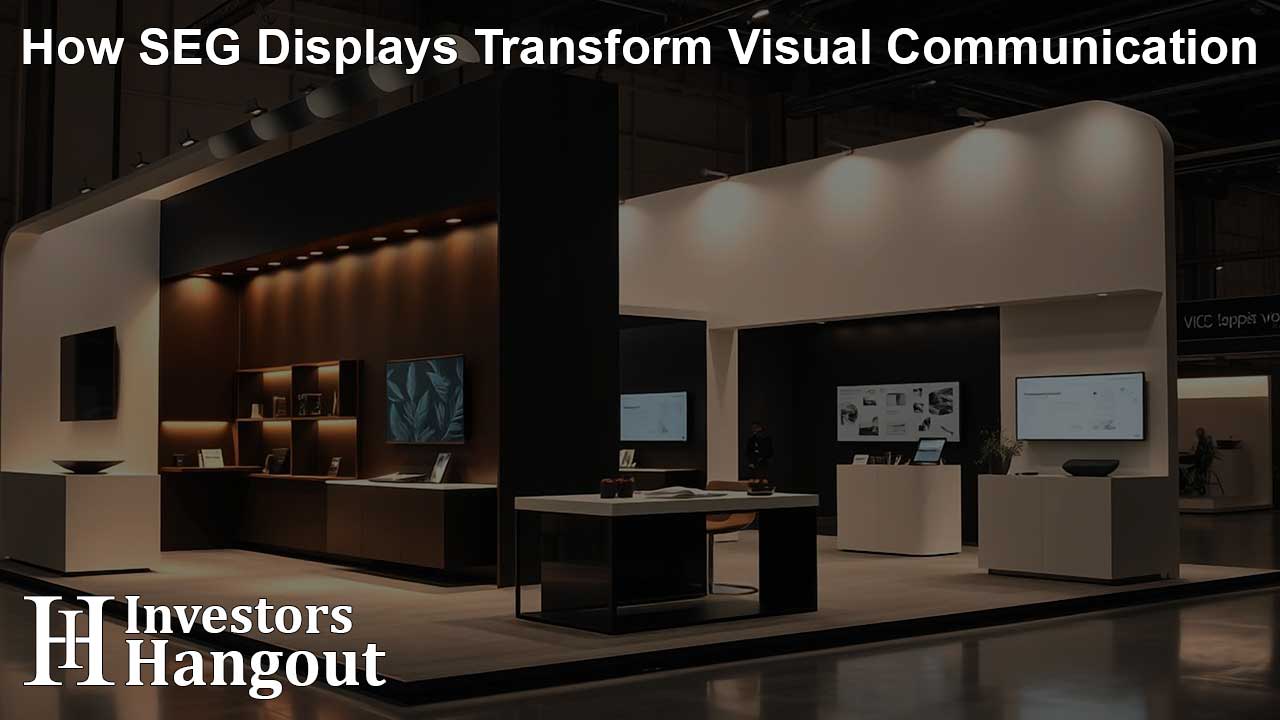
Visual communication has evolved far beyond static posters and traditional signage. In an environment where brands compete for attention across physical and hybrid spaces, the way information is presented is just as important as the message itself. Silicone Edge Graphics (SEG) displays have emerged as a powerful solution that reshapes how brands communicate visually, offering flexibility, clarity, and a refined aesthetic.
SEG systems combine fabric-based graphics with precisely engineered frames, enabling seamless visuals that integrate naturally into modern business environments. Their impact goes beyond appearance, influencing how audiences perceive, engage with, and remember brand messages.
The Role of Light in Modern Visual Messaging
Lighting is one of the most influential factors in visual communication. It affects color accuracy, contrast, readability, and emotional response. Poor lighting can diminish even the strongest design, while well-integrated illumination can elevate simple visuals into compelling brand statements.
SEG technology allows lighting to become part of the display itself rather than an external addition. With evenly distributed LEDs and minimal shadowing, a seg lightbox enhances visibility in a wide range of environments, from retail interiors to exhibition halls. This integration ensures that messages remain clear and vibrant regardless of ambient lighting conditions.
Seamless Design and Spatial Integration
One of the defining characteristics of SEG displays is their ability to blend into architectural spaces. The slim aluminum frames and tensioned fabric create a smooth, borderless appearance that feels intentional rather than temporary. This makes SEG systems particularly effective in environments where design cohesion matters, such as corporate offices, flagship stores, and hospitality venues.
Because SEG displays can be wall-mounted, freestanding, recessed, or suspended, they offer designers the freedom to think spatially. Instead of placing isolated signs, brands can create visual pathways, storytelling zones, and immersive environments that guide attention and reinforce messaging.
Adaptability and Content Refresh
Modern visual communication demands speed and adaptability. Campaigns change frequently, product lines evolve, and messaging must respond to market trends. SEG displays support this dynamic approach by allowing graphics to be replaced quickly without altering the underlying structure.
This adaptability reduces waste and operational downtime. Teams can update visuals overnight, transport systems between locations, or reuse frames for entirely different purposes. As a result, SEG displays align well with both agile marketing strategies and sustainability goals.
Fabric-Based Graphics and Visual Quality
The real appeal of SEG lies in the fabric itself. Unlike rigid panels or shiny vinyl, seg fabric graphics offer rich, deep colors without the annoying glare. They’re designed to stay perfectly taut—no warping or sagging over time.
But the best part is the practicality: you can literally fold them up for transport, and they’ll still look flawless once installed. In an indoor setting, that soft, matte finish feels much more high-end and natural than heavy, traditional signage.
Transforming Brand Communication Across Industries
SEG displays have proven effective across a wide range of industries. Retail brands use them to create seasonal environments, exhibitions rely on them for lightweight yet impactful backdrops, and corporate spaces adopt them for branding, wayfinding, and internal communication.
Ultimately, this isn't just about putting up a sign—it’s about how a space feels. SEG displays turn visual communication into a seamless part of the environment. They offer the kind of polish and flexibility that modern brands actually need to keep their physical spaces as dynamic as their digital ones.