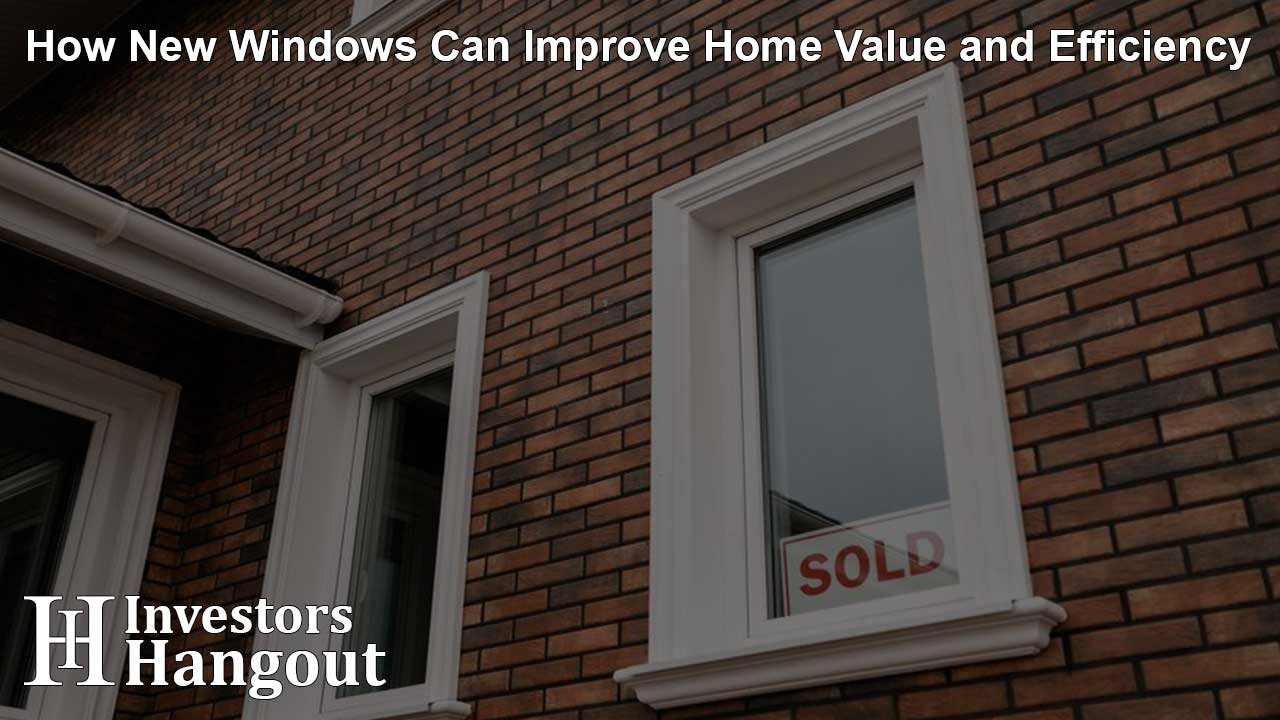
If you own property in Orlando, window decisions can carry more weight than they do in milder markets. Heat, humidity, strong sunlight, and storm exposure make windows more than a cosmetic feature. They influence energy use, indoor comfort, maintenance requirements, and the way potential buyers evaluate a property. Replacing outdated windows can therefore be a practical investment, provided the products and installation are suited to the home. The key is to look beyond appearance and understand how the upgrade affects your property's long-term costs and performance.
Why Windows Matter More Than You Might Expect
Windows sit at the intersection of comfort, energy efficiency, and property maintenance. Older units with worn seals, damaged frames, or inefficient glass can allow unwanted heat transfer and air leakage. During long cooling seasons, that can make indoor temperatures harder to manage and place additional demands on air-conditioning equipment.
Potential buyers and renters may notice these issues during a viewing. They might feel warm air near a window, struggle to open or close a unit, or spot condensation and visible deterioration. These details can create the impression that other maintenance expenses may be waiting.
If you're seeking a company that offers window replacement Orlando has many experts who can help you find the right solution for your home. Before making a decision, compare their services, product options, and installation experience to ensure the upgrade meets your property's needs.
Better Windows Can Change Your Home's Operating Costs
A window upgrade is often described as a curb appeal improvement, but its financial benefits may begin with everyday operating costs. Insulated glass, low-emissivity coatings, suitable solar heat gain ratings, and effective weatherstripping can help limit unwanted heat transfer and air leakage.
The right specifications depend on the property's climate and orientation. A window that performs well in a colder region may not be the best choice for a home that receives strong sunlight and relies heavily on air conditioning.
The U.S. Department of Energy explains how window features such as multiple panes, low-emissivity coatings, and lower solar heat gain can help improve performance in warmer climates. Its guide to energy-efficient residential windows is useful when comparing specifications rather than relying on product descriptions alone.
Lower energy use is not guaranteed to recover the entire replacement cost. Actual savings depend on the original windows, selected products, installation, household energy use, and local conditions. Still, reduced air leakage and improved insulation can make indoor spaces more comfortable while helping manage cooling expenses.
Storm Protection Is Part of the Investment
In areas exposed to hurricanes and severe storms, window performance also involves resilience. Strong winds and flying debris can damage unprotected openings, potentially exposing the interior to rain and creating additional pressure on other parts of the building.
Impact-rated windows are designed and tested to meet specific performance requirements. However, not every product marketed as a storm-resistant window provides the same level of protection. Homeowners should ask for documentation showing the product's tested ratings and confirm that it meets the requirements applicable to the property.
The Florida Division of Emergency Management provides a helpful explanation of windborne debris protection standards, including why product testing and proper installation matter. This is an important distinction when comparing standard replacement windows with impact-rated options.
Impact-resistant products may also offer benefits such as noise reduction and protection from some forms of everyday damage. However, homeowners should evaluate these features separately rather than assuming every product delivers identical results.
Resale Value Is About More Than Recovering the Purchase Price
Replacing windows does not automatically increase a property's resale value by the full amount spent. From a real estate perspective, the financial return depends on the local market, the condition of the original windows, the quality of the replacement, and what competing properties offer.
However, new windows can strengthen the overall impression of a well-maintained home. Buyers may be less concerned about immediate repairs when windows operate smoothly, look consistent, and come with documentation showing what was installed.
There can also be an indirect financial benefit during negotiations. A property with visibly deteriorated windows may attract questions about water intrusion, energy efficiency, or future replacement costs. Addressing those concerns before listing can reduce potential objections and make the home easier to present.
The most realistic approach is to treat window replacement as one part of a broader property improvement strategy, not a guaranteed resale profit.
Installation Quality Determines Whether the Upgrade Performs
Even a high-quality window can underperform if it is installed incorrectly. Gaps around the frame, inadequate flashing, poor sealing, or inaccurate measurements can create air leaks and allow moisture to enter surrounding materials.
Before approving a project, ask how the contractor will inspect the existing openings, remove the old units, prepare the surrounding structure, and seal the new installation. It is also sensible to clarify who will handle permits and confirm that the proposed work meets applicable building requirements.
Request a written estimate that separates product costs, labor, removal, disposal, finishing work, and any additional repairs. This makes it easier to compare quotations fairly and identify expenses that might otherwise appear after the project begins.
The cheapest proposal is not necessarily the best value. A reliable installation, appropriate product specifications, and clear warranty terms can matter more over time than a small difference in the initial price.
Choose Windows Based on Your Ownership Goals
The best replacement option depends partly on how you intend to use the property. If you plan to remain in the home for many years, comfort, energy performance, noise reduction, and ease of operation may deserve priority. These benefits affect everyday living rather than only the eventual resale.
For a rental property, durability and straightforward maintenance may be more important. Windows that operate reliably and resist common weather-related problems can reduce maintenance requests and help create a more comfortable environment for tenants.
If you expect to sell soon, focus on improvements that buyers can recognize and verify. Consistent finishes, smooth operation, suitable performance ratings, and installation records can help demonstrate that the work was completed thoughtfully. Avoid paying for premium features that exceed the expectations or needs of the property.
Plan the Project Before Problems Become Urgent
Waiting until a window cracks, leaks, or becomes difficult to operate can limit your choices. Emergency work may leave less time to compare products, review estimates, and coordinate contractors.
Planning ahead gives you more control over scheduling and budgeting. It also allows window replacement to be coordinated with other improvements, such as exterior painting, siding repairs, or door upgrades.
Before making a decision, inspect the existing windows and identify the problems you want to solve. Compare product ratings, ask about installation procedures, review warranty coverage, and consider the likely maintenance requirements. A clear understanding of the project's purpose makes it easier to decide whether the expected benefits justify the expense.
Make the Upgrade Work for Your Property
New windows can influence several aspects of homeownership at once, from indoor comfort and energy use to storm preparedness and buyer confidence. Their value is not determined by appearance alone. Product performance, installation quality, property condition, and ownership plans all shape the financial outcome.
A well-planned replacement project should address specific weaknesses in the existing windows rather than simply follow a popular design trend. When the products suit the property and the installation is handled properly, the upgrade can support more predictable maintenance, improved comfort, and stronger long-term property performance.