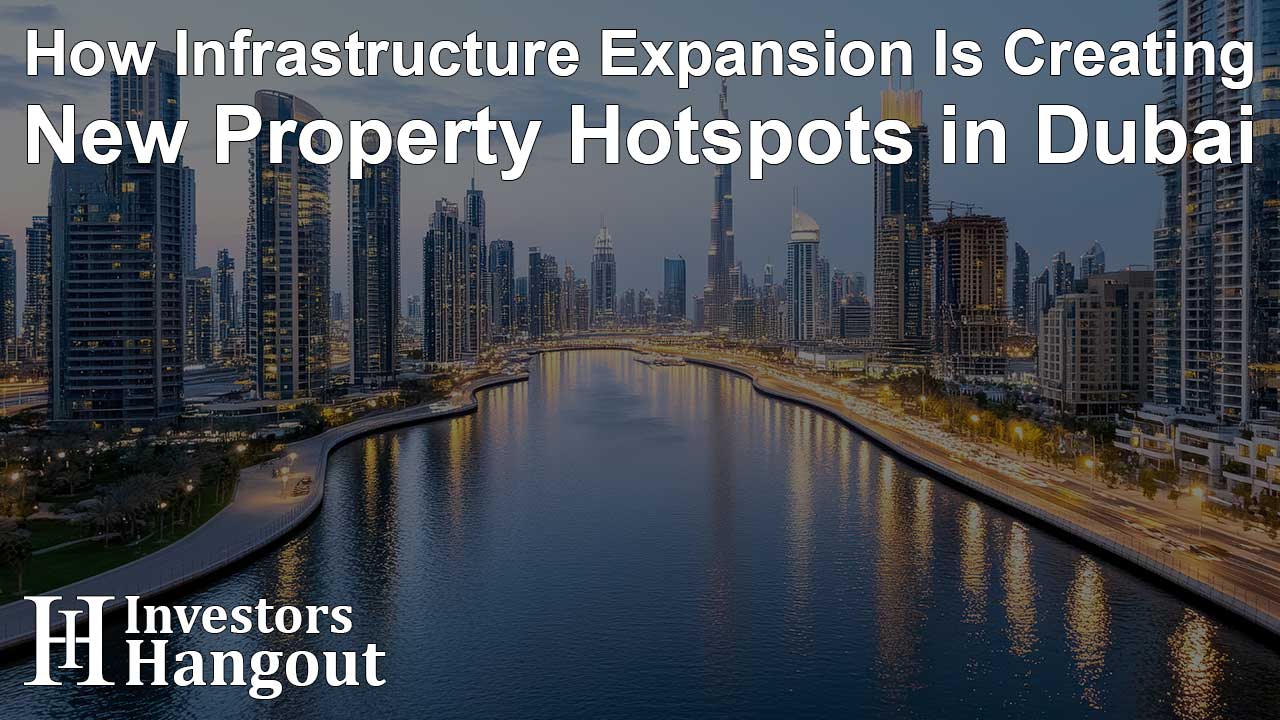
Dubai has long been recognized for its ambitious urban development, but in recent years, infrastructure expansion has become one of the biggest drivers of the city's real estate growth. Large-scale investments in transportation networks, roads, airports, public facilities, and mixed-use communities are transforming previously underdeveloped areas into highly desirable residential and investment destinations. As connectivity improves and new amenities emerge, these neighborhoods are attracting homebuyers, investors, and businesses alike, creating a new generation of property hotspots across the emirate.
Whether you're looking to purchase your first home or invest in Dubai's thriving property market, understanding how infrastructure influences real estate values can help you identify promising locations before they reach peak demand.
Dubai's Continuous Urban Development Strategy
Dubai's long-term urban planning focuses on sustainable growth, smart mobility, and integrated communities. Rather than concentrating development solely within established districts, the emirate continues expanding into new areas supported by modern infrastructure and comprehensive master plans.
New residential districts are being developed alongside business hubs, educational institutions, healthcare centers, and leisure attractions, reducing commuting times while creating self-sufficient communities. This balanced approach has encouraged both local and international buyers to explore emerging neighborhoods beyond traditional investment locations.
Improved Transportation Is Driving Property Demand
Transportation infrastructure remains one of the strongest catalysts for property appreciation in Dubai.
The continuous expansion of major highways, road networks, and public transportation has made previously distant communities more accessible to business districts and commercial centers. Improved connectivity reduces travel times, increases convenience, and enhances the appeal of residential developments located outside the city center.
Communities with easy access to major roads and public transport often experience stronger demand from both tenants and buyers, making transportation upgrades a key factor when evaluating investment opportunities.
The Rise of Master-Planned Communities
Modern infrastructure is enabling the development of large master-planned communities that combine residential, commercial, recreational, and educational facilities within a single destination.
These integrated neighborhoods allow residents to live, work, shop, and relax without traveling long distances, creating highly desirable environments for families and professionals alike.
Master-planned communities typically include:
-
Landscaped parks
-
Schools and nurseries
-
Healthcare facilities
-
Retail centers
-
Cycling and walking tracks
-
Community clubs
-
Sports facilities
-
Green open spaces
Dubai South: A Growing Investment Destination
Among Dubai's fastest-growing districts, Dubai South has emerged as a prime example of how infrastructure expansion creates new real estate opportunities.
Strategically located near Al Maktoum International Airport and major transportation corridors, Dubai South has evolved into a mixed-use destination designed to support residential, commercial, and logistics activities. Continuous investment in roads, public services, and community facilities has accelerated demand from both homeowners and investors.
Buyers interested in exploring new projects in Dubai South can find a wide range of off-plan developments offering modern amenities, flexible payment plans, and strong long-term investment potential.
Growing Demand for Emerging Communities
As infrastructure improves, buyers are increasingly considering neighborhoods that were previously overlooked.
Emerging communities often offer larger properties, newer developments, and more competitive pricing compared to established districts. As schools, healthcare facilities, retail centers, and transportation links continue to expand, these areas become increasingly attractive for families seeking long-term residences.
Investors also recognize that purchasing property during the early stages of infrastructure development can provide greater opportunities for capital appreciation over time.
Infrastructure and Property Value Growth
Infrastructure investment directly influences property values in several ways.
Improved accessibility makes communities more desirable, attracting a larger pool of buyers and tenants. Better public services enhance residents' quality of life, while commercial developments create employment opportunities that further increase housing demand.
As neighborhoods mature and additional amenities become available, property prices often reflect the area's improved desirability. Although market conditions can vary, infrastructure remains one of the most reliable long-term drivers of real estate growth.
Smart City Development and Sustainability
Dubai continues integrating smart technologies into its urban planning strategy.
New residential developments increasingly feature energy-efficient buildings, smart home technologies, digital services, and environmentally sustainable infrastructure. These innovations improve operational efficiency while supporting the emirate's long-term sustainability objectives.
Communities designed around walkability, green spaces, and smart mobility are becoming increasingly attractive to environmentally conscious buyers seeking modern living standards.
What Buyers Should Consider?
Although infrastructure expansion creates exciting opportunities, buyers should carefully evaluate several factors before making a purchase.
Location remains one of the most important considerations. Assess proximity to transportation networks, schools, hospitals, shopping centers, and employment hubs.
It is also important to research the developer's reputation, construction progress, planned community facilities, and expected completion timelines for off-plan projects.
Understanding long-term government development plans can provide valuable insight into future demand and property appreciation potential.
Why Are Investors Watching Infrastructure Closely?
Experienced investors recognize that infrastructure often precedes real estate growth. Major transportation projects, airport expansions, and new commercial districts frequently attract both businesses and residents, increasing demand for nearby housing.
Investing in emerging areas supported by government-backed infrastructure initiatives can offer opportunities for competitive rental yields and long-term capital growth. However, successful investment decisions should always be based on thorough market research, financial planning, and individual investment objectives.
Frequently Asked Questions
How long does it usually take for infrastructure projects to influence property prices?
The timeline varies depending on the type and scale of the infrastructure project, its construction progress, market conditions and the level of demand in the surrounding area. Its impact may begin after the announcement and develop gradually during construction and following completion.
Are off-plan properties in emerging communities suitable for first-time buyers?
Yes, particularly for buyers seeking flexible payment plans and modern developments. However, it's important to evaluate the project's location, developer, and completion timeline.
What types of infrastructure have the greatest impact on residential demand?
Transportation networks, schools, healthcare facilities, retail centers, parks, and business districts generally have the strongest influence on residential property demand.
Can infrastructure improvements increase rental demand as well as property values?
Yes. Improved accessibility and better community amenities often attract more tenants, contributing to stronger rental demand in developing areas.
Should buyers only focus on established neighborhoods?
Not necessarily. Emerging communities supported by long-term infrastructure investment may offer greater growth potential, although buyers should carefully research future development plans.
How can buyers stay informed about future infrastructure developments in Dubai?
Government announcements, official urban planning initiatives, and trusted real estate platforms regularly publish updates on upcoming infrastructure projects and community developments.