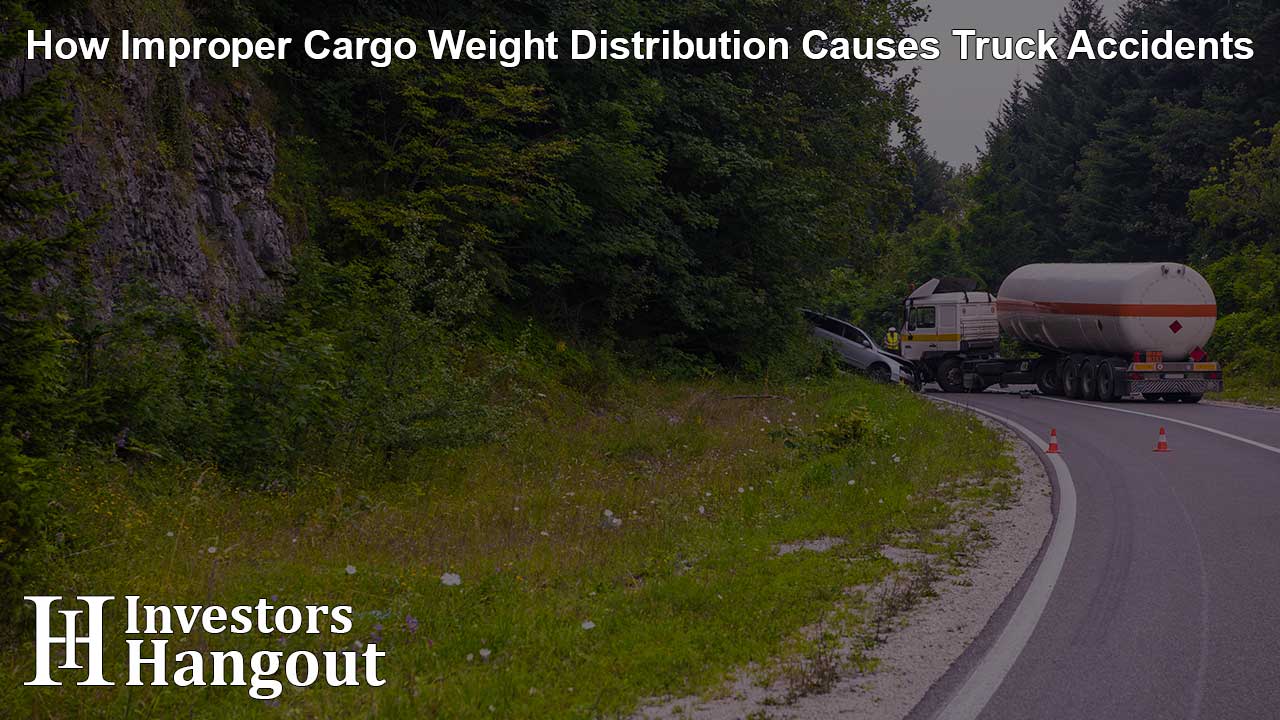
From the outside, a fully loaded tractor-trailer can look perfectly ready for the road. The doors are sealed, the straps look tight, and the paperwork says the weight is within legal limits. Nothing seems out of place to the casual observer.
Inside the trailer, though, the story may be very different. Freight stacked too high, pushed too far forward, or crowded onto one side can quietly change how the truck steers, brakes, and handles curves. For a transportation business, the problem stays hidden until the truck is asked to react.
Balance problems like these rarely announce themselves. They often reveal themselves only during a sudden stop, a sharp turn, or an emergency maneuver, which is exactly when a driver needs the truck to behave predictably and safely.
Why Where the Weight Sits Matters as Much as How Much It Weighs
Every loaded truck has a center of gravity, the point where its weight is balanced. When cargo is loaded low and evenly, that center stays stable. When freight sits high or off to one side, the truck becomes much easier to tip.
Axle loads matter too. Federal rules generally cap gross weight at 80,000 pounds on interstates and set separate limits for individual axles and axle groups. A truck can be legal overall while still overloading one axle.
That's the core problem with improper cargo weight distribution. Even when the total weight is within legal limits, poorly placed freight can make a truck harder to steer, slower to stop, and more likely to lose control in an emergency.
The Physics Behind a Truck That Suddenly Tips Over
When a truck turns, forces push its weight toward the outside of the curve. A low, balanced load resists that push. A high or lopsided load amplifies it, bringing the trailer closer to its tipping point.
Shifting cargo makes the situation worse. If freight slides toward one side during a turn, it suddenly adds weight exactly where the truck can least afford it. That shift can happen in a fraction of a second, leaving the driver almost no time to respond.
Sudden maneuvers raise the risk even more. A quick swerve to avoid a stopped car or a sharp correction on a highway ramp can push an unstable load past its limit, causing a rollover that might never happen with properly balanced freight.
How Uneven Loads Can Affect Braking and Steering
Overloaded axles put extra strain on tires, brakes, and suspension. Tires can overheat or wear unevenly, and brakes working harder than intended may fade during long descents or repeated stops in heavy traffic. Heat buildup is a quiet warning sign drivers can't always feel.
Weight distribution also affects traction. Too little weight on the steering axle can make steering feel light and less responsive, while too much weight in the rear can change how the trailer tracks behind the tractor during turns.
Braking imbalance is another concern. When some wheels carry far more weight than others, the truck may pull to one side or take longer to stop. In wet or icy conditions, these handling problems can quickly turn into jackknifes or skids.
Who Is Responsible for Making Sure a Truck Is Loaded Safely?
Responsibility is often shared. Drivers are generally expected to inspect their load and securement when possible, monitor how the truck handles, and stop at scales to check axle weights. Adjusting the trailer's tandems or fifth wheel can help shift weight.
Carriers set training, policies, and equipment standards, while shippers and loaders physically place the freight. When a trailer is sealed before the driver arrives, the driver may have limited ability to inspect it, raising questions about who bears responsibility.
Federal weight and securement regulations apply throughout the process. When a crash involves poorly balanced freight, investigators may look at bills of lading, scale tickets, loading records, and inspection reports to determine what went wrong and who may be accountable.
Conclusion
A truck that looks perfectly normal can still carry a hidden balance problem. Where the weight sits often matters as much as how much the truck weighs, especially when sudden turns or emergency stops put that balance to the test.
High centers of gravity, overloaded axles, and shifting freight can all contribute to rollovers, braking problems, and loss of control. These dangers often stay invisible until the worst possible moment arrives on the highway. By then, correcting the problem may be impossible.
Proper loading plans, axle-weight checks, secure tiedowns, and routine inspections are essential safeguards. When every party involved takes balance seriously, the risk of these preventable truck accidents drops significantly for everyone sharing the road. Balance is everyone's job.