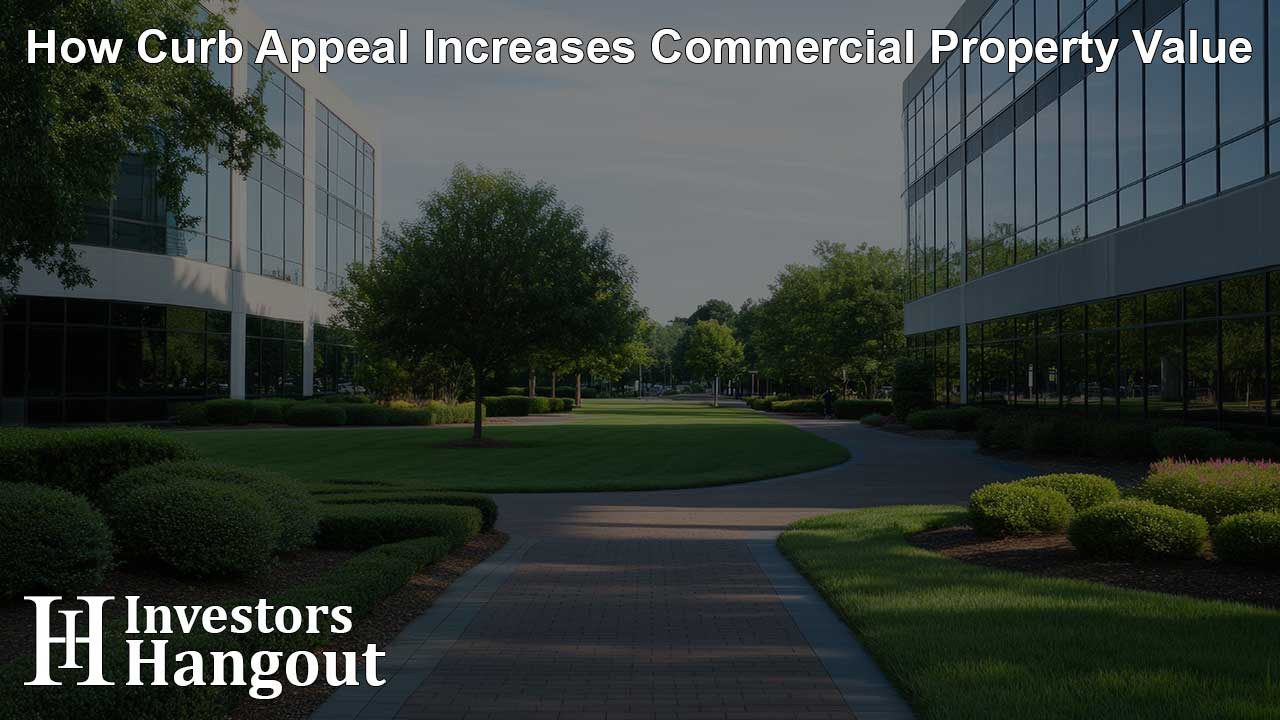
The exterior of a commercial building does a lot of talking before anyone steps through the front door. Tenants, customers, and visitors form opinions the moment they pull into the parking lot, and those opinions shape decisions about whether to lease, return, or recommend. For investors in North Texas, where competition for quality tenants keeps growing, the condition of a property's exterior is not a minor detail.
Curb appeal goes beyond keeping things tidy. A well-maintained exterior signals that a property is managed with care, and that perception carries real weight in leasing conversations. Thoughtful improvements, from basic maintenance to landscaping and outdoor amenities, can make a meaningful difference in how a property competes and how long tenants choose to stay
What Curb Appeal Actually Means for Commercial Investments
Curb appeal looks different depending on the type of property. A retail strip center, a suburban office building, and a multi-tenant business park each have distinct priorities. What they share is a set of visible elements that shape how people experience the property from the outside.
Investors evaluating a commercial asset should pay attention to the building facade, main entrance, lawn areas, parking lot, signage, exterior lighting, and any shared outdoor spaces. The goal is not something flashy. It's a property that looks functional, well-cared-for, and appropriate for the businesses operating within it.
Research published in the Journal of Real Estate Finance and Economics found that properties with strong curb appeal, including tidy landscaping and well-maintained exteriors, sell for an average of 7% more than comparable properties in the same area. For a commercial building of any meaningful size, that gap translates into a substantial difference in asset value.
Keep the Building Exterior in Good Condition
Peeling paint, stained concrete, and worn facade materials send a clear signal that a property has not received consistent attention. Cleaning exterior walls, windows, and entryways removes that impression without requiring major capital. Pressure washing alone can restore the appearance of surfaces that look far worse than they actually are.
Fixtures and Hardware
Damaged door hardware, broken light fixtures, and faded trim are small problems with an outsized visual effect. Visitors notice these details even when they are not consciously looking for them. Fixing them before a prospective tenant tour costs relatively little and removes a source of doubt about how the property is managed overall.
Deferred Maintenance
Deferred exterior maintenance compounds over time. A small crack in a facade, left unaddressed, eventually becomes a larger repair and a worse-looking building. Staying ahead of visible deterioration keeps the property looking its best and prevents the kind of impression that kills tenant interest before a conversation even begins.
Improve the Main Entrance and First Impression
The entrance is the focal point of any commercial property's exterior. It is where visitors transition from the outside world into the building, and it deserves more attention than it typically receives.
Professional signage mounted at the right height and scale, clean and attractive doors, well-lit walkways, and a few well-placed planters can transform an entrance from forgettable to welcoming. Accessibility matters here too. A clearly defined path from the parking lot to the front door, free of obstacles and well-lit after dark, makes the arrival experience easier for everyone.
A property with strong curb appeal helps businesses present a professional image to their clients and customers. Features such as clean signage, well-lit entrances, and inviting walkways improve accessibility and visibility, which is especially important for retail and client-facing businesses where exterior presentation directly affects foot traffic.
Invest in a Lawn That Can Handle North Texas Conditions
The lawn surrounding a commercial property is one of its most visible features. It frames the building, borders the walkways, and sets the tone for the entire exterior. Summers here are long and dry spells are common, so turf selection is a practical decision as much as an aesthetic one.
Grasses that perform well in cooler or wetter climates often struggle through a Dallas-Fort Worth summer. A lawn that goes brown in August, or needs constant irrigation to stay presentable, creates maintenance headaches and undermines the appearance investors work to achieve.
TifTuf Bermuda grass is a practical option for properties that need a lawn capable of holding up through heat and dry conditions. Unlike other varieties that go dormant under drought stress, it stays green and uses less water. For a commercial property with large lawn areas, that efficiency has real implications for ongoing maintenance costs.
TifTuf's growth pattern allows for faster establishment and quicker recovery compared to other Bermuda varieties, and it is recommended for commercial applications, featuring an attractive bright green color with faster spring green-up and late fall color retention. For high-visibility areas near entrances and along main walkways, consistent color and density matter throughout the growing season.
A healthy, uniform lawn makes surrounding landscaping look more intentional. It also gets rid of the patchy, worn appearance that draws attention for the wrong reasons.
Use Landscaping to Frame the Property
Trees, shrubs, ornamental grasses, and seasonal plantings do more than add color. Arranged thoughtfully, they direct attention toward entrances, soften the look of large parking areas, and give a property a sense of scale and proportion.
The most common mistake in commercial landscaping is selecting plants based on appearance rather than suitability. North Texas growing conditions are demanding, and plants that look attractive at the nursery may struggle without significant irrigation or maintenance. Choosing species adapted to the local climate cuts long-term maintenance demands and keeps the landscape looking consistent year after year.
But overgrown or poorly maintained landscaping works against the investor. Shrubs that block signage, beds overtaken by weeds, and trees with dead limbs create an impression of neglect that no amount of interior renovation can fully offset. Regular upkeep is as important as the initial planting plan.
Create Useful Outdoor Spaces
Outdoor amenities are particularly valuable for office properties. Tenants who spend their workday inside a building appreciate having somewhere to step outside during breaks, hold informal conversations, or just decompress for a few minutes.
A simple patio with seating, a shaded courtyard, or a defined break area near the building's rear or side can add genuine appeal without requiring a large investment. The key is designing these spaces around the people who will actually use them, with comfortable seating, shade where the sun is strongest, and surfaces that stay clean and presentable.
For mixed-use and multi-tenant properties, shared outdoor spaces also give tenants a reason to stay on-site during the day. That contributes to the kind of community feel that supports lease renewals.
Don't Overlook Parking, Lighting, and Signage
Parking lots are part of the arrival experience, and they often get less attention than the building itself. Faded lane markings, cracked pavement, weeds pushing through asphalt joints, and poor drainage all signal deferred maintenance. Resurfacing or restriping a parking lot is a visible improvement that tenants and visitors notice immediately.
Exterior lighting affects both safety and perception. A well-lit property feels more welcoming after dark and communicates that the owner pays attention to details. Lighting upgrades around entrances, walkways, and parking areas are often among the more cost-effective improvements an investor can make.
Signage serves a practical function, helping tenants, visitors, and delivery drivers navigate the property, but it also contributes to the overall impression. Consistent, professional signage across the property reinforces the sense that the asset is well-managed.
Research shows that 70% of prospective tenants form their judgments about a property's professionalism before they even step inside. Parking, lighting, and signage are all part of that judgment. Investors who treat them as afterthoughts leave a gap in an otherwise strong exterior presentation.
The Takeaway
Consistent attention to a commercial property's exterior is not about luxury or aesthetics for their own sake. It's about creating an environment that looks functional, cared-for, and worth leasing. The specific improvements that make sense depend on the property type, the tenant base, the location, and the available budget, but the underlying principle applies across all of them.
In a North Texas market where tenant options keep expanding, a well-maintained exterior gives a property a genuine competitive edge. Investors who treat curb appeal as part of their broader asset strategy, rather than an afterthought, are better positioned to attract quality tenants, support renewals, and protect long-term value.