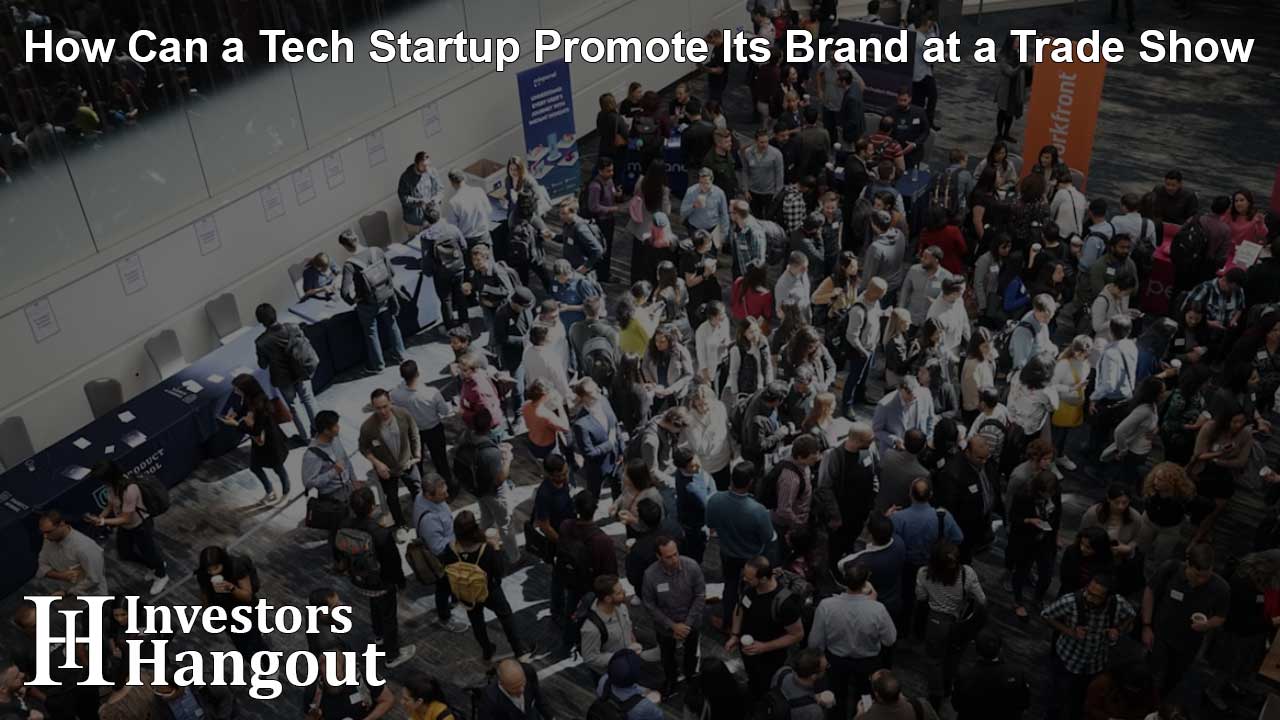
Trade shows can feel overwhelming when you are a young tech startup with big dreams. You walk in and suddenly see hundreds of brands competing for attention. It is easy to feel invisible if you do not have a clear plan.
The good news is that you do not need a massive budget to stand out. What you really need is focus, creativity, and genuine human connection.
Globally, the exhibitions and trade shows market, in 2024, generated a revenue of almost $30,000 million. Within the next four years or so, this market is set to generate $84,598.6 million in revenue. Basically, everyone is investing in trade shows, and there’s no reason your startup shouldn’t either.
When done right, trade shows can accelerate your brand faster than online ads. In fact, in the US alone, the B2B trade show market, as of 2024, was valued at $15.8 billion (estimated). Trade shows in the country seem to finally surpass 2019 pre-pandemic heights.
These trade show events give you real conversations, honest feedback, and valuable industry connections. This article will walk you through a few practical tips to help you shine at a trade show and promote your brand effectively.
#1 Make Your Booth Impossible to Ignore
Your first impression begins long before anyone speaks to you. At a busy trade show, visuals decide whether people stop or walk past. As Classic Exhibits points out, strong visuals that include high-quality images or graphics can instantly grab attention. Strong trade show booths with custom designs instantly communicate confidence and professionalism.
Your exhibits should clearly reflect what your startup actually does. Avoid cluttered layouts that confuse visitors within the first few seconds. Instead, focus on simple messaging that connects your product to real problems.
Many successful trade shows and industry events reward brands that invest in thoughtful presentation. Use lighting, screens, and creative displays to support your story naturally. When people remember your booth, they remember your brand.
#2 Tell a Clear and Relatable Brand Story
People connect more with stories than with technical specifications. Your startup journey is one of your most powerful marketing tools. Practice explaining your mission in simple, human language that feels natural.
Avoid using complicated jargon that only engineers understand. Focus on how your product improves daily life or business operations. When visitors understand your purpose, trust grows faster. Share short examples of how real users benefit from your solution.
Keep your story flexible so it fits different conversations. A strong narrative turns casual visitors into genuine supporters.
#3 Train Your Team to Be Approachable and Confident
Your booth staff represents your entire brand personality. No design can compensate for uninterested or distracted team members. Everyone should feel comfortable starting friendly conversations with strangers.
Smiling, listening, and asking thoughtful questions build instant rapport. Avoid sitting behind tables or staring at phones during slow moments. Instead, stay alert and ready to engage at any time. Practice answering common questions without sounding rehearsed.
Confidence comes from preparation, not arrogance. When people enjoy talking to you, they remember your company positively.
#4 Offer Meaningful Product Demonstrations
A live demonstration often speaks louder than any brochure. Showing your product in action builds credibility and excitement quickly. Keep demos short enough to respect busy schedules. Focus on one or two impressive features instead of everything at once.
Invite visitors to interact with your technology whenever possible. Hands-on experiences create stronger emotional connections with your brand. Prepare backup plans in case of technical issues. Nothing damages trust faster than repeated system failures. A smooth demo makes your startup feel reliable and professional.
#5 Collect Leads Without Feeling Pushy
Lead collection should feel helpful, not aggressive or awkward. Start by offering something valuable in exchange for contact information. This could be useful content, early access, or exclusive updates. Explain clearly how you will use their information.
Transparency builds comfort and reduces hesitation. Use digital tools whenever possible to simplify data collection. Paper forms often get lost or damaged after busy days. Always thank people sincerely for their time and interest. Respectful follow-ups begin with respectful first interactions.
#6 Follow Up Quickly and Thoughtfully
Your work does not end when the trade show closes. Most valuable opportunities appear during the follow-up phase.
In the US, average exports decreased by $2.2 billion in December of 2025. On the other hand, average imports increased by $5.3 billion that same month. With exports declining, tech startups are fearing losses. Unless you can secure potential business deals and act on them quickly after the trade show, you too could suffer losses.
Send personalized messages within a few days while memories remain fresh. Mention specific conversations to show genuine attention and care. Avoid generic templates that feel automated and impersonal. Offer helpful resources instead of immediate sales pitches.
This approach builds trust before asking for commitment. Keep track of responses and adjust your strategy accordingly. Consistent follow-ups turn short meetings into long-term partnerships.
FAQs
How do brands promote themselves at a trade show?
Brands promote themselves at trade shows by designing attractive booths, showcasing products through live demonstrations, and offering promotional materials. They engage visitors with trained staff, interactive displays, and giveaways. Collecting leads, sharing digital content, and following up after the event helps convert interest into long-term business relationships.
How to attract attention at a trade show?
To attract attention at a trade show, use bold visuals, clear signage, and creative booth designs. Offer live demos, contests, or free samples to engage visitors. Friendly staff, strong branding, and social media promotion before and during the event also help increase visibility and foot traffic.
Why do tech startups invest in trade show booths?
Tech startups invest in trade show booths to increase brand awareness, meet potential clients, and attract investors. These events provide direct access to industry professionals and decision-makers. Showcasing innovations in person builds credibility, generates leads, and helps startups understand market needs and competitor activity.
Trade shows can transform your startup if you approach them with intention and confidence. Success comes from preparation, personality, and consistent effort. Every conversation is a chance to learn something valuable. Every connection can lead to unexpected opportunities later.
When you’re representing your tech startup at a trade show, stay curious, friendly, and authentic. With these habits, your brand will grow stronger at every show.