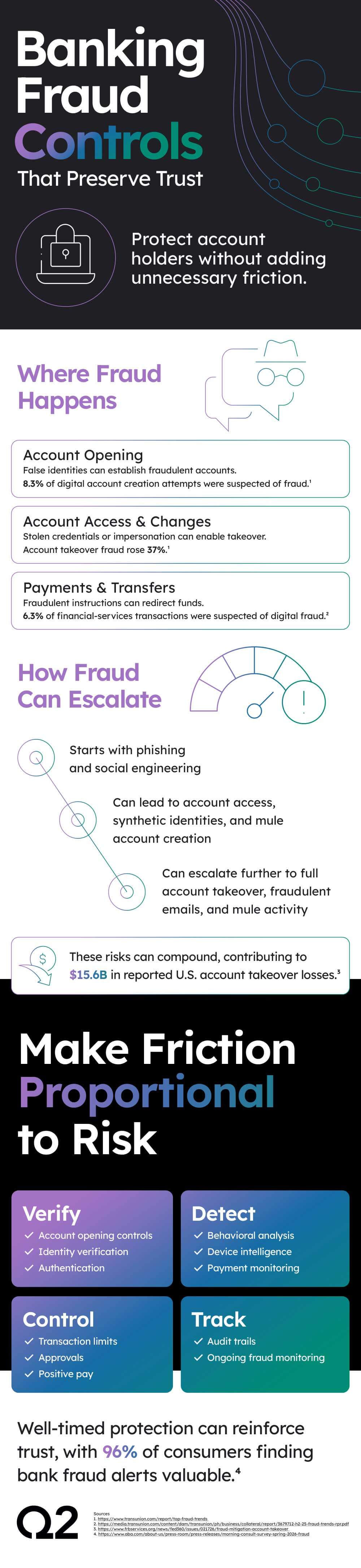
Banking fraud can damage more than a financial institution's balance sheet. Unauthorized transactions, account takeovers, and payment scams can leave customers questioning whether their money and personal information are secure. For banks serving individual investors and businesses, preventing these incidents requires effective security controls without making everyday transactions unnecessarily difficult. A balanced approach combines fraud detection, account protection, employee oversight, and clear communication to maintain confidence in financial services.
Strengthen Identity Verification Without Creating Friction
Account takeover fraud often begins with stolen login credentials, phishing messages, or compromised personal information. Criminals may use these details to access accounts, change contact information, or initiate unauthorized transfers, creating costs that can ripple through the broader economy.
Multifactor authentication provides an additional layer of protection beyond passwords. However, banks should consider the risks associated with different authentication methods, particularly when criminals attempt to intercept verification codes or manipulate customers.
Risk-based authentication can help reduce unnecessary interruptions. For example, a familiar customer logging in from a recognized device may face fewer verification steps than someone attempting a large transfer from an unfamiliar location.
Monitor Transactions for Suspicious Activity
Fraud detection systems help banks identify transactions that differ from established customer behavior. Unusual transfer amounts, unfamiliar beneficiaries, and rapid withdrawals may indicate potential account compromise.
Financial institutions increasingly use AI banking analytics to examine transaction patterns and identify suspicious activity across large volumes of data. These systems can help investigators prioritize higher-risk transactions for additional review.
However, automated alerts require careful management. Excessive false positives can delay legitimate payments and frustrate customers, particularly investors transferring funds between accounts. Banks should regularly evaluate detection accuracy and adjust controls based on emerging fraud patterns.
Establish Strong Internal Payment Controls
External criminals are not the only source of financial risk. Weak internal procedures can create opportunities for unauthorized payments, employee misconduct, and processing errors that can increase costs across the broader economy.
Segregation of duties helps prevent one employee from controlling an entire transaction. For example, the person creating a high-value payment should not automatically have authority to approve its release.
Additional controls may include transaction limits, dual authorization, and independent reviews of changes to beneficiary information. Regular audits can identify procedural weaknesses before they result in financial losses.
Respond Quickly When Fraud Occurs
Even effective prevention systems cannot eliminate every fraudulent transaction. A financial institution's response can significantly influence whether customers maintain confidence after an incident, which can also affect trust in the broader economy.
Banks should provide accessible reporting channels and clear instructions for customers who suspect unauthorized activity. Employees need established procedures for securing affected accounts, investigating transactions, and escalating urgent cases.
Communication should explain what customers can expect during an investigation, including applicable timelines and documentation requirements. Prompt updates can reduce uncertainty, even when an investigation remains unresolved.
Protect Customers Through Education and Transparency
Customers play an important role in preventing fraud, but financial institutions should avoid placing the entire responsibility on account holders. Practical education should explain common threats, including impersonation scams, fraudulent payment requests, and phishing attempts. Banks can also remind customers that legitimate representatives will not request passwords or authentication codes through unsolicited messages.
Security notifications should be clear and actionable. Customers receiving alerts about unfamiliar activity need straightforward ways to verify transactions and contact their financial institution.
Effective fraud prevention depends on controls that protect assets while preserving convenient access to banking services. Financial institutions that continually evaluate these safeguards can strengthen operational security while maintaining the trust essential to long-term customer relationships. Look over the infographic below to learn more.