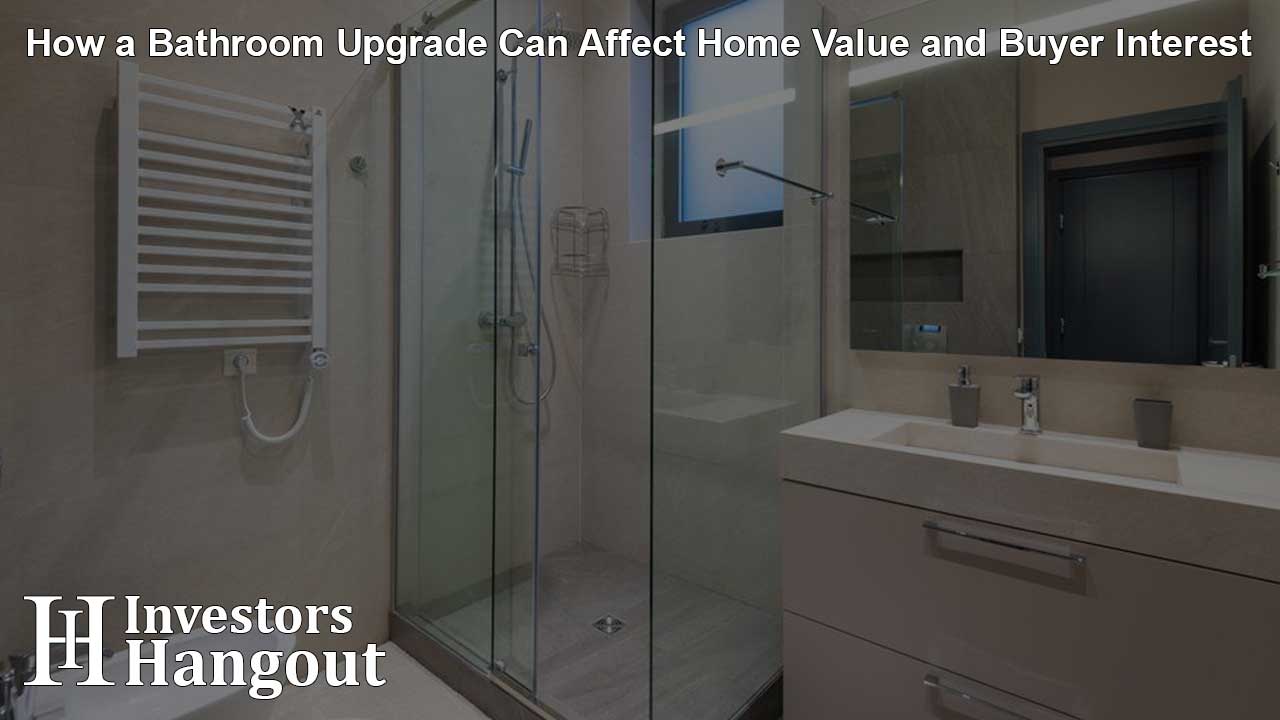
If you follow real estate trends, you’ve probably noticed how quickly buyers form opinions. Bathrooms are a big part of that process. In many markets, especially where older homes compete with newer listings, a dated shower can make an otherwise solid property feel tired.
Even in high-demand areas, buyers still notice maintenance signals, design choices, and whether a bathroom looks move-in ready or like a weekend project waiting to happen.
Why Bathrooms Carry So Much Weight in Real Estate
You can get away with a plain guest room. You usually can’t get away with a rough bathroom. Buyers read bathrooms as a sign of overall upkeep, and they do it fast. Cracked tile, stained grout, low water pressure, and worn fixtures suggest deferred maintenance, even when the roof and HVAC are perfectly fine.
Bathrooms also hit a sweet spot between emotional appeal and practical function. People imagine using the space every single day, not just admiring it during a showing. A clean, modern shower often feels more important than a trendy accent wall in the dining room.
From an investment angle, bathroom updates tend to support resale conversations because they’re visible, useful, and easy for buyers to evaluate. Nobody needs a spreadsheet to recognize a bathroom that looks fresh versus one that belongs in a time capsule.
When a Shower Update Makes Financial Sense
Not every bathroom needs a gut renovation. If the vanity is dated but functional and the flooring is in decent shape, a targeted update often returns more than tearing the whole room apart. The shower is usually where the real trouble sits, since it absorbs daily water exposure that no other fixture in the house has to handle.
An aging shower with a cracked surround, failing grout, hidden leaks, or mold behind the walls quietly damages the framing and subfloor while the rest of the bathroom looks perfectly fine. Once that damage spreads, a contained project turns into structural repair work that costs several times more, which is why a shower replacement handled early is the sensible call. A good contractor will open the area, assess what the water has already reached, and tell you honestly how far the work needs to go.
For owners preparing a property for sale, the math often comes down to market expectations. In a neighborhood where comparable homes already feature updated baths, an old fiberglass insert or cracked tile surround can drag down perceived value. In a rental or flip scenario, replacing the shower may also reduce future maintenance calls, which matters more than flashy finishes.
The key is matching the project scope to the property's price point. Marble everything sounds luxurious until the comps politely disagree.
Features That Tend to Improve Perceived Value
You don’t need a spa-themed fantasy to make a bathroom more appealing. Buyers usually respond best to upgrades that look durable, bright, and easy to live with. Materials and layout choices matter more than gimmicks.
A few details tend to work well across price ranges:
- Frameless or semi-frameless glass for a more open look
- Large-format tile or solid surface walls with fewer grout lines
- Built-in niches for storage without bulky caddies
- Matte black, brushed nickel, or chrome fixtures in simple styles
- Better ventilation to reduce moisture damage and mildew risk
- Strong lighting around the shower area and mirror
- Slip-resistant flooring for safety without sacrificing design
These choices help a bathroom feel updated without boxing you into a trend cycle. Good resale design is often less about showing off and more about removing objections before buyers can form them.
Common Mistakes That Hurt Return on Investment
A bathroom project can go sideways fast when decisions are based only on personal taste or bargain pricing. Cheap materials may photograph well at first, then show wear almost immediately. Buyers notice when corners were cut, especially around waterproofing, drainage, or finish consistency.
One common mistake is over-improving for the neighborhood. If surrounding homes are mid-range, an ultra-luxury shower package may not bring matching returns. Another issue is ignoring layout problems. Fancy tile won’t rescue a shower that feels dark, narrow, or inconvenient to use.
Poor workmanship creates the biggest headaches. Uneven tile, sloppy caulk lines, weak water pressure, or doors that don’t close properly can turn an intended value booster into a red flag. Real estate investors know the drill: cosmetic charm fades quickly when inspection notes start stacking up like unpaid parking tickets.
How Shower Upgrades Play Into Rental and Flip Strategy
If you own rentals or flip homes, the shower isn’t just a style decision. It affects turnover speed, tenant satisfaction, maintenance frequency, and listing photos. A dated bathroom can make a rental feel lower-end, even if the kitchen and living spaces are solid.
For flips, shower updates often help create that clean, move-in-ready impression buyers want. They also photograph well, which matters because many buyers decide whether to visit a property while scrolling on their phones. Crisp tile lines and bright finishes can pull more attention than you’d expect.
For rentals, durability should lead the conversation. Easy-clean surfaces, quality fixtures, and leak-resistant installation save time and money later. Tenants may never praise your grout selection, which is fair, but they’ll definitely remember persistent mildew, weak drainage, or a shower door that fights back every morning.
What to Consider Before Starting the Project
Before you start pricing materials, step back and look at the property through market eyes. Is the goal to sell quickly, justify a higher list price, support stronger rent, or reduce maintenance? Each goal points to slightly different design and budget choices.
Check local comps with updated bathrooms and compare finish levels honestly. Pay attention to whether buyers in your market prefer walk-in showers, tub-shower combos, or accessible layouts. In family-heavy neighborhoods, removing the only tub may be a mistake. In a condo aimed at downsizers, a sleek walk-in shower could be a plus.
Also think about timeline disruption, labor quality, permits, and waterproofing standards. The hidden parts of a shower matter as much as the visible ones. A bathroom should look good, function well, and hold up under daily use. In real estate terms, that’s not extra credit. It’s the baseline buyers increasingly expect.
Final Takeaway for Property Owners and Investors
A shower upgrade won’t rescue a bad floor plan or double a home’s value overnight. Still, it can meaningfully improve buyer perception, support pricing, and reduce the friction that stalls deals. Bathrooms shape trust, and trust influences offers.
If you’re evaluating where to invest renovation dollars, focus on updates that blend durability, broad appeal, and clean execution. A modern shower often checks those boxes better than trend-heavy cosmetic changes elsewhere. The strongest projects don’t scream for attention. They quietly tell buyers the home has been cared for, updated thoughtfully, and priced with logic rather than wishful thinking.
That’s a powerful message in any market.