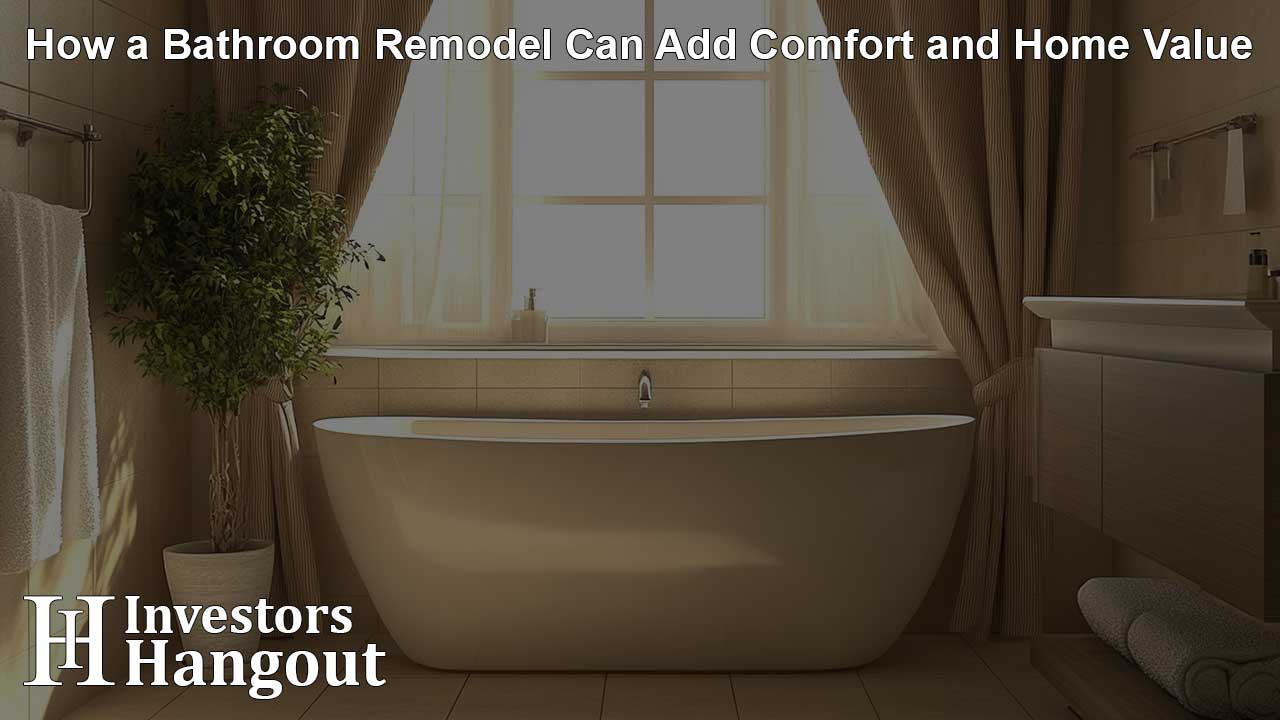
A bathroom renovation can change more than the appearance of a small room. It can improve daily comfort, reduce maintenance concerns, and influence a home’s appeal in the broader real estate market by shaping how future buyers perceive the condition of the entire property. That makes thoughtful upgrades especially relevant in Fort Wayne, where Census data for 2020–2024 show an owner-occupied housing rate of 61.9% and a median value of $188,900 for owner-occupied homes. The key is not simply spending more. It is choosing improvements that make the bathroom feel cleaner, easier to use, and better prepared for years of regular wear.
Buyers Read a Lot Into the Bathroom
Bathrooms have an unusual influence on how a home feels.
A dated bedroom can often be refreshed with paint and furniture. A bathroom showing cracked surfaces, failing sealant, poor lighting, or an aging shower suggests more work—and potentially more expense.
Buyers notice those signals quickly because bathrooms combine plumbing, ventilation, electrical fixtures, and moisture-prone surfaces in a compact space. Problems can feel more consequential than an outdated wall color.
The opposite is also true.
A clean shower, good lighting, useful storage, and well-maintained fixtures can make the property feel cared for. Even when the design is simple, a bathroom that works smoothly helps create confidence in the rest of the home.
That impression is difficult to measure precisely, but it matters when people are comparing properties.
Local Context Should Shape the Scope of the Project
Home improvements make more sense when they fit the property and the surrounding market rather than existing in isolation.
For homeowners researching bathroom remodels in Fort Wayne, it is worth comparing the planned investment with the home's overall condition, expected length of ownership, and the types of improvements likely to matter to future buyers.
A modest home does not necessarily benefit from a bathroom finished like a high-end resort. At the same time, visible wear and outdated fixtures can make an otherwise well-maintained property feel neglected.
Finding the middle ground is usually more useful.
Spend where durability, function, and appearance intersect. That creates a renovation that can improve everyday life now without depending on highly personal design choices to justify the cost later.
Function Usually Creates More Value Than Excess
Renovation budgets can climb quickly when every decision moves toward the premium option.
The most expensive tile, oversized fixtures, complicated layouts, and highly customized finishes may produce an impressive room, but they do not automatically produce a stronger return.
Practical upgrades often work harder.
Replacing a worn shower, improving vanity storage, adding better mirror lighting, repairing damaged surfaces, and choosing durable flooring can make the room feel significantly newer without turning it into a luxury project.
The existing layout deserves consideration too.
Moving plumbing can add substantial cost. If the current arrangement already works reasonably well, improving the fixtures and finishes around it may deliver a more balanced result.
The goal is not to build the most elaborate bathroom possible. It is to remove the features that make the space feel dated, difficult, or poorly maintained.
Water Efficiency Can Add Everyday Value
A renovation is a good opportunity to think about how the bathroom performs, not only how it looks.
Faucets, showerheads, and toilets are used repeatedly every day, so efficiency improvements can continue providing value long after the project is complete.
Choosing water-efficient bathroom fixtures can reduce unnecessary water use while still allowing homeowners to choose from a wide range of styles and finishes. Bathrooms account for a substantial share of indoor residential water use, making fixture selection a practical part of renovation planning.
Efficiency does not need to dominate the design.
A fixture can look appropriate for the room while also using water more responsibly. That combination is often more useful than choosing a product purely because it is fashionable.
Small operational improvements also support the broader impression that the bathroom has been updated thoughtfully rather than cosmetically.
Neutral Does Not Have to Mean Boring
Designing with resale in mind sometimes gets interpreted as making everything plain.
That is not necessary.
A broadly appealing bathroom can still have character through texture, lighting, hardware, mirrors, and carefully chosen accents. The main surfaces simply benefit from being easier for different people to imagine living with.
Permanent finishes deserve the most restraint.
Tile, flooring, large vanities, and countertops are expensive to replace. Extremely bold choices in those areas can narrow the room's appeal faster than accessories that can easily be changed.
A useful approach is to keep the foundation relatively timeless and add personality through details.
That also gives you flexibility while you still own the home. Towels, artwork, hardware, and decorative pieces can change with your taste without requiring another renovation.
Storage Quietly Changes How a Bathroom Feels
Storage rarely becomes the glamorous part of a renovation plan, but it strongly affects usability.
Crowded counters make a bathroom look smaller and harder to maintain. Limited storage forces toiletries, towels, and cleaning supplies into visible areas or other parts of the house.
A better vanity, recessed cabinet, shelving, or carefully planned built-in storage can solve those problems without expanding the room.
This is especially valuable in smaller bathrooms where every surface needs to work efficiently.
When storage is planned well, the space tends to look calmer and more organized. Buyers may not identify cabinetry as the feature that changes their impression, but they notice when the room feels easy to use.
That kind of practical comfort often ages better than a purely decorative trend.
Ventilation Protects the Improvements You Make
Bathrooms create moisture every day, which makes ventilation part of the renovation rather than an afterthought.
A beautiful ceiling, fresh paint, and new cabinetry will not stay attractive if excess humidity repeatedly collects in the room.
Proper bathroom exhaust fan guidance emphasizes exhausting moisture outdoors rather than into an attic or another enclosed part of the building. Effective ventilation can help control condensation and reduce conditions that encourage mildew or moisture-related deterioration.
This is one of those upgrades that may never become the star of a real-estate listing.
It still matters.
Protecting walls, ceilings, cabinetry, and finishes helps preserve the investment already made elsewhere in the room. A quiet, properly installed fan can therefore contribute more long-term value than another decorative feature competing for attention.
Maintenance Should Influence Material Choices
A bathroom that looks excellent immediately after installation is only part of the goal.
Think about what it will look like after several years of showers, cleaning, spills, and ordinary use.
Durable surfaces are often worth prioritizing in wet areas. Flooring should tolerate moisture, shower materials should be manageable to clean, and fixtures should not require constant specialized maintenance to remain presentable.
Grout is another practical consideration. An intricate design with many grout lines may require more upkeep than a simpler surface.
The same thinking applies to countertops, hardware, and cabinetry.
Materials that are appropriate for a moisture-heavy environment tend to protect both appearance and function. That can make the room easier to live with now and easier to present well if the home is eventually sold.
Accessibility Can Add Long-Term Flexibility
Some bathroom improvements become more valuable because they make the room usable for a wider range of people.
Better lighting, thoughtful clearances, easy-to-operate fixtures, slip-resistant surfaces, and lower-threshold shower access can improve comfort without making the bathroom feel institutional.
These choices may become particularly useful for households planning to remain in the home for many years.
They can also make the room more adaptable to visitors or future owners with different mobility needs.
Accessibility works best when considered early in the design rather than added awkwardly later.
Even if extensive modifications are unnecessary now, choosing a layout that provides comfortable movement and reduces avoidable obstacles can make the renovation more practical over time.
The Best Return Includes the Years Before You Sell
Resale value is important, but it should not be the only measure of whether a bathroom renovation succeeds.
You may live with the finished room for years.
During that time, improved lighting can make mornings easier. Better storage can keep counters clear. A properly functioning shower can reduce maintenance frustration. Strong ventilation can help manage moisture, while efficient fixtures can reduce unnecessary water use.
Those benefits have value even if they never appear as a separate line on a future sale price.
A thoughtful bathroom renovation succeeds on both levels: it improves the way the home works today while strengthening the impression of care and usability that may matter to buyers later.
That is usually a better target than chasing the largest or most fashionable transformation.
Build a bathroom that feels durable, comfortable, and appropriate for the home around it, and the value is more likely to last well beyond the first set of before-and-after photos.