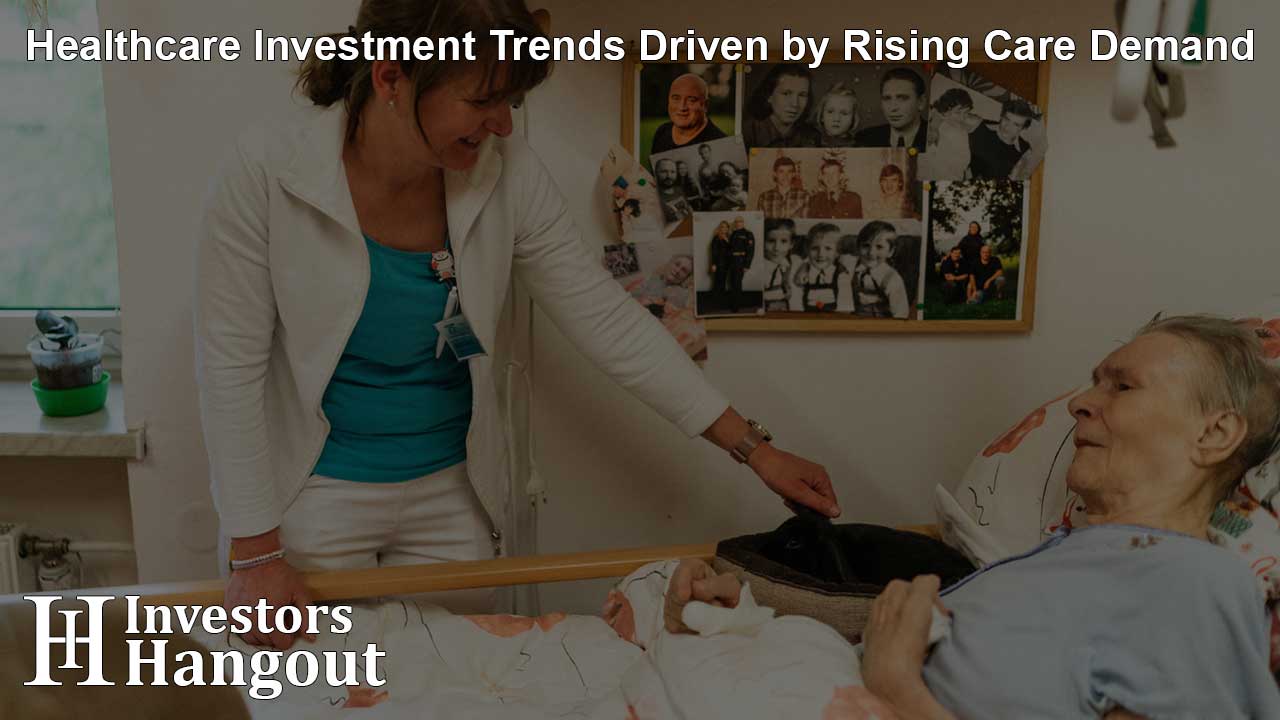
If you have spent any time around healthcare conversations recently, you have probably noticed that the focus is moving. For decades, the biggest investments went into giant city hospitals and high-tech surgical centers. Today, that priority has completely reversed based on what patients, families, and doctors actually want.
People want compassionate, accessible, continuous care delivered right where they live. According to an article published in Michigan Medicine, nearly half (46%) of adults 65 and older have taken steps to keep living in their own homes as they grow older.
This push to age in place is driving an unprecedented surge in demand for in-home care services. This clear preference is transforming where capital flows across the sector. Smart investors are moving beyond hospital walls to back solutions that keep people safe, comfortable, and independent.
In this article, we will look at how this growing demand is reshaping healthcare investments.
Capital Moves Out of Institutional Walls and Right into the Living Room
For years, large hospitals got most of the investment money. But now, that money is moving right into people's living rooms.
Recent analysis highlights how fast this change is happening. According to a McKinsey report on provider investments, patient-focused and community care models are expanding by over 10% annually. They are outpacing traditional facilities as investors funnel capital into doorstep services.
So, where is this investment capital actually going?
-
First, funding flows into home nursing and mobile clinical teams. These teams handle tasks that used to require a hospital stay. They change dressings, give IV medications, and manage chronic pain.
-
Second, investors are funding portable medical gear. Small diagnostic kits, compact dialysis devices, and easy-to-use oxygen systems can now sit on a bedside table.
-
Third, money is backing post-surgery recovery services at home. Getting patients home quickly saves money for everyone. It frees up crowded hospital beds for emergencies. It also reduces costs for payers and families.
Digital Infrastructure and Connected Networks Take Center Stage
Sending aides and nurses into neighborhoods solves only half the puzzle. A distributed team can feel isolated without strong tools. If a home aide spots a sudden change in blood pressure, who hears about it? If a patient lacks food, how does the doctor find out?
Investors are actively funding software tools that link patients, family caregivers, doctors, and community helpers. The goal is simple, and that is, everyone involved in a person's care must share the same clear picture.
The team at Community CareLink explains this well. They point out that "communities are networks, not monoliths". They also state that people deserve tools that respect their time and dignity.
Their insight hits the nail on the head. Staying healthy requires more than doctor visits; it depends on daily nutrition, reliable transit, and safe shelter.
Connected platforms break down walls between clinics and local charities. A nurse can flag an urgent need, and a local food pantry steps in instantly. Investors see that backing this digital backbone eliminates blind spots, reduces emergency visits, and keeps vulnerable loved ones truly supported.
Value-Based Platforms Outpace Traditional Fee-For-Service Models
In the past, healthcare worked mostly on a fee-for-service model. Providers earned money based on the volume of visits, tests, and procedures they performed. That old structure often rewarded volume over real outcomes.
Today, the rising cost of care is forcing a change. Payers and health systems are switching to value-based care models. In this approach, doctors and clinics earn rewards by keeping patients healthy, avoiding hospital visits, and lowering total costs.
This economic transition has become a focal point for prominent institutional investors.
According to General Catalyst CEO Hemant Taneja, the primary goal for future healthcare is "to create a replicable healthcare model that marks a true and meaningful shift from a 'sick care' system to a resilient, proactive model of health assurance. By doing so, we will help people stay well, bend the cost curve through innovation, and make quality care more affordable and accessible."
A healthcare analysis on ResearchGate reveals that established value-based accountability models have reduced unnecessary medical utilization by 10% to 20%.
Investors are eager to back value-based platforms because they want stable, long-term returns. Value-based care relies on predictable monthly budgets to manage patient health. When a provider team keeps patients thriving at home, costs drop sharply. The savings are shared between the government, insurance companies, and providers.
Investors are also funding programs that address root causes of illness. They invest in nutrition plans, fall prevention tools, and routine home checkups. Preventing problems early protects patient health and preserves capital.
FAQs
How do these new investment models help solve the ongoing caregiver shortage?
Investors are funding specialized training academies, automated scheduling apps, and competitive benefit platforms. These tools reduce administrative headaches for in-home workers, boost hourly retention, and attract newer generations into professional caregiving careers through flexible, neighborhood-based shifts.
Will traditional acute-care hospitals become obsolete because of this shift?
Hospitals will remain essential, but their everyday operational purpose will narrow. They will focus almost entirely on intensive trauma, complex surgeries, and emergency life support, leaving routine monitoring and long-term recovery to localized home networks.
How do changes in Medicare and Medicaid regulations influence where investors put money?
Federal policies increasingly tie reimbursements directly to patient outcomes rather than visit counts. Investors deliberately follow these government payment updates, prioritizing services that actively qualify for federal quality bonuses and prevent costly hospital readmissions.
Key Statistics
|
Key Finding |
Statistic / Data Point |
|
Older adults taking active steps to keep living in their own homes |
46% |
|
Projected annual expansion of patient-focused and community care models |
>10% annually |
|
Drop in unnecessary medical utilization under value-based accountability models |
10% to 20% |
Rising demand for care services is not a temporary trend. Millions of baby boomers are entering their golden years, and younger generations want care that is fast and convenient.
Investors see this reality clearly. They are putting money into living rooms, smart digital links, and care that keeps folks healthy. This shift gives our loved ones more comfort and dignity every day. It creates a friendlier, more human healthcare world where everyone truly wins.