Overview of the Hire Versus Own Decision
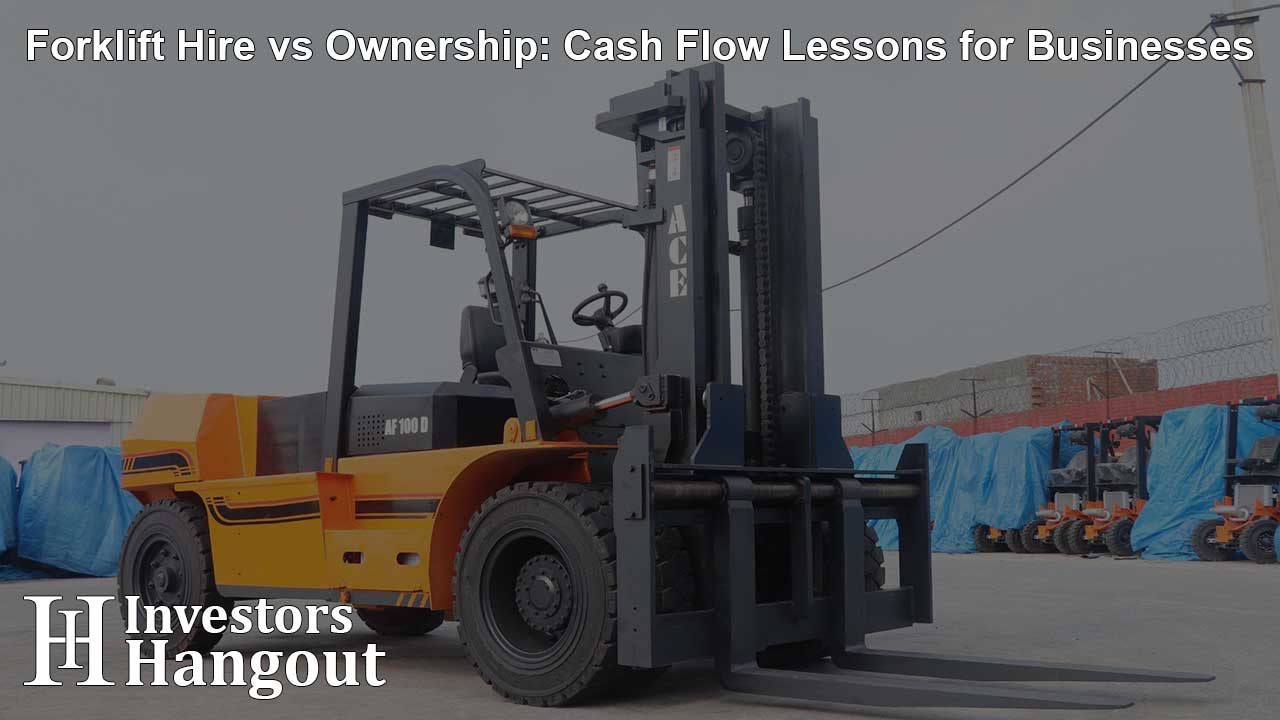
For a warehouse, a forklift is not a luxury. It is the machine that keeps stock moving, trucks turning around and customers getting their orders on time.
That is exactly why the decision to hire or buy one deserves more thought than it usually gets. Many business owners treat it as a simple equipment purchase. In reality, it is a cash flow decision that can shape a company’s finances for years.
Brisbane offers a useful case study. The city is a busy freight and distribution hub, and many small and mid-sized operators face the same question every time they expand. Should they tie up capital in their own fleet, or keep it flexible with hired machines?
The Australian Government’s business advice site frames the trade-off clearly. Leasing generally requires less cash upfront and keeps money from being tied up in a depreciating asset. Buying can save money over time and gives the owner full control, but the owner also pays for all repairs and maintenance unless they are covered by warranty or insurance.
That last point is where many cash flow plans quietly fall apart.
The tax side adds another layer. Under the ATO’s instant asset write-off rules, businesses with an aggregated turnover under $10 million can immediately deduct eligible assets that cost less than $20,000. A new forklift often costs more than that, which means it usually falls under general depreciation rules instead. Owners spread the deduction over the asset’s life rather than claiming it all at once.
Forklift Servicing and Repairs: The Cost Owners Underestimate
The purchase price is only the first expense. The real cost of ownership shows up over time, through servicing, repairs, parts and downtime.
A forklift that breaks down during a busy week does not just cost the repair bill. It can delay dispatch, stall receiving and leave staff standing idle. For a small operator with only a few machines, one breakdown can disrupt the whole operation.
This is why investors and business owners should treat maintenance as a core line item rather than an afterthought. Owners in South East Queensland typically rely on specialist providers for forklift repairs and planned maintenance. All Lift Forklifts, for example, offers forklift servicing Brisbane businesses can use for both hired and owned machinery, including fixed-price servicing, a 2-hour urgent response within a 2-hour radius and parts access within 48 hours for major brands.
From a cash flow perspective, a fixed-price servicing plan turns an unpredictable cost into a predictable one. That makes budgeting much easier, especially for businesses that run tight monthly margins.
Neglecting maintenance can also create compliance problems. During a targeted SafeWork NSW forklift safety campaign, inspectors carried out 669 inspections between May 2021 and July 2022. They found that 12% of sites were not maintaining forklifts in a safe condition. The same report recorded 1,538 forklift-related incidents in NSW from 2017 to 2022.
While that data comes from New South Wales, the lesson applies in Brisbane too. Poor maintenance is both a safety risk and a financial risk.
When Hiring Makes Financial Sense
Hiring tends to suit businesses whose needs change. A retailer that sees a seasonal peak, a construction supplier with project-based work or a startup that is still testing demand may all benefit from flexibility.
Hiring also keeps capital free for other priorities. Instead of spending a large sum on a machine, a business can direct that money toward inventory, staff or marketing, where it may generate a stronger return.
Another advantage is that maintenance responsibility often sits with the hire company. That reduces surprise repair bills and can include stand-in machines when something goes wrong.
The downside is long-term cost. Over several years, hire fees can add up to more than the cost of buying outright. Businesses also need to read their contracts carefully, because some agreements require payment for the full term even if the equipment is no longer needed.
When Ownership Pays Off
Ownership tends to work best for businesses with steady, predictable demand. A distribution center that runs forklifts every day for years can spread the purchase cost over a long working life.
Owners also gain flexibility in how they use the machine. They can fit attachments, choose their preferred servicing provider and sell the asset when it is no longer needed. Over time, a well-maintained forklift can deliver strong value.
The key words there are well maintained. Ownership only pays off if the business budgets properly for servicing, repairs and eventual replacement. Without that discipline, an owned fleet can become a slow drain on cash.
Compliance Responsibilities for Owners
Owning equipment also means owning the legal duty to keep it safe. In Queensland, WorkSafe Queensland guidance states that businesses must ensure lifting equipment is safe, properly maintained and inspected in line with manufacturer instructions, relevant standards and legislation.
The same guidance stresses pre-operational checks, removing defective equipment from service until repairs are completed and keeping inspection records up to date. These are not optional extras. They are part of the true cost of ownership, and they should appear in any financial model.
For businesses that hire, many of these responsibilities are shared with or handled by the hire provider. That can be a meaningful advantage for operators without in-house maintenance expertise.
Building a Simple Decision Framework
Rather than relying on gut feel, business owners can work through a few practical questions.
First, how many hours will the forklift run each week, and will that change over the next few years? Consistent, heavy use generally favors ownership. Irregular or seasonal use generally favors hiring.
Second, how strong is the business’s cash position? If capital is tight, preserving cash through hiring can reduce financial stress and keep options open.
Third, who will handle maintenance? If the business owns its fleet, it needs a reliable servicing arrangement and a realistic annual maintenance budget. If it hires, it should confirm exactly what the agreement covers.
Fourth, what does the tax position look like? An accountant can explain how depreciation, lease deductions and any available write-offs apply to the business’s specific situation.
Finally, what is the cost of downtime? If a single breakdown would halt operations, the business needs either backup machines, fast-response servicing or a hire arrangement that includes replacements.
The Brisbane Lesson
The core lesson from Brisbane’s busy logistics sector is simple. The cheapest forklift is not always the one with the lowest price tag. It is the one that keeps working, keeps cash flowing and avoids costly surprises.
For some businesses, that means hiring and keeping capital free. For others, it means owning a fleet backed by a disciplined servicing plan. Many end up with a mix of both, owning core machines and hiring extra capacity during peak periods.
In conclusion, the hire versus own decision should be treated as a cash flow strategy, not just an equipment purchase. Businesses that factor in servicing, compliance, downtime and tax from the start are far more likely to make a decision that supports long-term growth. As always, owners should seek independent financial and tax advice before committing to a major equipment investment.