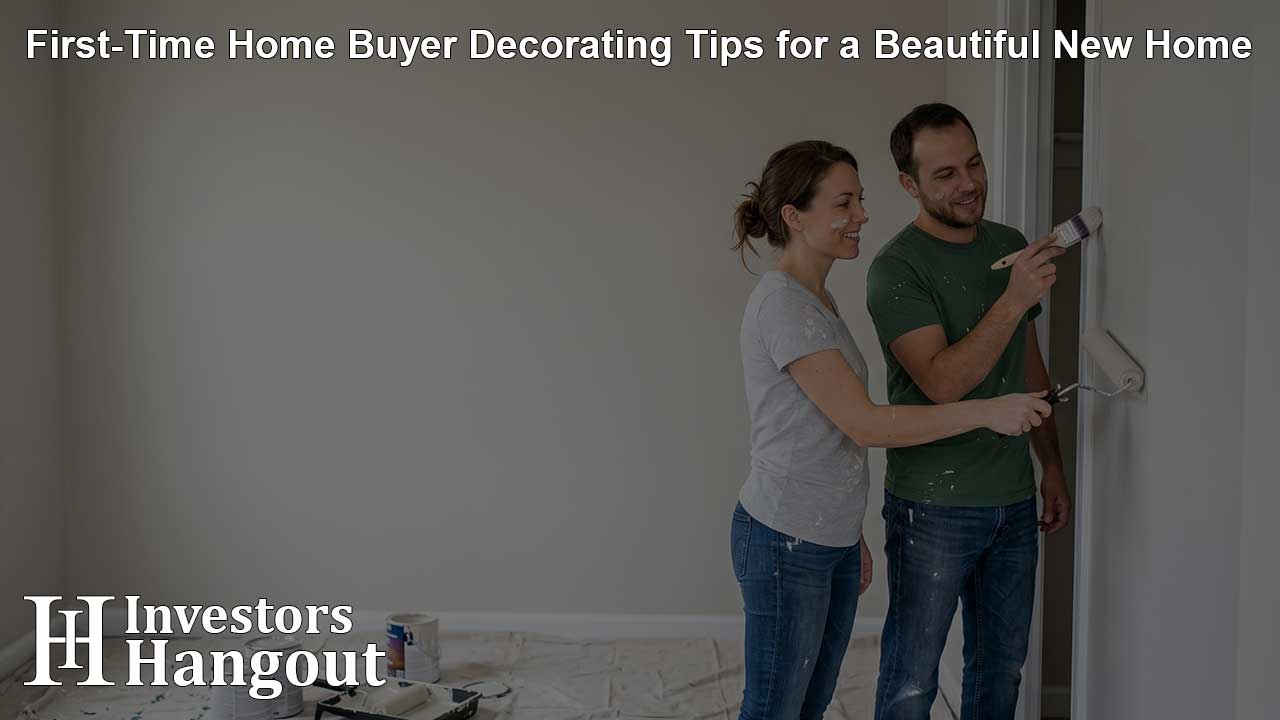
Valleymarket is one of the major steps to decorating your home. It may seem overwhelming because you have empty rooms, you are not very rich, and there are numerous styles of interior decoration available. First-time buyers want to decorate all the rooms instantly, and this results in impulsive purchases of inappropriate pieces of furniture that lead to disappointment.
The process of interior design is not about imitating photos of interiors. Good interior design, like Valleymarket, presupposes knowledge of your living habits and arranging your space according to them. When you arrange your home taking into account the usage of the rooms, choosing appropriate basic furniture and thinking about future changes, you will be able to create an atmosphere that will express your personality. You can do all this without wasting much of your money instantly after purchasing your house. When you choose Palmer Alaska homes for sale, you can always find houses with beautiful open floor plans. There is a lot of natural light in the room, and it gives you many options for design. However, transforming photos into a real interior requires certain planning.
1. Live in the Space Before Making Major Purchases
It is not advisable to purchase a whole suite of furniture before moving in. It is best if you can reside in your new place for about 30 to 60 days. It will help you identify the way you and your family move about, your daily activities, and your potential issues. After some time, you will notice how light gets into the rooms and which door or hallway becomes messy and which is your favorite spot for relaxation.
2. Measure Twice, Settle on Scale First
By far the most frequent error that people commit while purchasing for the first time is neglecting size. A huge sofa that might suit in a well-lit showroom can appear too bulky in a small living room.
-
Walkways: Ensure that there is a walkway that is 30-36 inches wide for the major walkways.
-
Coffee Tables: Maintain at least 14-18 inches of clearance from the coffee table to your sofa.
-
Area rugs: Position the front legs of the big chairs/sofa onto the area rug.
3. Prioritize Your "Anchor" Investments
-
Sofa: Select a strong structure along with durable fabrics, including Crypton or upholstery fabric that can stand up to abuse.
-
Mattress: Have a good night's sleep at night with the right choice of a mattress before caring about the appearance of your room.
-
Primary Lighting: Replace plain ceiling lights with those giving you layers of light.
4. Layer Your Lighting Plan
Overhead ceiling lights, which some people call "builder-grade flush mounts," can make shadows that are harsh and flat. You can make a space feel warm and rich by setting up three layers of lights to create a nice look:
|
Lighting Type |
Function |
Examples |
|
Ambient |
Overall room illumination |
Dimmable ceiling fixtures, recessed lights |
|
Task |
Focused lighting for specific activities |
Reading floor lamps, under-cabinet kitchen LEDs |
|
Accent |
Adds warmth, highlights architectural features |
Table lamps, wall sconces, picture lights |
5. Master Paint Sample Testing
-
Do not choose wall colors based on small paper swatches under artificial lighting in stores. Wall color perception varies greatly depending on the direction that sunlight enters your room.
-
North Facing Rooms: These rooms receive blue-cool light. Warm undertones in your paint will work well.
-
South Facing Rooms: Plenty of warm and strong daylight enters these rooms. Grey or cool tones are recommended for such rooms.
6. Honor the Architectural Style
Stick to what you already have at your disposal instead of making any abrupt modifications. Modern or minimalistic furniture does not go well with traditional homes; however, antique furniture may be too bulky for a modern condo. Choose the wood shade and hardware that complement the trimmings, floors, and windows.
7. Avoid Single-Source Decorating
Furnishing your whole home from just one showroom or big store can make it look plain and like any other. To get a warm, one-of-a-kind feel, try using things from different places:
-
Vintage & Antiques: Add a feel of history and solid wood build.
-
High-End Anchor Pieces: Give comfort and will last for seating.
-
Budget Accessories: Let you change textiles, pillows, and small items without much risk.
8. Plan for Window Treatment Functionality
Uncovered windows give an unfinished feel to the room that is also exposed to outside eyes. Apart from privacy issues, curtains serve another important purpose - they regulate the temperature of the room and protect your floors from getting harmed by direct sunlight. Hang your rods near the ceiling, but do not hang them immediately above the windows. You should extend the rods by 8-12 inches from the sides of your window frames.
9. Build a Cohesive Color Palette Across Rooms
In order to avoid an appearance of isolation, you have to begin with the selection of one color scheme for the entire house. Choose 3-5 colors that go well with each other. Apply the lighter color uniformly to areas that are connected within your house, such as the hallway and foyer. Use your brighter and accent colors in rooms with doors or furniture.
10. Decorate for Your Current Lifestyle, Not an Idealized One
Select materials according to your lifestyle. If you have pets and kids, select materials that are stain-resistant, strong, and enhance their beauty with time, like leather and wooden materials. This way, you will save yourself the hassle of selecting fragile materials.
Final Thoughts
Home decoration is not an easy task. It cannot be done in a weekend. There is a need to consider how to organize the rooms in such a way that they function effectively. Consider Valleymarket for buying durable things. Buy items which have stories or reflect your personality. This way, the home will be comfortable rather than being hastily decorated. The tips are useful for anyone who wants to move to a city loft or even consider Palmer Alaska homes for sale. The simple things mentioned above make the new home look beautiful and comfortable, whether you are decorating for yourself or preparing a real estate property for the market.