Safety regulations are written on paper, but their real value depends on what happens on the road. A required inspection means little if a serious mechanical problem goes unnoticed. Driving limits offer protection only if drivers follow them. Federal trucking rules address these and other risks, yet violations may still occur during daily operations.
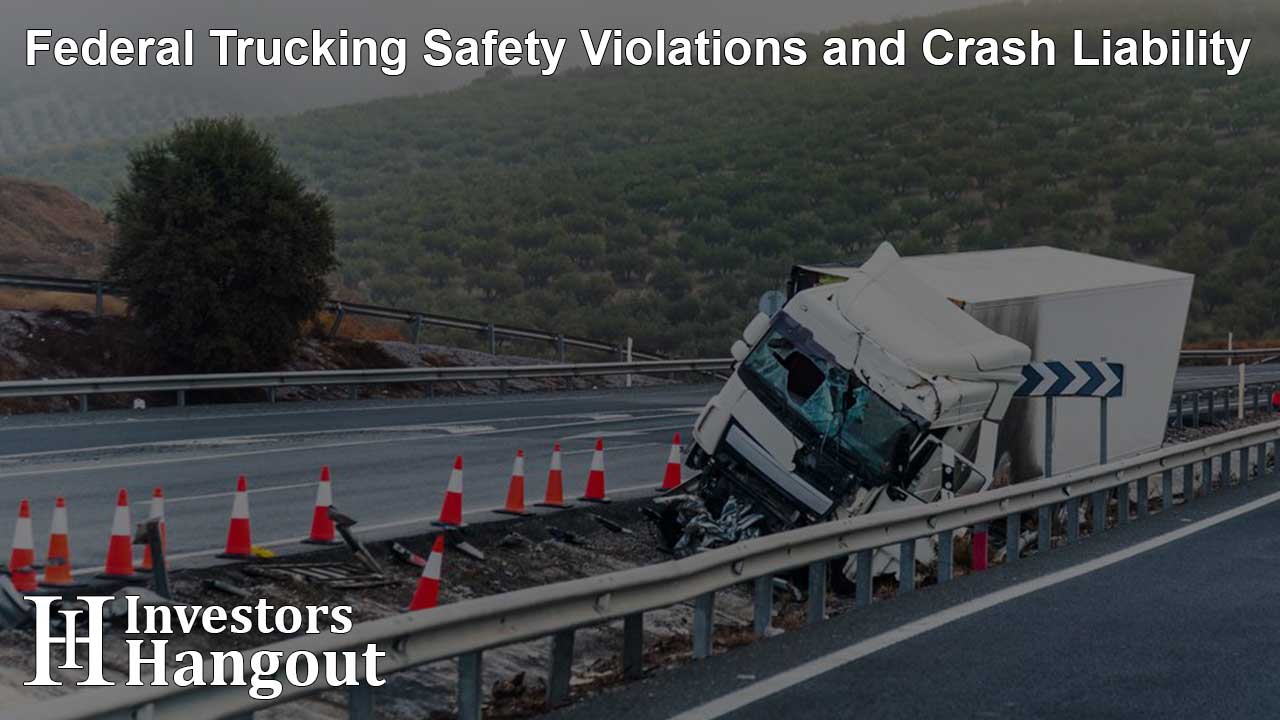
Following commercial truck crashes, investigators may examine whether those violations contributed to the accident. A safety violation can raise important questions about responsibility, but it does not automatically decide a claim. The difference often comes down to evidence showing how the broken requirement relates to the collision.
What Federal Safety Rules Apply to Trucks?
Commercial trucking involves responsibilities that extend beyond traffic laws. The Federal Motor Carrier Safety Administration, known as the FMCSA, sets safety standards for many commercial vehicles operating across state lines. Depending on the operation, different rules and exceptions may apply.
These standards address how long drivers may work, whether vehicles are safe to operate, and how loads must be secured. They also cover driver qualifications and certain records that trucking businesses must maintain. A company may have rules on paper, but the records and practices can show whether those rules were followed. The purpose is to reduce avoidable risks before entering traffic.
Which Violations May Matter After a Collision?
Driving Beyond Allowed Hours
Driving for too long can raise questions about fatigue and attention. Federal hours of service rules limit driving time and require breaks for many drivers. Electronic logs may show whether a driver followed the limits. However, an hours violation does not, by itself, establish that tiredness caused an accident.
Skipped Inspections or Repairs
Large trucks need working brakes, tires, lights, and steering systems. Maintenance records may reveal whether a known problem was reported, repaired, or ignored. A faulty brake found after a crash deserves examination, but its connection to the collision still needs support from facts.
Driver and Cargo Problems
Driver qualifications and cargo security can matter too. Poorly secured freight may shift, while missing qualifications may raise questions about a company's checks. The importance of either issue depends on what happened during the crash.
How Can a Violation Affect Responsibility?
A federal violation may be evidence that a driver or company failed to meet a safety requirement. That is different from proving legal responsibility for every resulting injury. A claim generally involves questions about what duty applied, whether it was breached, and whether the conduct contributed to the harm. State law can affect how those questions are answered.
Consider a truck with a brake problem reported before a trip. If the company ignored the report and the brakes failed during a collision, maintenance records could become significant. If the brakes worked properly and another event caused the collision, the earlier problem may carry less weight. The evidence must connect the alleged failure to the accident.
What Records Can Reveal Safety Problems?
Truck accident cases may involve more records than a car crash. Each kind of record answers a different question:
-
Electronic driving logs: Show recorded work and driving periods.
-
Inspection reports: Identify vehicle defects noted before or after trips.
-
Repair records: Describe maintenance performed and unresolved problems.
-
Driver files: Contain information about qualifications and checks.
-
Cargo records: May explain loading arrangements and who handled the freight.
Records can support one account or challenge another. They may also be incomplete or inconsistent. An absence of paperwork does not automatically prove a crash cause, just as a completed inspection form does not guarantee that a vehicle was free of problems.
Can Safety Violations Change Compensation?
A proven safety failure may influence how responsibility is assessed, but it does not create a fixed payment. Compensation turns on supported losses, including medical costs, missed earnings, and other effects of an injury. Insurance coverage and state rules may also shape the result.
Some jurisdictions allow additional damages for particularly serious misconduct under specific conditions. These awards are not automatic simply because a federal rule was broken. The nature of the conduct and the evidence behind it matter. A violation may strengthen part of a claim without changing every issue in dispute.
Why the Connection to the Crash Matters
Federal trucking rules are meant to make roads safer, but a claim still depends on what the evidence proves. Records about driving time, repairs, and cargo can help explain commercial truck crashes and whether a safety failure contributed to them. Neither the size of the truck nor the existence of a violation settles responsibility alone. A careful assessment looks at the rule, the conduct, the collision, and documented losses together. That connection gives safety records their real meaning in a crash case.