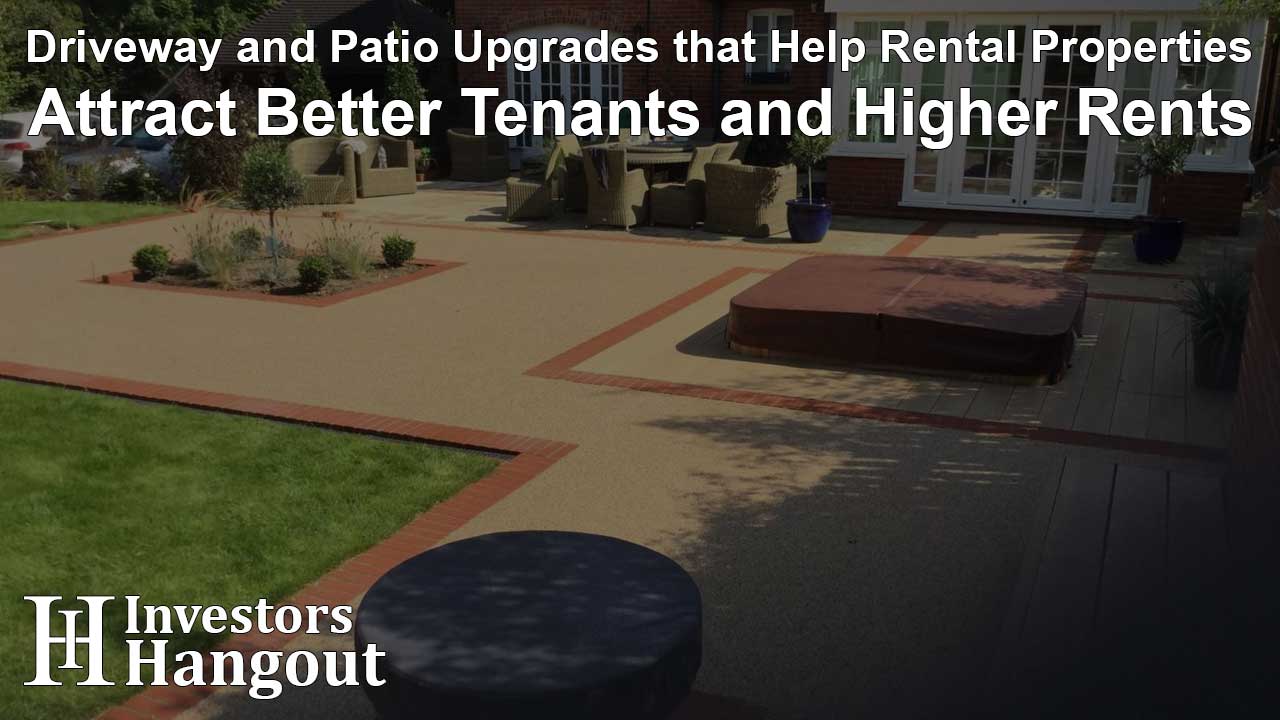
Every capital upgrade must address the question of whether it is profitable for the owner of a rental property. The driveway and patio, the two main external surfaces on the majority of single-family and small multifamily rentals, are discreetly among the highest-leverage improvements that an owner can do, but interior finishes receive the most attention.
They make a positive first impression in listing images, are features that tenants will pay more for, and reduce the owner's long-term cost of ownership when constructed of sturdy concrete. This is how improvements to the driveway and patio draw in better renters, encourage greater rent, and increase the value of the property over time.
Improved Photos, More Applicants, & Better Tenants
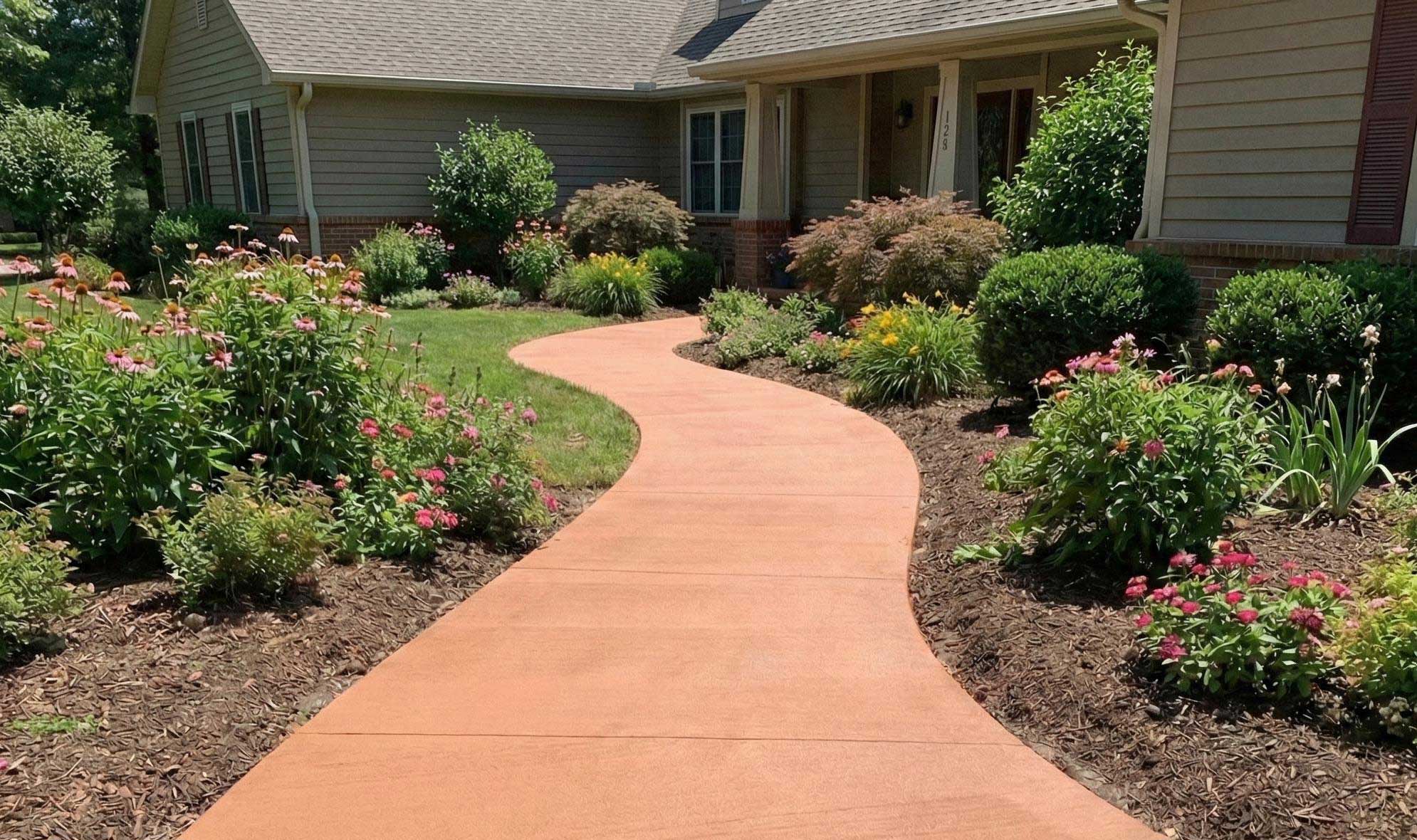
Leasing is a funnel, and it starts with listing photos. A clean, finished driveway and a usable patio photograph well, which widens the pool of people who inquire and apply. A larger applicant pool is what allows an owner to be selective, screening for stronger credit, verifiable income, and solid rental references rather than taking the first applicant who shows up.
Presentation also signals standards: a property that clearly has been maintained on the outside attracts tenants who tend to treat it the same way. Just as important, a property that shows well rents faster, and vacancy is the single largest hidden cost most landlords carry. An exterior that promptly ends the lease safeguards the entire year's return because every week a unit remains vacant is rent that never comes back.
Amenities Renters Pay For
Many renters usually prefer paying for parking and outdoor spaces. According to the National Multifamily Housing Council (NMHC) and Grace Hill Renter Preferences Survey – a nationwide poll conducted on over 170,000 tenants - they consistently identify parking and private outdoor space among the home features renters are willing to pay extra for. They also value off-street parking.
Bundled garage parking solely carried a rent premium of nearly 17%, approximately $1,700 annually, according to a national study utilizing data from the American Housing Survey (Gabbe and Pierce). Although an open driveway spot is less expensive than an enclosed garage, it still eliminates the daily inconvenience of street parking, which is precisely the main reason that justifies a higher price. After 2020, demand for private patios and outdoor spaces has increased due to the remote work culture. Many renters like to have a usable outdoor living space at home. Adding or upgrading off-street parking and a functional patio speaks for a single-family or small multifamily rental and speaks directly to what tenants are already willing to pay more for.
Why an Increase in Rent Is Worth More Than It Looks
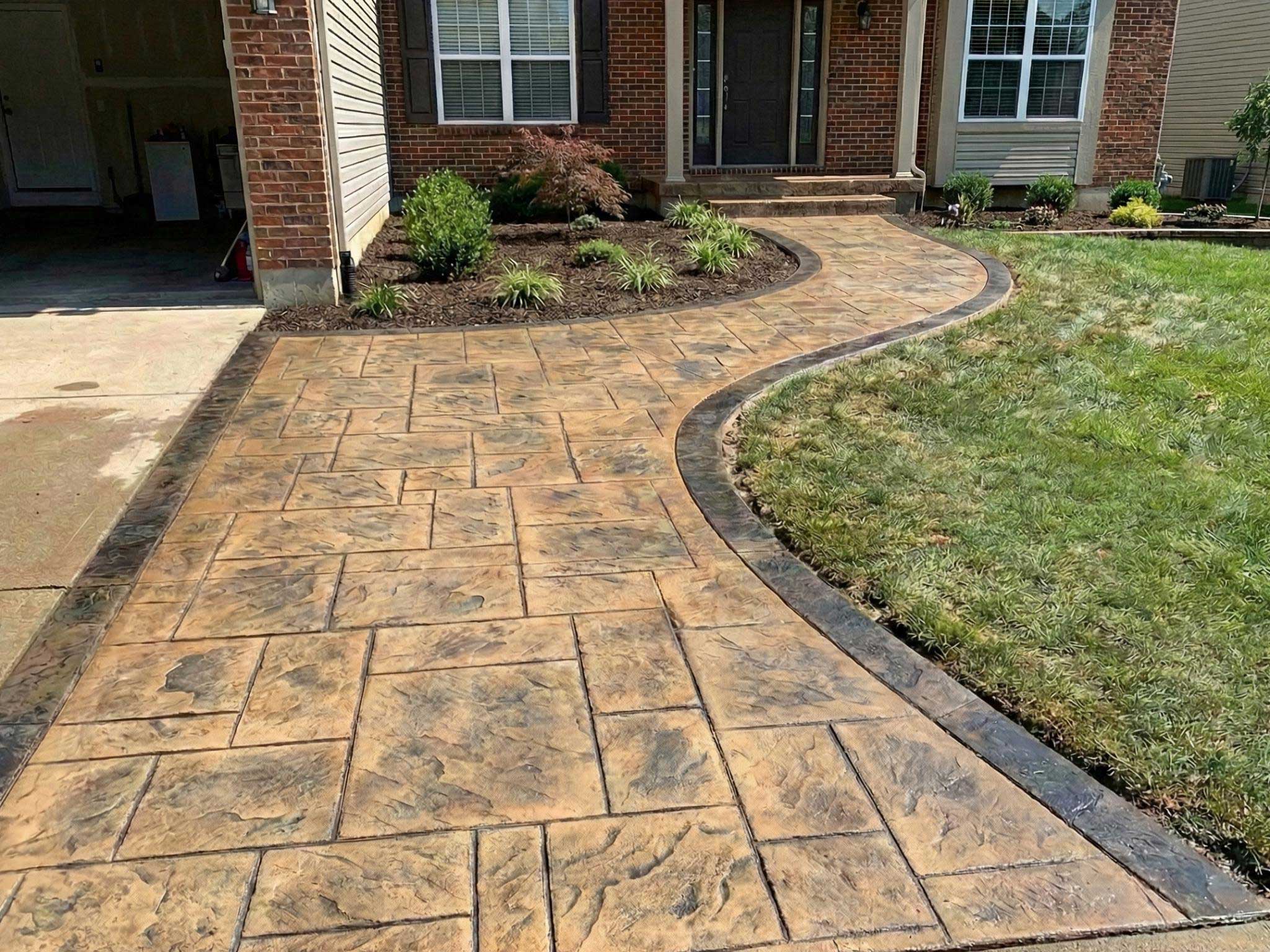
This is the most important part, and owners should not skip it. A rental property's value is driven by its net operating income and the market capitalization rate, expressed simply as value equals net operating income divided by cap rate. This means a rent increase is not just monthly cash. It is permanent income that capitalizes into equity.
For example, a patio and parking upgrade that supports an extra $50 a month adds $600 a year in net operating income, and at a 6% cap rate, that lifts the property's value by approximately $10,000. A larger premium scales the same way. An exterior upgrade that nudges rent even slightly can return several times its cost in cash flow and equity combined, which is a very different calculation than a homeowner's simple resale payback.
Concrete Lowers the Owner's Cost of Ownership
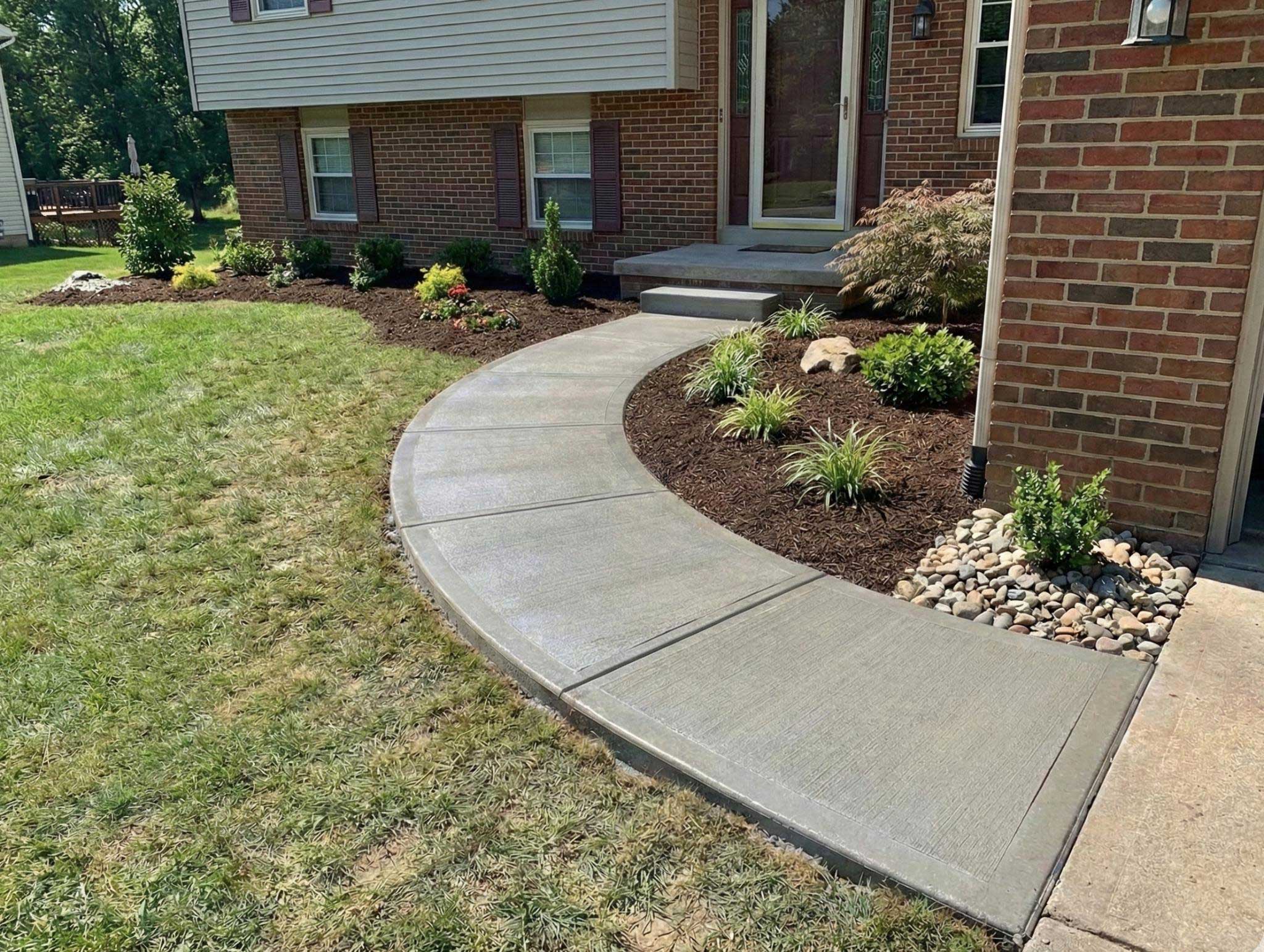
What you use to build matters as much as what is being built, because in a rental the owner carries the maintenance, not the tenant. Concrete earns its place here on durability and low upkeep. A properly installed concrete driveway or patio lasts for decades with minimal attention, which makes it a one-time capital expense rather than a recurring repair line that erodes net operating income.
Tenants usually neglect outdoor spaces that require work. Wood decking that needs staining or gravel that needs to be leveled is solely the owner’s problem. Concrete just doesn't ask for that; there is a liability dimension involved too. A smooth, sound, well-drained slab silently reduces the owner's exposure to injury claims. It also reduces trip-and-fall hazards, such as cracked, heaved, or uneven surfaces.
Building for the Front Range Rental Market
Colorado Springs is a deep rental market, supported by a large military presence, steady population growth, and student demand around the local universities, and off-street parking carries extra weight in a climate where tenants are clearing snow and avoiding the street all winter. This same climate is unforgiving to cheap work.
Aggressive freeze-thaw cycles and the region's expansive clay soils will crack and heave a slab that was poured thin, without air entrainment, or on an uncompacted base, turning your improvement into a recurring complaint and a repair bill. Building to last means a 4,000 PSI or stronger air-entrained mix, a compacted base, proper drainage, and correct joint spacing, so the upgrade stays an asset across many tenancies instead of becoming a liability after a few winters.
Driveway and patio upgrades hit a rare trifecta for rental owners: they pull more and better-qualified applicants, support higher rent that capitalizes on property value, and lower maintenance and liability over time. The entire return, though, depends on the work being built right, because a surface that fails in three winters erases every gain. For rental hardscape engineered to last through both the leasing cycle and the Front Range climate, hire a licensed Creststone Colorado Springs Concrete contractor who builds for the long haul.