
About a third of cryptocurrency investors have reportedly cut their daily spending due to digital asset losses. Research demonstrates that people who lose money in crypto experience more than temporary discomfort, highlighting a concrete link between crypto markets and the real world.
The market decline, which has persisted for some time, is the main reason behind this change. The Bitcoin price and those of other major assets have shown some stability, but their current values remain far below previous peaks, making the recovery stage potentially fragile.
According to analysis from different platforms, the 2025–2026 market cycle has been defined by three main characteristics: uncertainty, reduced liquidity, and fading speculative enthusiasm that once drove the hype.
The current situation is partially due to the macroeconomic environment, as higher interest rates and tighter financial conditions have reduced capital flows into high-risk assets such as cryptocurrencies.
Also, the liquidation of leveraged positions has contributed to price decreases and market fluctuations. These dynamics continue to fuel instability, a trend reflected in the decline of crypto-related stocks such as Strategy over the past few months.
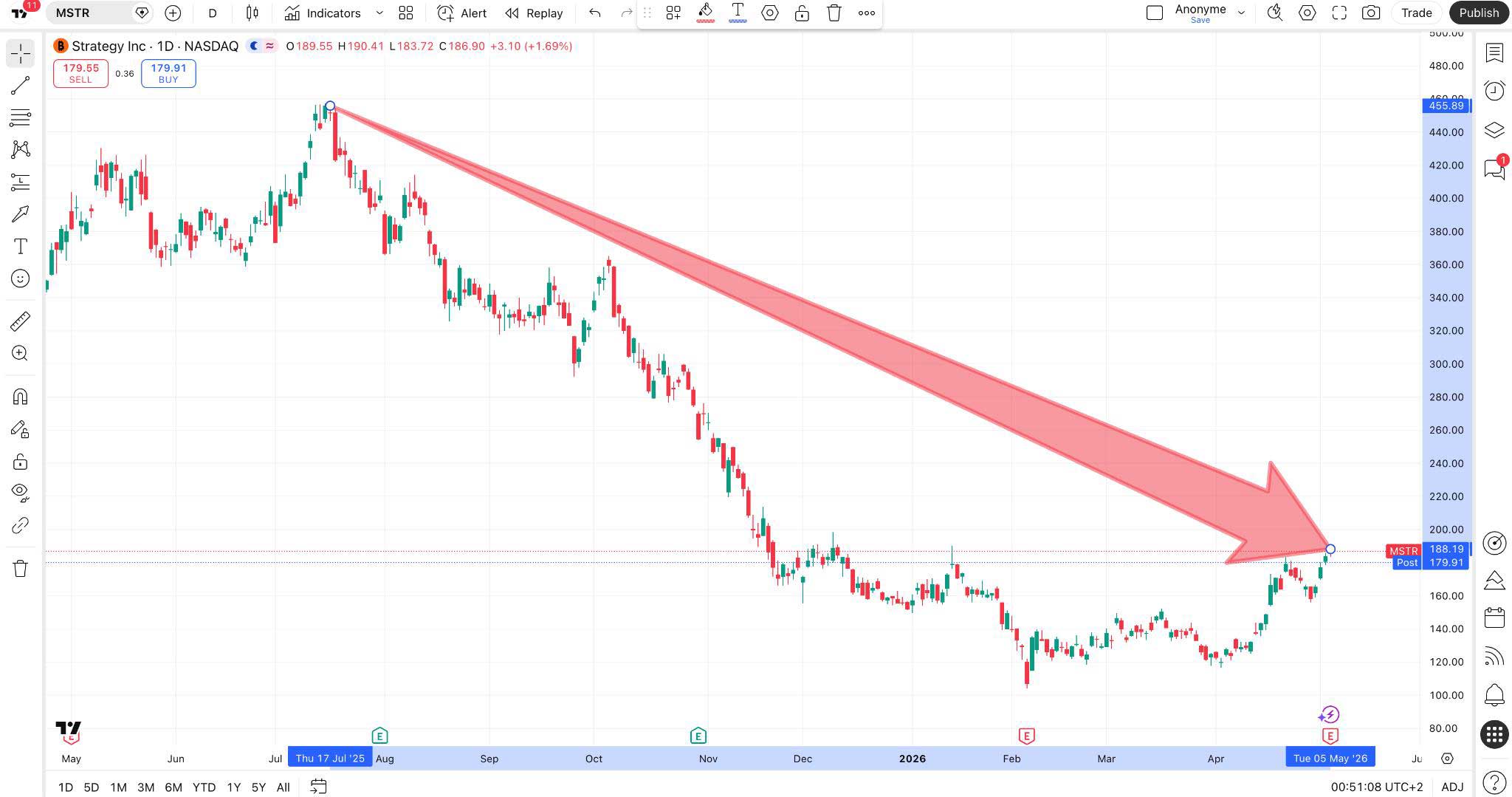
The primary effect of this situation is visible in investor behavior. People usually reduce spending when they perceive themselves as less wealthy, and financial choices are even affected by unrealized losses from declining assets that haven’t yet been sold.
This phenomenon is explained by a known bias identified as the disposition effect, when investors tend to hold losing positions longer than rational analysis would support. This behavior locks capital in underperforming assets and exacerbates financial pressure.
Academic research further indicates that many retail traders entered the cryptocurrency market through high-risk strategies, including excessive leverage and poor diversification. During bullish phases, that approach can generate significant returns, sometimes outpacing even the top stock gainers in traditional equity markets. But during downturns, it exposes investors to rapid and substantial losses, increasing the financial strain that we can see now.
Paradoxically, while retail investors are under pressure, the broader crypto ecosystem is undergoing structural strengthening. TRM Labs reports show that many countries around the world are developing regulations focused specifically on stablecoins.
At the same time, institutional participation continues to grow, signaling increased confidence from traditional financial actors. Major platforms like Binance have also emphasized the sector’s transition toward a more mature and regulated environment.
The crypto market is currently being pressured by two opposing forces that are driving retail investors away while institutional investors continue to enter. The speculative phase that once defined the industry is giving way to a more structured ecosystem, where growth may be slower but potentially more sustainable.
The ongoing market downturn may therefore represent more than a temporary market decline. It could mark a gradual transformation in how cryptocurrency markets operate and how they interact with both individual finances and the global financial system. Investors are adjusting their behavior in response to losses, while the industry itself is laying the groundwork for long-term stability.